



Behind the Sheen & Sheer: Satin and Chiffon Explained
When people shop for formal or occasion wear, two fabrics come up more than any other: satin and chiffon. Both behave differently in terms of weight, surface, transparency, drape, and care, and are used in flowing dresses. Understanding the difference between satin and chiffon allows you to pick the right fabric for your dresses.
Satin vs. Chiffon at a Glance
|
Feature |
Satin |
Chiffon |
|
Surface |
Smooth with gloss |
A slightly textured surface |
|
Weight |
It has more body |
It's airy and lightweight |
|
Transparency |
Translucent to solid |
Sheer or translucent |
|
Drape |
Flowy with weight |
Light and flowing |
|
Breathability |
Depends on fiber; if cotton, it's more breathable |
It's airy because of its lightweight structure |
|
Common uses |
Eveningwear, gowns, formals |
Dresses, sleeves, warm-weather formal wear, overlays |
What Is the Difference Between Satin and Chiffon?
The key difference between chiffon and satin is in the manufacturing. Satin is a weave structure with longer yarn floats that create a smooth surface fabric. Whereas chiffon is made with a plain weave and highly twisted yarns
Composition and characteristics differences matter. Characteristics affect softness, breathability, durability, and care. Composition affects the surface, weight, transparency, and movement
Fabric Composition and Weaving
In chiffon vs. satin, only surface and feel aren't considered. The composition of fabric is as important.
In Satin:
-
Silk satin feels softer and responds more to temperature than polyester satin.
-
Polyester satin is easier to maintain and resistant to wrinkles
-
The long yarn floats create its characteristic sheen
In Chiffon:
-
Silk chiffon has a different feel than polyester chiffon when you touch it.
-
It differs in care requirements from polyester chiffon
-
The plain weave construction and twisted yarns contribute to an airy and semi-opaque look
Visual and Tactile Characteristics
Satin is slippery when you handle it, and also very smooth to touch. Its surface reflects light, giving a polished look to garments.
However, chiffon feels more delicate and is lighter than satin. It has a subtle texture rather than satin's smooth surface and is translucent and sheer. In light, chiffon reveals its transparency more clearly.
How Satin and Chiffon Drape on the Body
Drape is a feature that allows you to check satin vs chiffon only by looking at both.
Satin drapes differently:
-
With more body, satin tends to form smooth, rounded folds and can create a defined silhouette.
-
Lightweight satin can have a fluid drape as well.
-
Heavier satin holds shape, while lighter versions fall softly around the body.
Chiffon has a flowy drape:
-
It has less body and moves more freely.
-
It creates fine ripples and a floating effect when used in layers or loose garments in soft folds.
If you want a clean, polished silhouette, this is what satin will deliver, and if you need a floatier look with movement, it fits chiffon better.
How Satin and Chiffon Behave in Garment Construction
Both behave differently when used for dressmaking.
Satin is a smooth, elegant fabric that produces beautiful results. It responds well to precise cutting and careful stitching. Using a sharp needle helps you achieve clean, neat seams that make your finished dress look professional and polished.
Chiffon is a lightweight, graceful fabric that adds a lovely flow to any dress. Adding a lining underneath gives it great structure and a comfortable feel. With the right edge finishing and seaming techniques, chiffon comes together beautifully and creates stunning results.
Satin vs. Chiffon for Different Seasons and Occasions
The difference between satin and chiffon for different seasons and occasions depends on the setting as much as the look.
For warm-weather clothing, chiffon is a better choice because its lightweight construction can feel cooler and airier.
It is also well suited for outdoor occasions, flowing skirts, sleeves, overlays, and layered dresses.
For information on a variety of fabrics used in warm-weather bridal-party clothing, read Best Bridesmaid Dress Fabrics for Summer & Hot Weather.
Next is satin, which is associated with eveningwear and formal garments. It has a smooth surface and reflects artificial and low evening light. It can give gowns and dresses a more defined, polished appearance. Also, heavier satin can provide more body for structured silhouettes.
For both fabrics, there are variations in fiber content, and the polyester versions are dominant in commercial fashion, according to Grand Review Research on the global polyester fiber market.
Satin vs. Chiffon: Care and Maintenance
Caring for chiffon and satin depends on the fiber as well as the fabric construction.
The garment's care label should always come first. This is because, according to the FTC care labelling rule, manufacturers are legally required to attach accurate care instructions on the care label of the garments.
Satin care by fiber:
-
Silk satin requires more care, as some can show watermarks when exposed to moisture
-
Satin surface is heat sensitive,e so ironing should be done carefully
Chiffon care by fiber:
-
Polyester chiffon garments can be easier to maintain and more wrinkle-resistant
-
Silk chiffon requires more delicate care.
How to Tell Satin and Chiffon Apart in a Product Photo
It's difficult to differentiate chiffon and satin in photographs, but some clues can help.
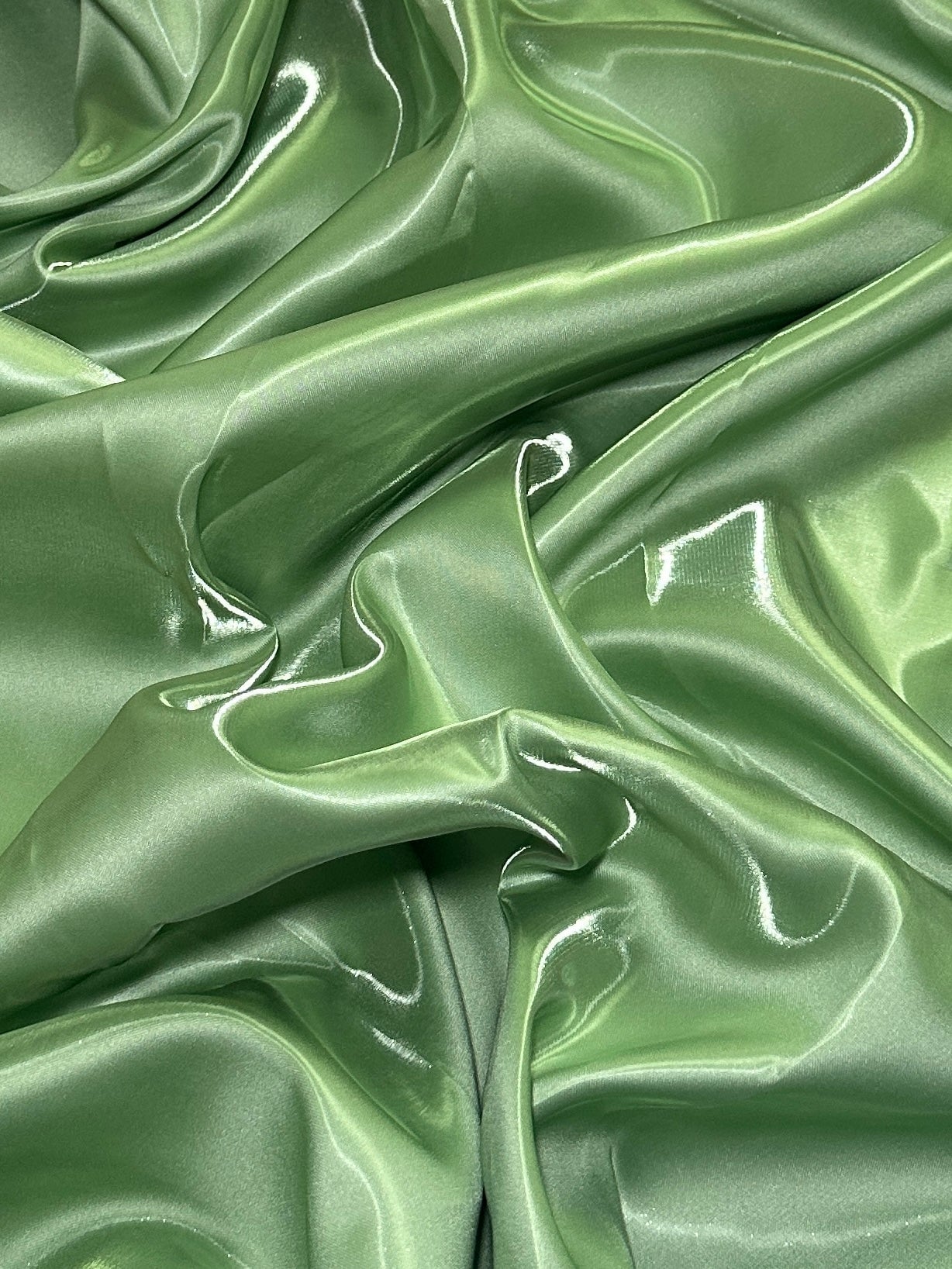
Shine: Satin gives defined highlights; its smooth surface reflects light. While chiffon tends to scatter light more softly in the picture.
Transparency: Chiffon is sheer or translucent. When an image shows a lining or a visible silhouette beneath the fabric, it can be chiffon.
Folds: If the photo shows smoother and heavier-looking folds, it may be satin. Chiffon creates finer ripples and irregular movement.
Surface: Satin appears polished in pictures, while chiffon usually looks softly matte.
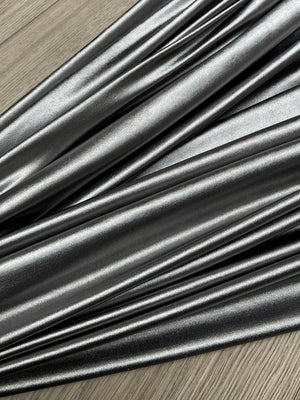
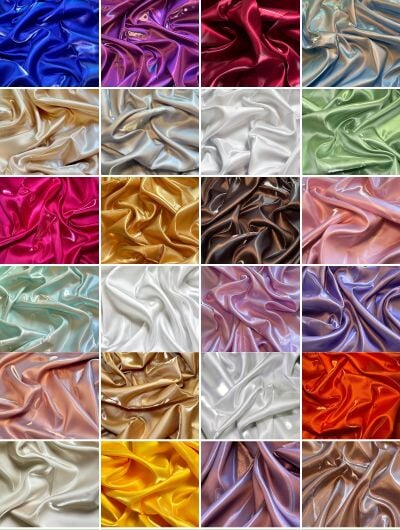
Remember that lighting, camera exposure, and editing can change these details. Always look for the product description or fiber-content label as a more reliable source than a photograph alone. For a visual reference, see Liquid Satin and Liquid Chiffon.
How Satin and Chiffon Photograph Differently
The difference is not about one fabric photographing better than the other. Aspects such as lighting, exposure, garment color, and movement all affect the final image.
-
Satin reflects sharp highlights while chiffon diffuses light into a soft matte.
-
Satin forms structural columns while chiffon creates floating ripples.
-
Satin remains completely solid while chiffon reveals underlying layers.
-
Satin creates polished shapes while chiffon blurs into translucent layers.
Can Satin and Chiffon Be Combined in One Dress?
They can be combined and create a contrast between smoothness, transparency, weight, and movement.
Chiffon can be used for sleeves, overlays, panels, or flowing layers over a satin bodice or base. Fabric weight also changes the effects. When lightweight satin is paired with a delicate chiffon, it will look different from a heavier satin combined with multiple chiffon layers.
Satin vs. Chiffon: Which Fabric Is Right for You?
Choosing chiffon v. satin depends on what you need the garment to behave like.
-
You can consider satin when the dress you are making requires a polished surface, stronger sheen, and a formal look.
-
Choose chiffon for dresses that require lightness, transparency, movement, and an airy look.
The fiber content should also be considered. Silk, polyester, acetate, and other fibers can change the feel, care requirements, breathability, and performance of either fabric.
In some designs, using both fabrics provides the most useful combination of structure and movement.
FAQ
Which fabric is more breathable, satin or chiffon?
Chiffon often feels more breathable because it is lightweight, but actual breathability depends on the fiber, yarn density, fabric construction, and garment design.
Can satin and chiffon be combined in one dress?
Yes. Satin can provide a smooth, more defined base, while chiffon can add transparency, softness, and movement through sleeves, overlays, or panels.
Which fabric photographs better for evening events?
Satin tends to create stronger highlights and visible sheen under artificial or flash lighting. Chiffon usually produces a softer, more diffuse appearance. The better option depends on the lighting and the visual effect desired.
How do the draping qualities of satin and chiffon compare?
Satin generally creates smoother folds and has more body. Chiffon is lighter and moves more freely, producing softer ripples and a floating effect.
When should I choose satin over chiffon for an outfit?
Satin tends to be more suitable when opacity, surface sheen, body, and a polished silhouette are important. Chiffon is generally better suited to designs that rely on lightness and movement.
How do you tell satin and chiffon apart in a product photo?
Look for surface reflection and transparency. Satin usually has stronger highlights and a smoother appearance, while chiffon is often sheer, lighter-looking, and less reflective.
How do they drape and photograph differently?
Satin tends to create smoother, heavier-looking folds and stronger highlights. Chiffon creates lighter movement and diffuses light more softly.




Leave a comment