


Need Help Choosing?
- For the main gown: satin, mikado, crepe, duchess satin, organza
- For softness and movement: chiffon, soft tulle, lightweight satin, velvet
- For volume and shape: tulle, organza, netting
- For texture and romance: lace, embroidered lace, beaded lace
- For overlays and sleeves: lace, tulle, chiffon
- For shine and a polished look: satin, charmeuse
- For structure and cleaner silhouettes: mikado, crepe, duchess satin
- For decorative detail: appliqué, lace, beaded fabrics, embroidered fabrics
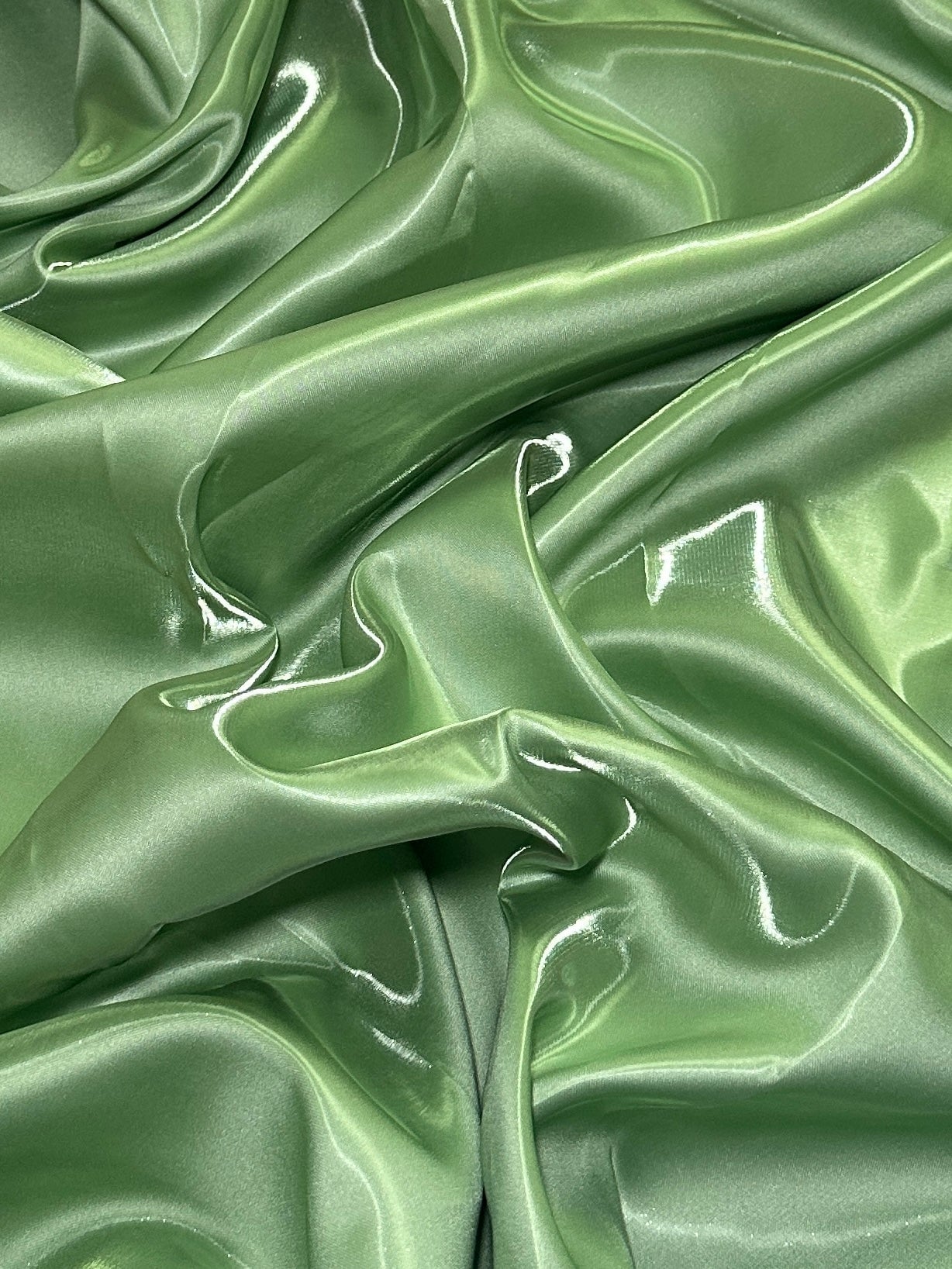
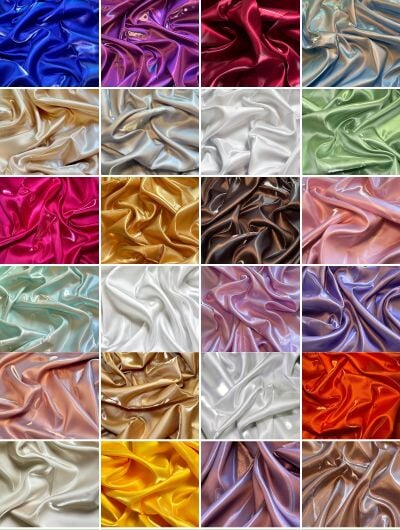
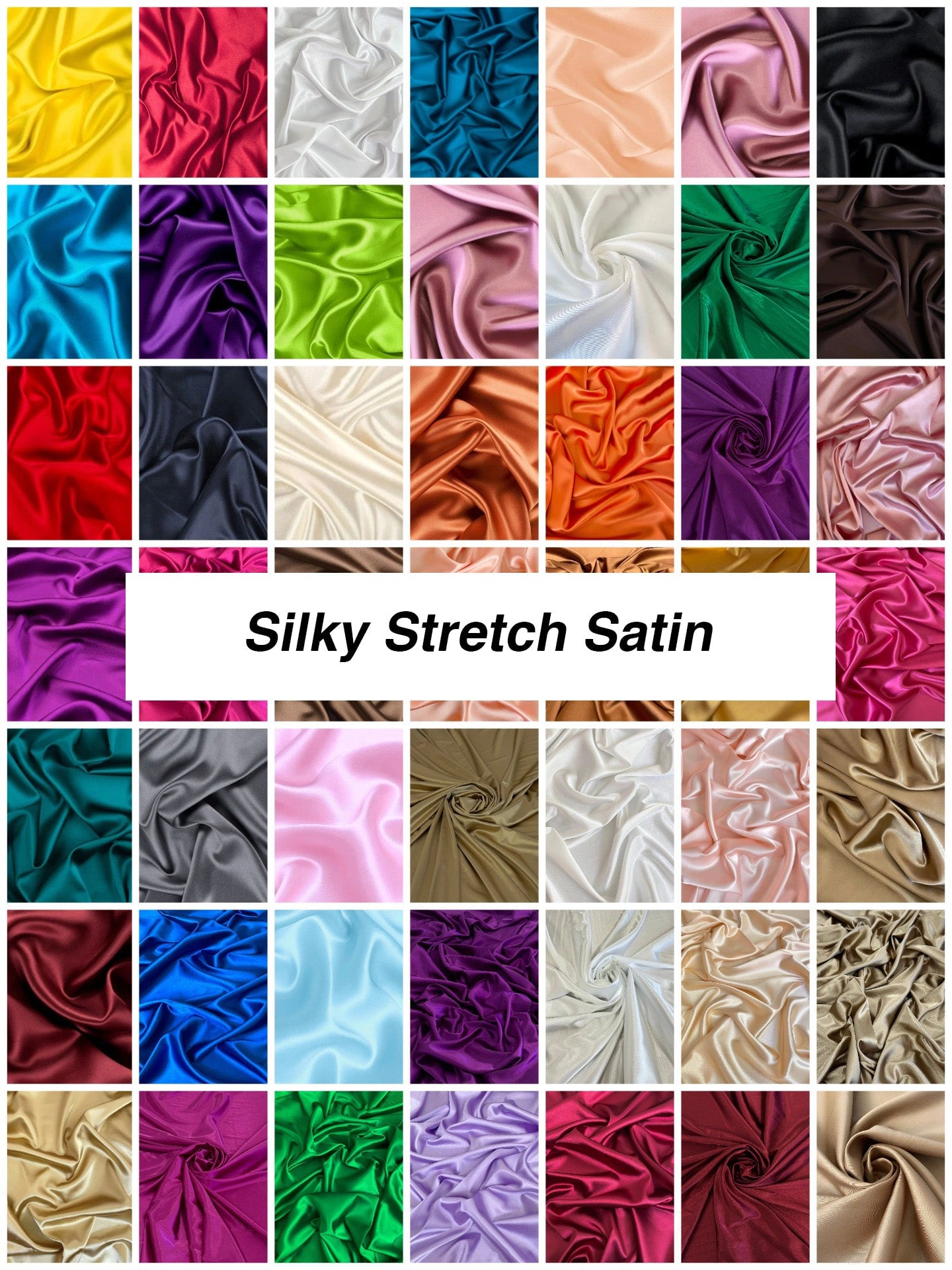
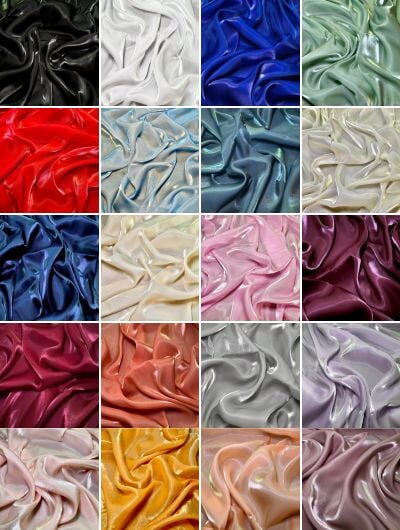
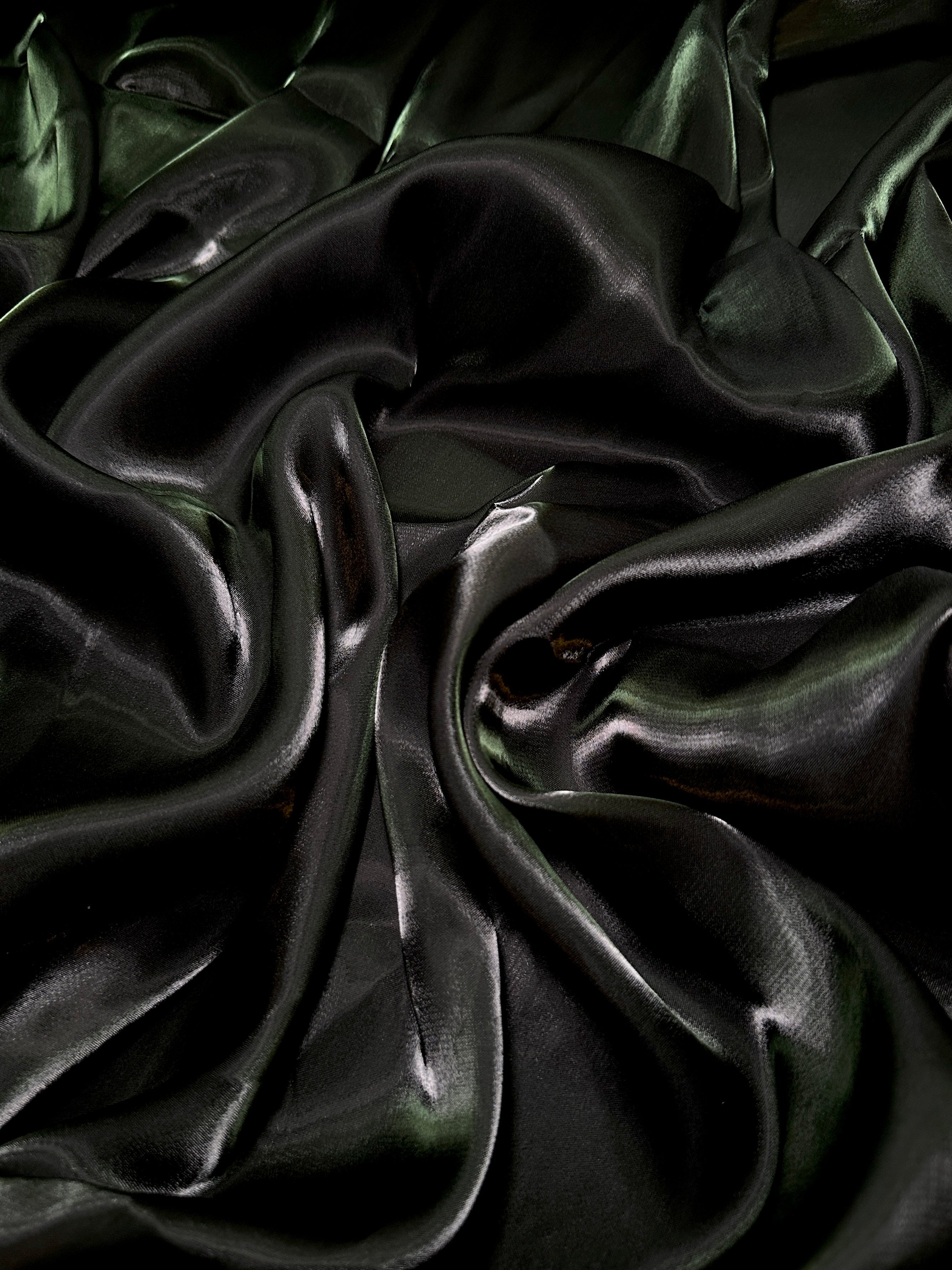
Satin
Usually used as a main gown fabric when you want shine, elegance, and a smoother bridal finish. Often chosen as main layer before adding a lace, also as slip dresses, draped gowns, classic silhouettes.
Mikado
Usually used when the gown needs structure and shape. A strong choice for fuller skirts, clean modern gowns, corset dresses, and silhouettes that need to hold their form better.
Crepe
Usually used for sleek and modern dresses. Works well for fitted silhouettes, cleaner lines, and gowns that need a refined look without the added shine of satin. It’s works great for conservative and expensive looking gowns.
Chiffon
Usually used for softness and movement rather than structure. Most often seen in overlays, sleeves, soft skirts, or layered looks. It is not usually the best choice when the dress needs body or a sculpted silhouette. It’s lightweight fabric.
Organza
Usually used when sewists want light volume and shape. Often used for layering, overskirts, sleeves, and fuller gowns because it helps create shape without feeling as heavy as some other structured fabrics. Organza is a lightweight fabric.
Tulle
Usually used for veils, fullness, soft volume, and layered effects. It is one of the most common fabrics for adding body under skirts or creating the airy romantic bridal look people often want.
Lace
Usually used as a detail or overlay fabric rather than the full structural base of the gown. Common for sleeves, bodices, necklines, overlays, trains, and romantic bridal detailing.
Beaded lace or embellished laceLaces are the most loved bridal fabrics. They give that “wow” effect. Usually used when the look needs more texture, dimension, or a luxurious finish. Most often added to bodices, overlays, sleeves, or special areas.
Satin
- Satin can shift and slide while cutting, so it is usually easier to cut in a single layer.
- Pins can leave marks on some satins, so many sewists prefer fine pins or clips in visible areas.
- Satin often shows puckering more easily than matte fabrics, so stitch tension and pressing matter a lot.
- Water spots and heat marks can be a problem on certain satins, so always test pressing first.
- A smooth fabric like satin usually shows every seam and fit issue more clearly, so precise sewing matters more.
Mikado
- Mikado has more body, which is great for structure, but it can feel bulky at seams, facings, and waistlines. Make sure you Iron press each seam thoughtfully.
- Thick seam intersections may need trimming or grading to reduce bulk.
- Because it holds shape well, any fitting issue can become more obvious in the final garment.
- Mikado is easier to sew than satin or silks for instance.
- Press carefully and test first, because heavy pressure can leave marks on structured fabrics.
Knits
- Pay attention to stretch, recovery, and drape before choosing a knit for a dress.
- Softer knits work well for relaxed or flowy dresses, while knits with better recovery are usually better for fitted styles.
- Necklines and shoulders can stretch out, so sew those areas carefully.
- Lightweight knits may become sheer when stretched.
- Avoid pulling the fabric while sewing, or the dress may lose shape or develop wavy seams.
Crepe
- Good Quality Crepe is one of the most beautiful solid fabrics. It’s a staple. And also, very beginner friendly.
- It is usually important to stabilize areas like necklines, shoulders, and bias edges.
- Crepe can look simple, but it shows fit and finishing very clearly, especially in minimalist designs.
- The wrong needle choice can affect the surface, so sewists often test on scraps first.
Chiffon
- Chiffon is one of the most common fabrics sewists struggle with because it is very light and slippery.
- It can shift badly while cutting, so cutting in a single layer is often easier.
- Fine needles and very clean seam finishes matter because bulky seams show quickly.
- Chiffon frays easily, so French seams or narrow finishes are often preferred.
- It is sheer, so sewists usually need to think about lining, layering, or seam visibility from the start.
- Pressing must be very gentle because heat can damage delicate chiffon.
Organza
- Organza holds shape beautifully, but it can feel stiff and scratchy depending on the type.
- It frays quickly, so seam finishing matters.
- Because it has structure, seam bulk can build up fast in layered designs.
- Organza can show seam allowances and construction details through the fabric, especially in lighter colors.
- It is often used in layers, so sewists need to think ahead about how all layers will sit together.
- Press lightly and carefully, because too much heat can damage or flatten the fabric.
Tulle
- Tulle can be tricky because it stretches, shifts, and does not behave like regular woven fabric.
- Marking tulle can be difficult, so sewists often use very light marking methods or work slowly with visible reference points.
- Tulle is commonly layered, and the more layers you add, the more volume and bulk you create.
- Some tulles are soft and drapey, while others are stiff and structured, so choosing the right type matters a lot.
- Tulle can snag easily, so careful handling is important.
Beaded lace
- Beaded lace is beautiful, but one of the biggest problems is seam bulk.
- Sewists often need to remove beads from seam allowances before sewing (using a hammer), then hand-finish or reapply if needed.
- Heavy beading can weigh the garment down, especially in bodices, sleeves, or layered sections.
- Needles can break more easily around dense embellishment.
- Beaded fabrics are harder to press and finish cleanly than plain lace.
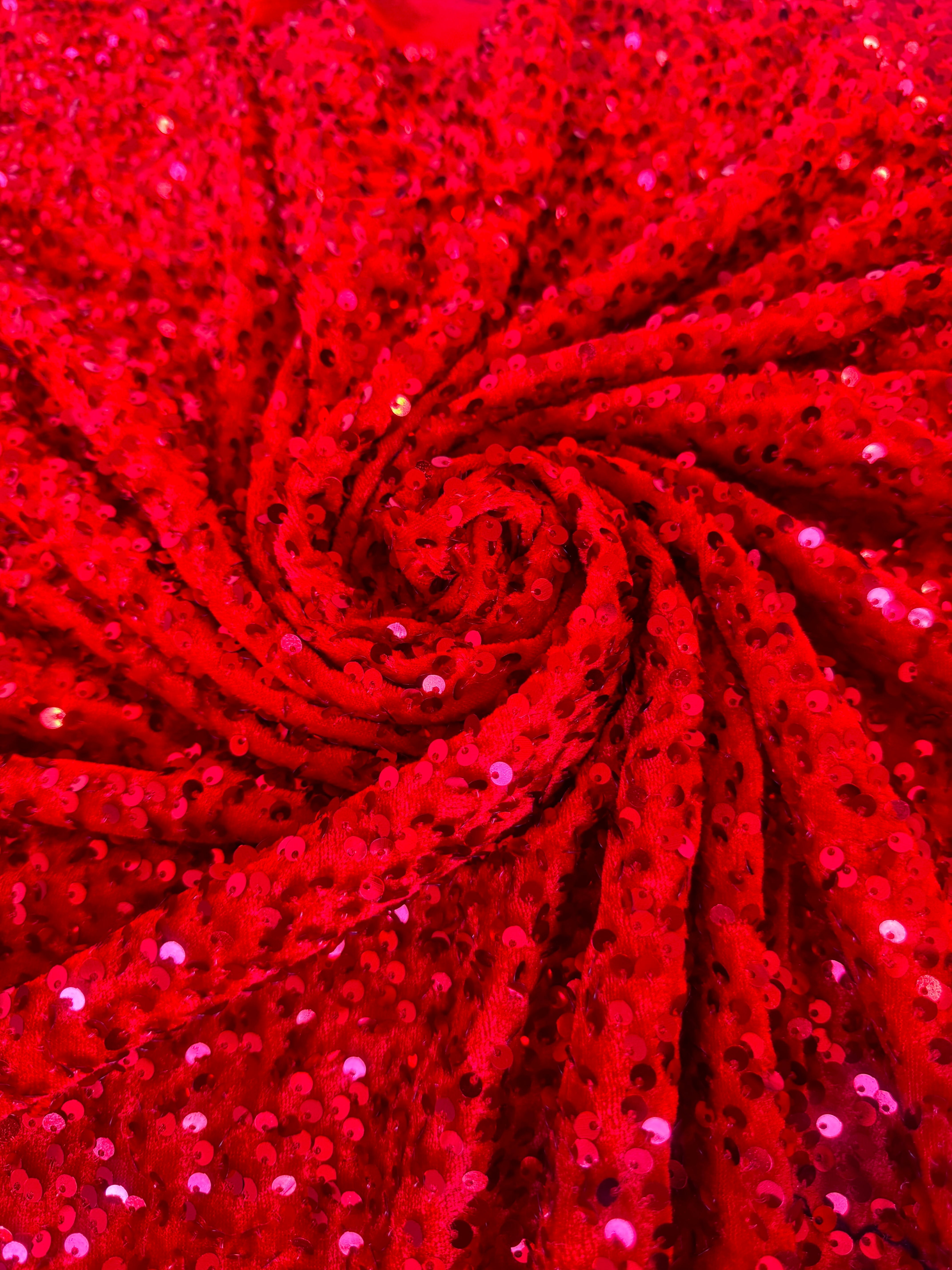
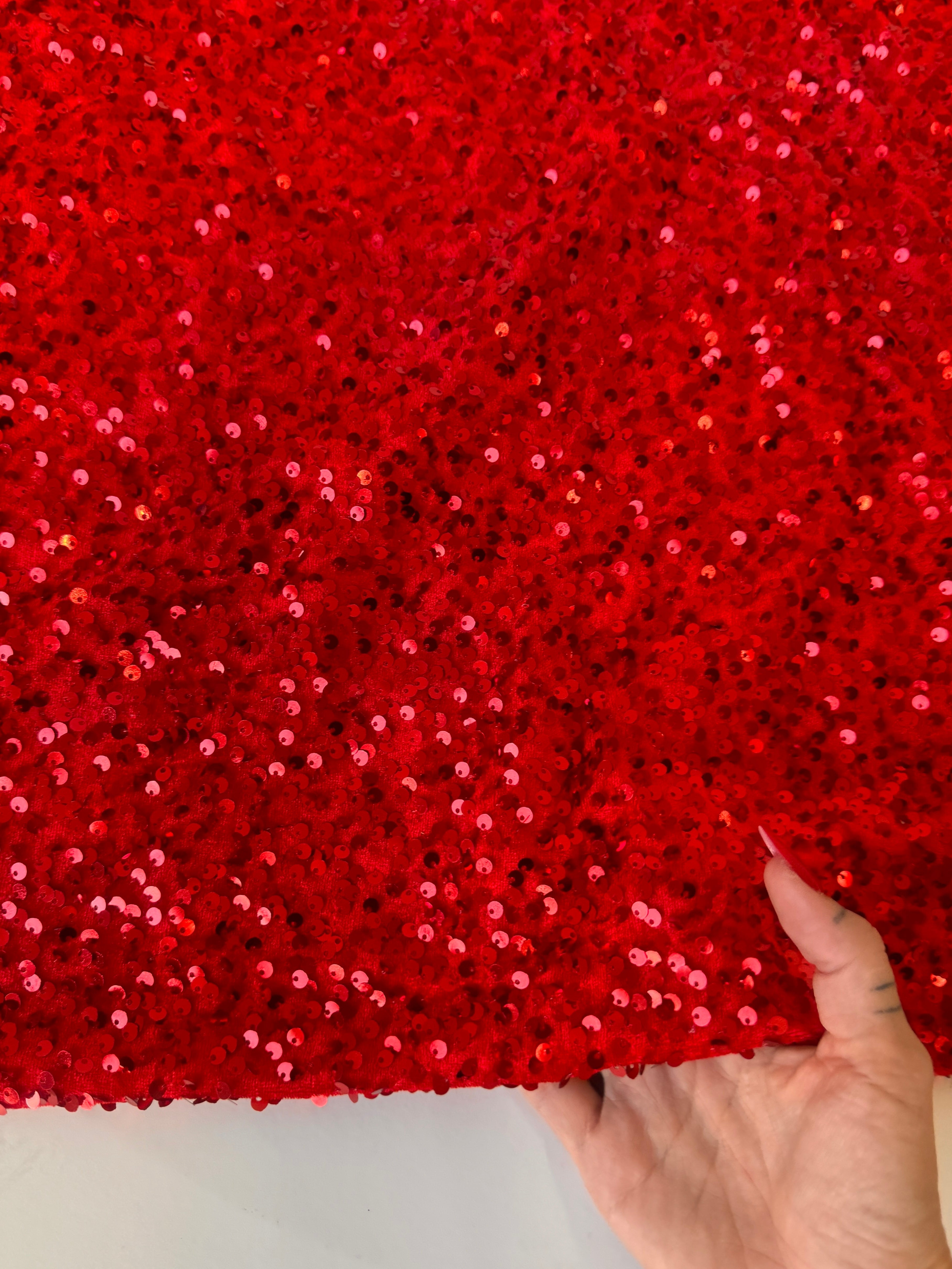
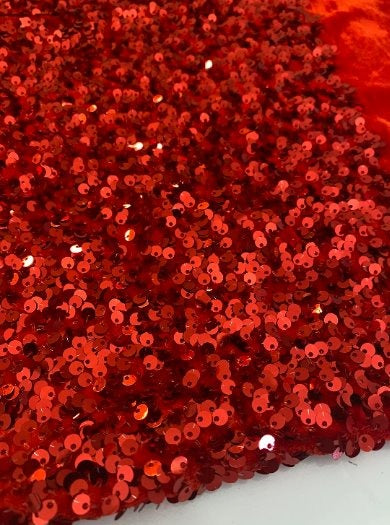
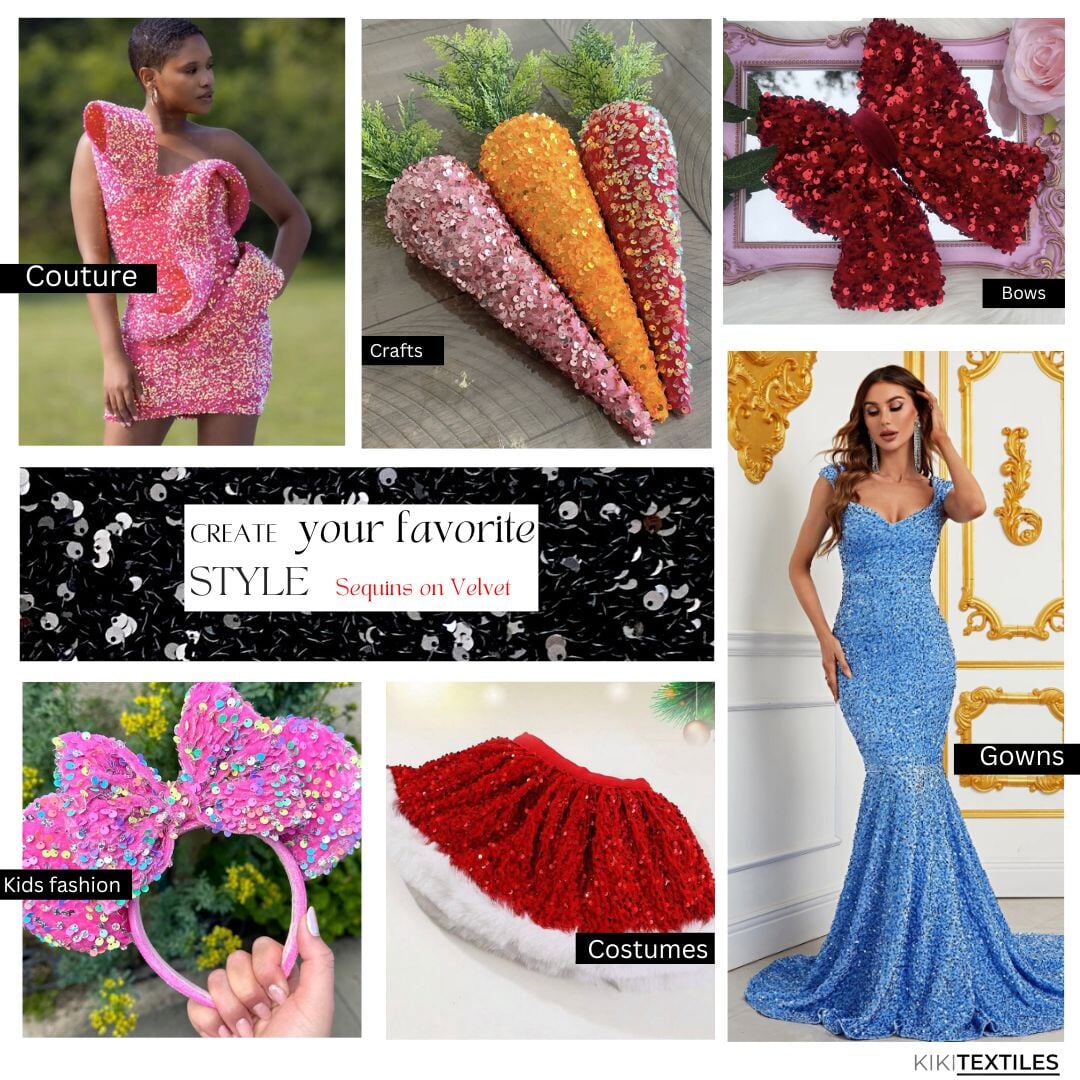
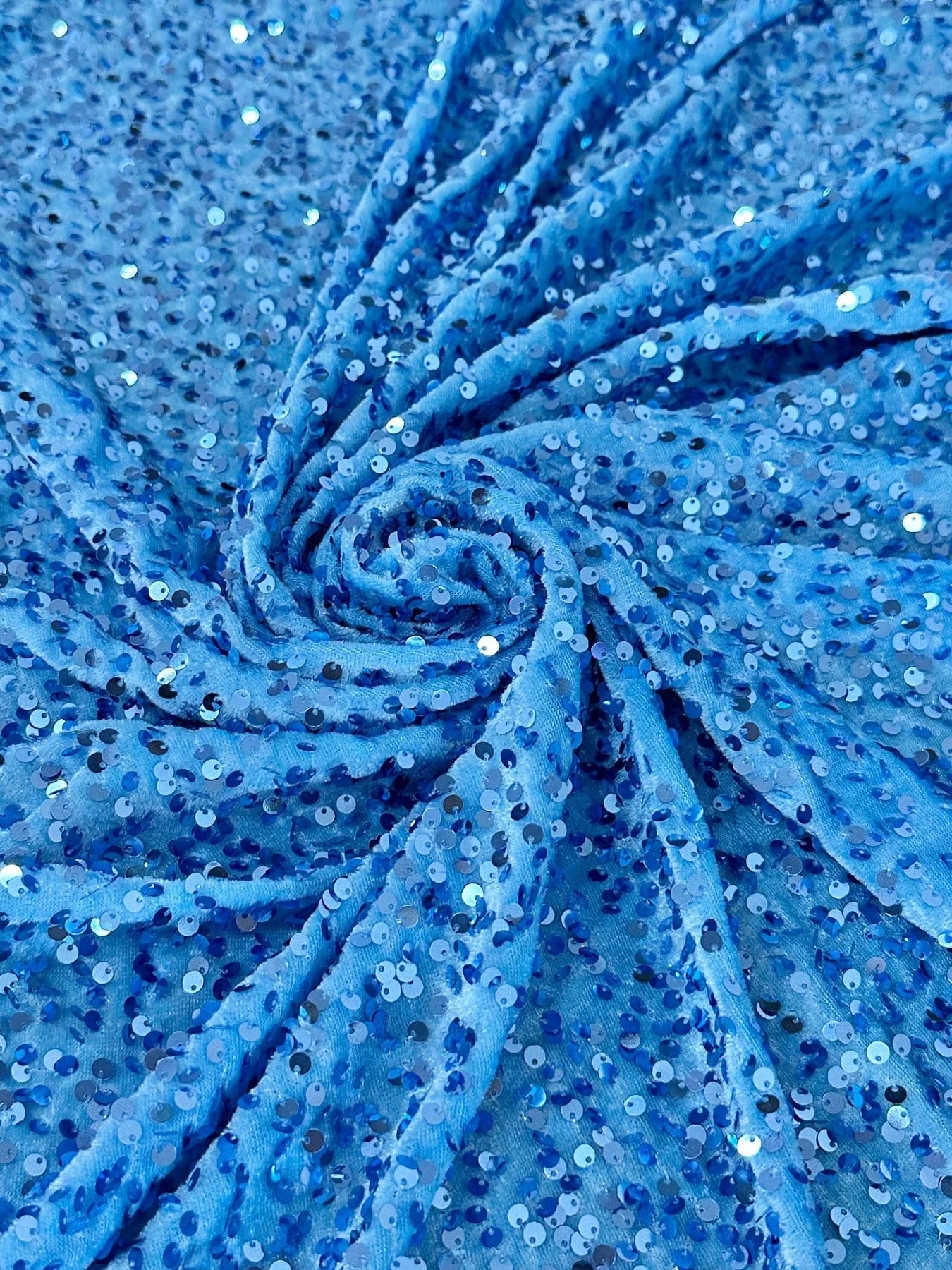
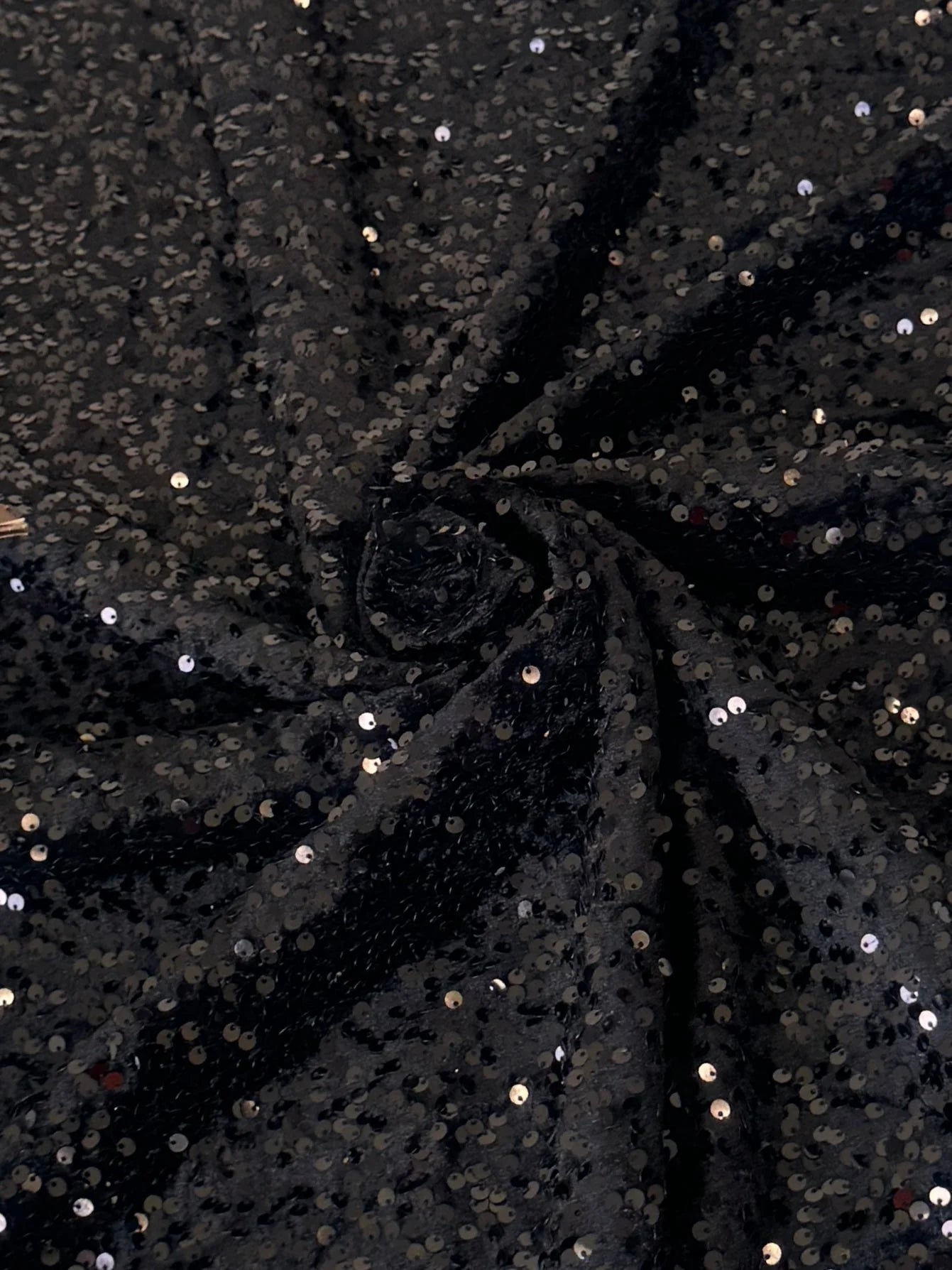
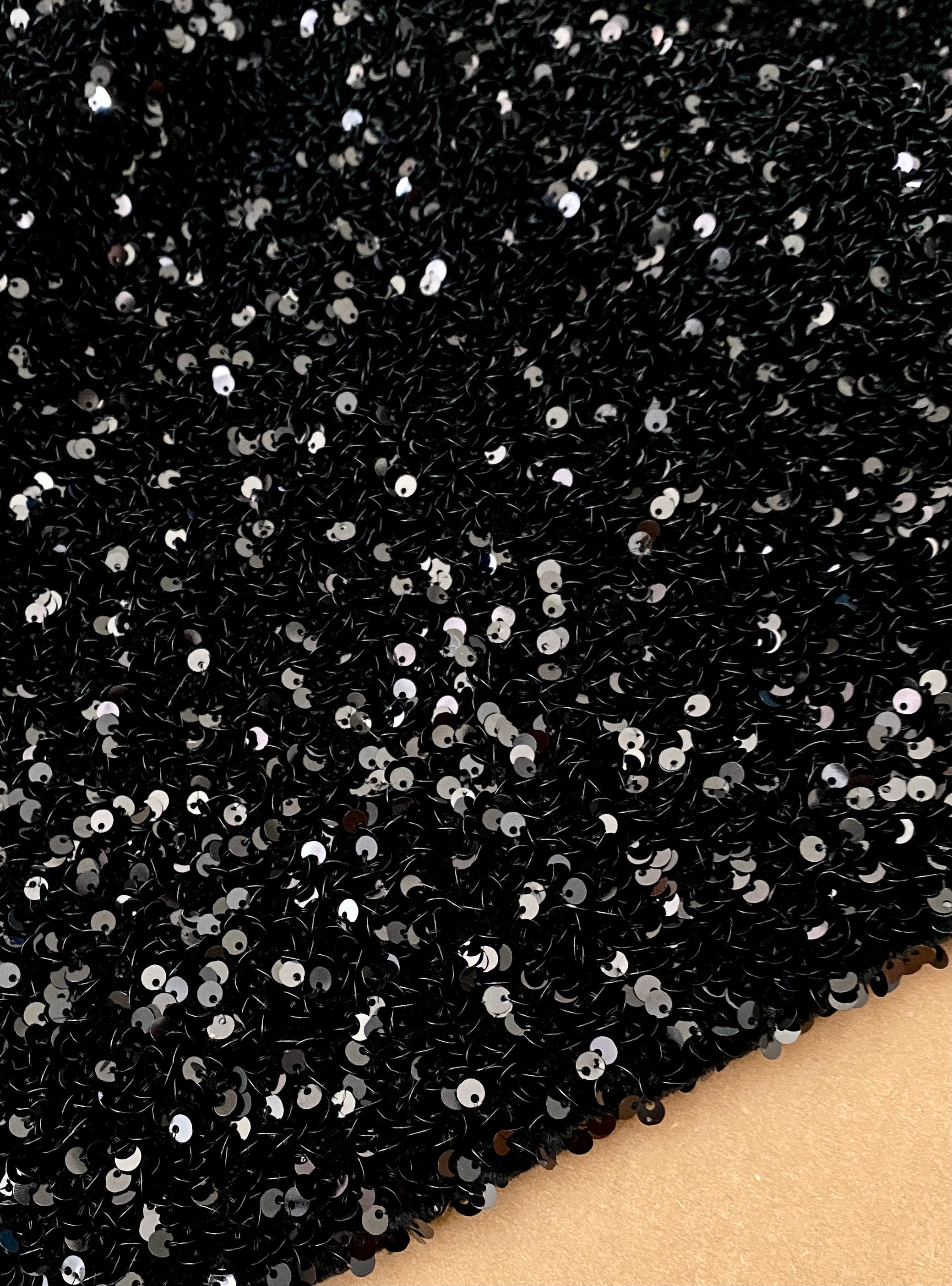
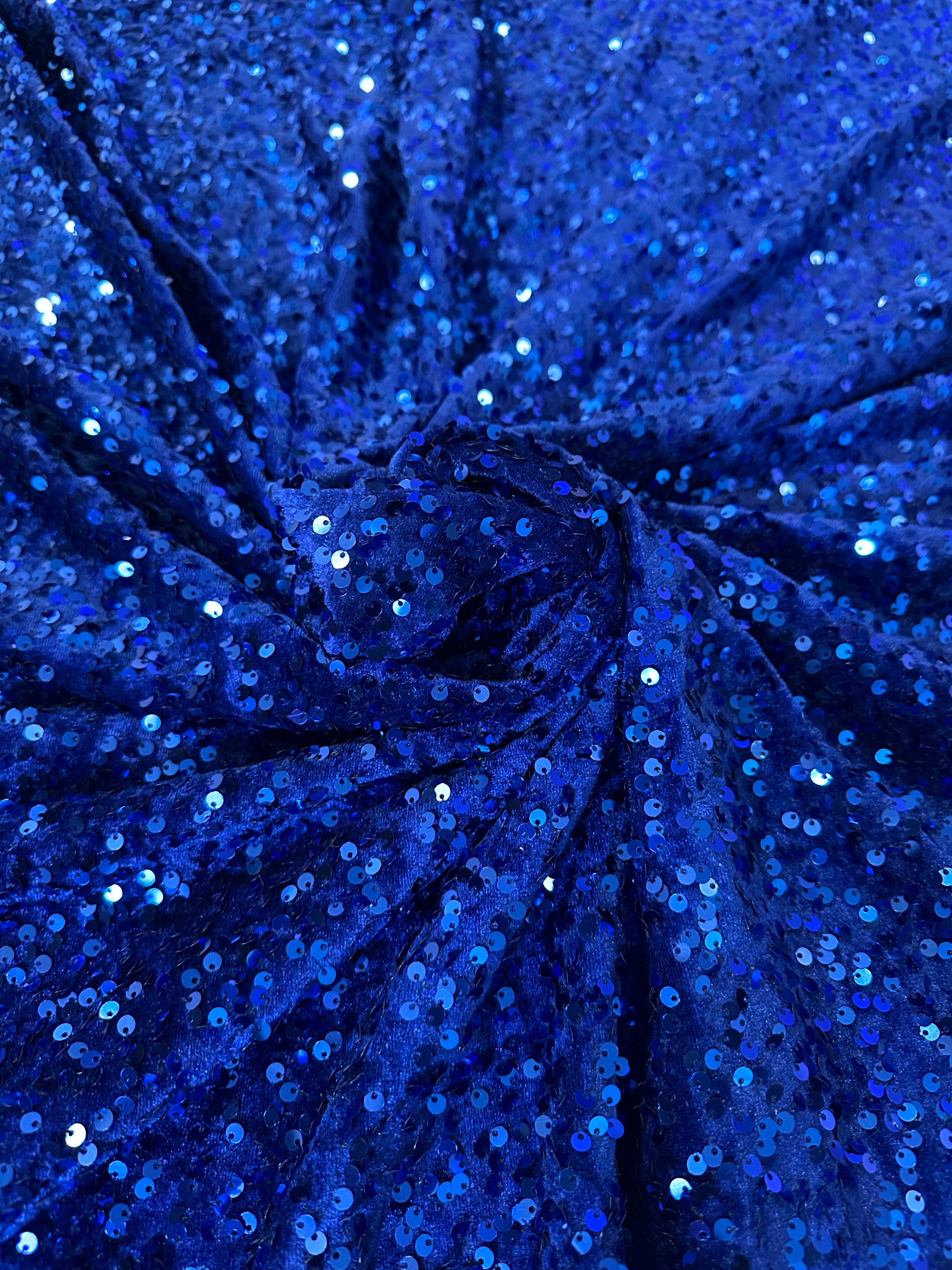
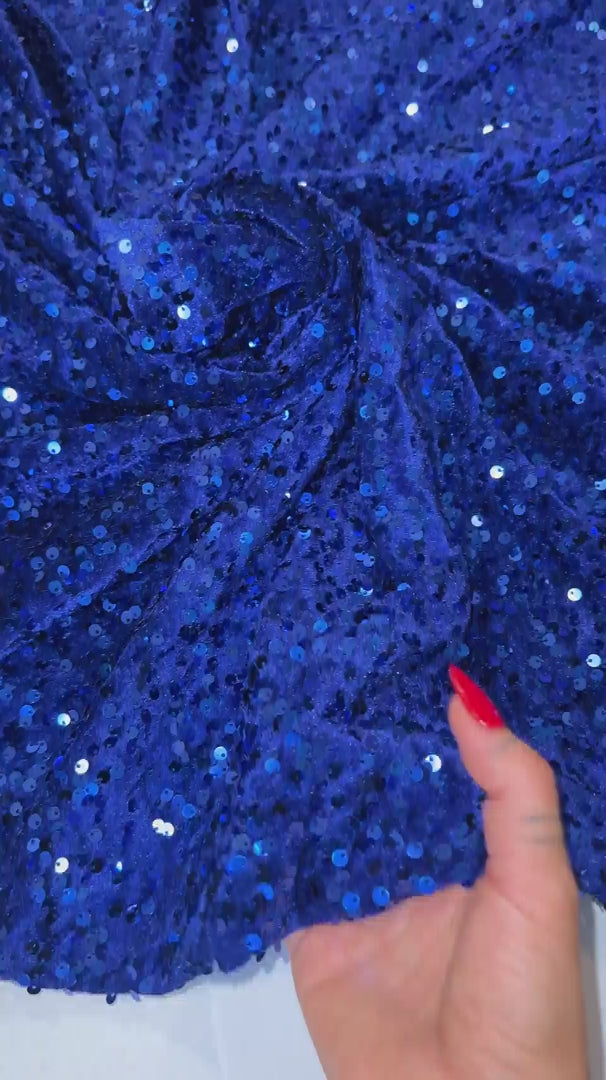
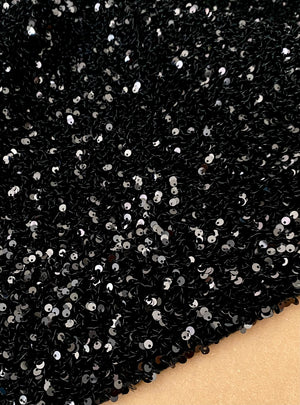
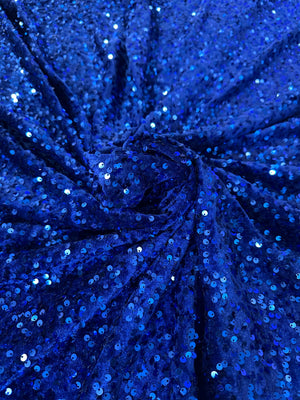
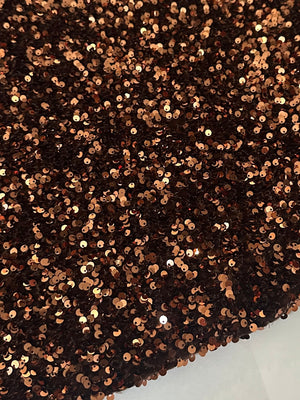
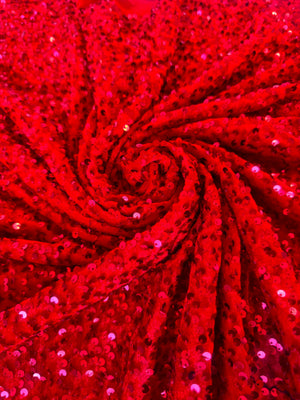
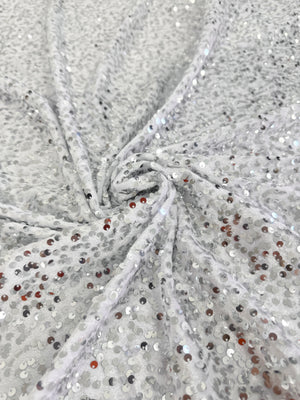
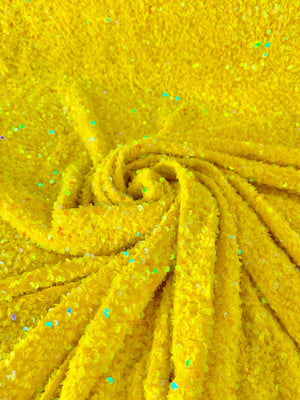
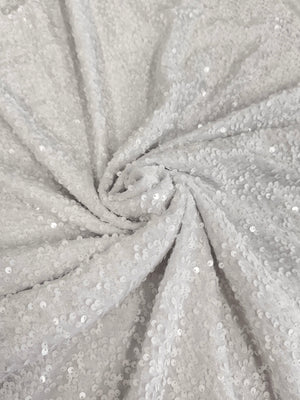
Sequins on Velvet
How our customers use it
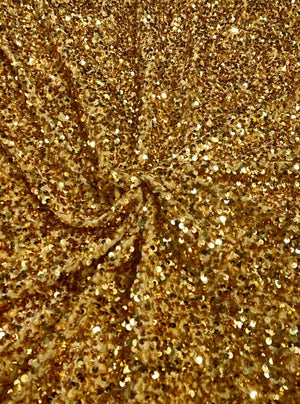
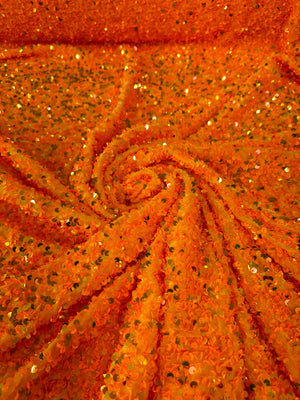
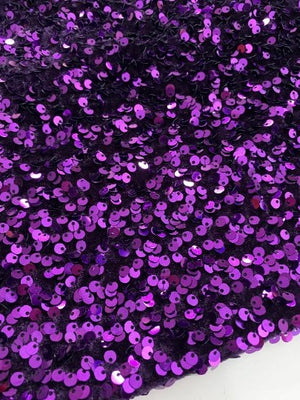
One of our best-selling fabrics for formal dresses. Commonly chosen for gowns, prom dresses, and statement evening looks. Customers love it when they want a high-impact fabric with heavy sparkle, texture, and a more luxurious finish.
Crepe
How our customers use it
Loved by customers who want cleaner, more modest dress styles. Often chosen for dresses with a refined silhouette, softer structure, and a more understated elegant look.
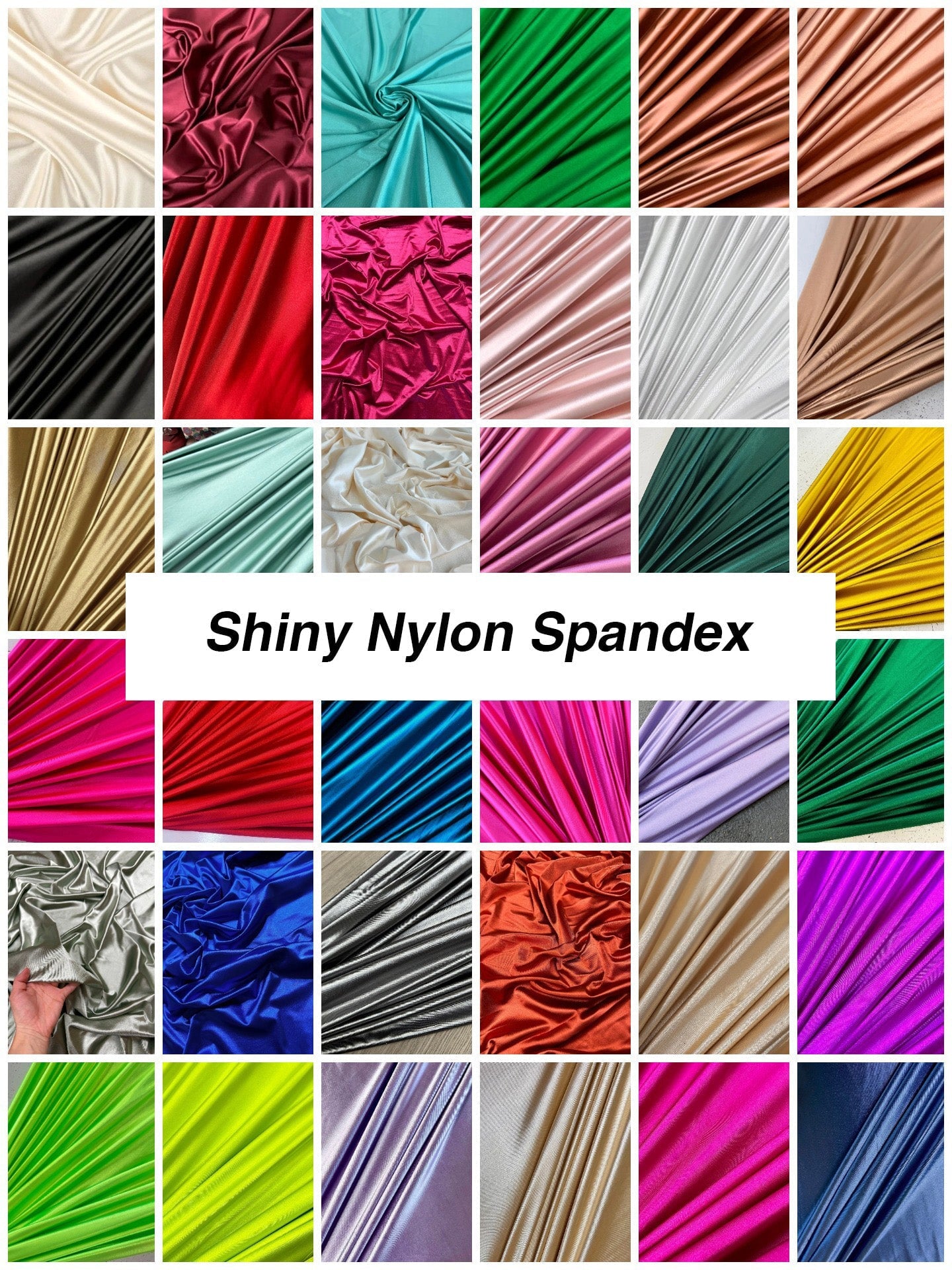
Shiny Nylon Spandex & Yoga Spandex
How our customers use it
A premium favorite for fitted dresses, evening dresses, prom dresses, mermaid silhouettes, and underlayers for sheer, lace, or textured overlays. Customers love it for the smooth fit, stretch, and more sculpted look it gives to close-fitting styles.
Faux Cashmere
How our customers use it
Often chosen for cozy dresses and softer everyday styles. Customers love it when they want warmth, comfort, and a fabric that feels soft and easy to wear.
Cotton Gauze
How our customers use it
A popular choice for summer dresses. Customers often choose it for lighter, breathable styles that feel easy, airy, and comfortable in warm weather.
Stretch Faux Leather
How our customers use it
Apparel Faux Leather
We carry premium apparel faux leather that customers love for dresses, including more fitted styles.
2-Way Stretch Faux Leather
A great choice for fitted dresses, but also works beautifully for more structured looks thanks to its balanced weight and body.
4-Way Stretch Faux Leather
Best for fitted dresses that need more flexibility, comfort, and movement while still keeping a sleek look.
- Choose chiffon if you want a soft, airy, flowy dress with light movement. Commonly used for romantic dresses, layered dresses, flutter sleeves, soft maxi dresses, ruffle dresses, and occasion styles with a lighter feel. Best when you want motion rather than structure.
- Choose spandex if you want a fitted dress. Our best selling Shiny Nylon Spandex and Lulu Yoga Spandex are often used for mermaid dresses and fitted Formal Gowns.
- Choose satin if you want a smoother, shinier, more polished dress. Commonly used for slip dresses, draped dresses, bias-cut styles, bridesmaid dresses, evening dresses, and sleek occasion looks. Best when you want elegance, fluidity, and a more dressed-up finish.
- Choose crepe if you want a cleaner, more refined dress with less shine than satin. Commonly used for fitted dresses, minimalist dresses, modern evening dresses, work dresses, and sleek silhouettes. Best when you want the dress to look polished but not overly glossy.
- Choose organza if you want volume, light structure, or a more dramatic shape without heavy weight. Commonly used for puff sleeves, overlays, fuller skirts, occasion dresses, statement dresses, and layered designs. Best when you want shape and airiness at the same time.
- Choose tulle if you want softness, fullness, or a more romantic layered look. Commonly used for party dresses, underskirts, overlays, occasion dresses, and dresses with extra volume or a dreamy finish. Best when you want fullness more than drape.
- Choose lace if you want texture, detail, and a more romantic or feminine finish. Commonly used for overlay dresses, sleeve details, bodices, occasion dresses, cocktail dresses, and dresses with a more decorative surface. Best when the detail of the fabric is part of the design.
- Choose beaded lace or embellished fabrics if you want a statement dress with sparkle, texture, or a more luxurious special-occasion look. Commonly used for cocktail dresses, formal dresses, prom-inspired looks, and standout eveningwear. Best when the fabric itself needs to do a lot of the visual work.