




Faux Cashmere


What Is Cashmere Fabric?
Cashmere fabric is made from the undercoat fiber of cashmere goats. Cashmere is known for its breathability and warmth. Cashmere is, therefore, placed at the top of the wool family. It’s a natural fiber loved for its softness, drape, and insulation, the same qualities found in cashmere.
Each goat produces only a small amount of fiber each year, which gives cashmere fabric its rarity and premium status. Lots of consumers now couple it with a faux version for routine use.
What Is Cashmere Textile?
Cashmere textile is a knit or woven material prepared with cashmere fiber. Sweaters, Shawls, and cashmere fabric by the yard all fall under cashmere textile. It’s made of pure cashmere fiber or blended with wool or silk to boost strength and stretch.
The blend of other fibers with cashmere gives the textile a longer life for routine use. Also, the price and feel both depend on the purity and blend; thus, check the label before shopping.
Is Cashmere a Good Fabric?
Certainly, cashmere is a good fabric for cold climates. It’s lightweight, insulating, and breathable. Also, it drapes more beautifully than regular wool fabric and is soft against the skin. Another reason to call it a good fabric is that it shines brighter, but its natural softness remains intact.
What Is Faux Cashmere?
The man-made version of cashmere is faux cashmere that matches the drape of real cashmere at an easy cost. It uses blended fibers instead of goat hair in manufacturing the cashmere textile.
Faux cashmere is a blended knit of cotton and spandex, adding stretch. It is well-suited for sweaters, loungewear, and soft accessories. As it is a manufactured fabric, faux cashmere nicely holds its shape during regular washing.
What Is Artificial Cashmere Made Of?
Artificial cashmere is made of a blend of synthetic and semi-synthetic fibers. The most common fibers are rayon, polyester, spandex, or nylon. The mix of fibers delivers smooth drape, a soft touch, and recovery to hold shape after wear.
Faux Cashmere Material and Faux Cashmere Fiber
The faux cashmere material runs on a knit production, not weaving. Knitting has more stretch properties, and it drapes closer to real cashmere than woven production.
The spandex knit fabric base is used when stretching is preferred. Some use a cotton spandex knit fabric to add breathability with stretch. The faux cashmere fiber gives the fabric a soft touch because it's tightly packed. This soft touch is the first feeling people notice in it.
Collection of Faux Cashmere Fabric You Can Buy From Kiki Textile
Kiki Textiles’ faux cashmere fabric collection consists of a full range of weights and colors. We allow you to match the fabric to your project's needs.
Each listing on our website shows fiber content, weight, and width upfront to make ordering simple and easy.
Cashmere Knit Fabric
Cashmere knit fabric leads the market because they are closer to real cashmere. Kiki Textiles includes a range of products; these include:
|
Color |
Best For |
|
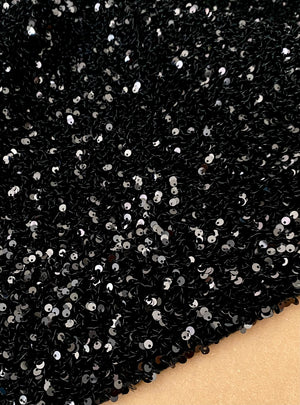
Black spandex faux cashmere |
Everyday sweaters and layering pieces |
|
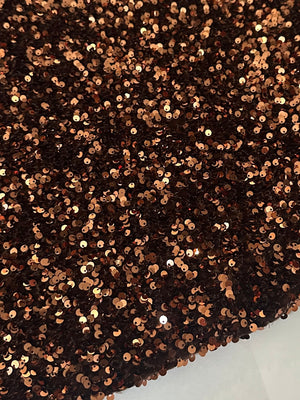
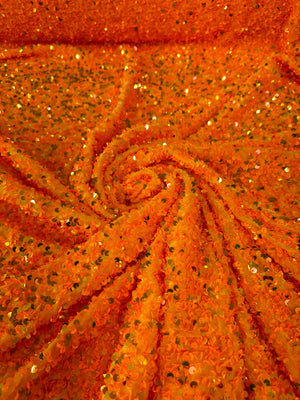
Orange spandex faux cashmere |
Statement tops and accent pieces |
|
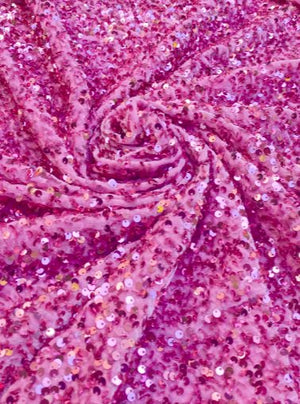
Baby pink spandex faux cashmere knit |
Loungewear, kidswear, and soft accessories |
Best Cashmere and Best Quality Cashmere
The best cashmere is the one with long fibers, a tight knit, and a smooth, lasting finish. The best quality cashmere feels light and dense at the same time and is not see-through.
It has a strong fiber structure as it springs back when you stretch it. You can run a quick touch test before you buy (sample swatches are available at Kiki Textiles).
How to Tell Good Cashmere From Bad
Simple checks to help you shop and differentiate good cashmere from bad:
-
Gently rub the fabric with your fingers. High-quality cashmere stays smooth and resists piling up.
-
High-quality cashmere springs back to shape on slight stretch.
-
The smell test gives a clean, natural scent.
-
Check the weight. A substantial feel signals a higher grade.
-
Fiber content on the label confirms what you are buying.
How to Clean Cashmere
If you're wondering how to wash cashmere, then you must know that it needs to be hand-washed in cool water. Use a mild detergent and skip the fabric softener, because a clean rinse keeps the fibers soft.
To dry it out, place the cashmere flat on a surface to dry. It will hold back to its shape beautifully.
How to Take Care of Cashmere
Keep its shape by storing Cashmere folded, not hung, to protect it from stretching. Storing it in a breathable bag will also help it stay fresh between routine wear.
A short rest between wears is appreciated to make the fibers bounce back. Also, do a gentle brush using a fabric comb to keep any pilling in check.
Why Buy Faux Cashmere Fabric by the Yard From Kiki Textile
Kiki Textiles offers cashmere fabric by the yard and gives you full control over your purchase measurements.
We also offer cashmere material by the yard with no minimum order quantity, so you can check the color before a full run.
You can keep your project efficient by ordering pre-measured and cut-to-order cashmere. This facility will also help you check weight and color before committing to a huge order.
FAQs
What is faux cashmere?
Faux cashmere is a cotton-sandex synthetic fabric designed to feel and drape like real cashmere.
What is artificial cashmere made of?
Artificial cashmere mostly made of rayon, polyester, spandex or nylon, and sometimes on a cotton spandex base.
What is a cheaper version of cashmere?
Faux cashmere is a budget-friendly version/alternative of cashmere that delivers a soft, warm feel.
How can you tell fake cashmere?
The fiber content on label, density and feel, and a stretch test allows you to differentiate real and fake cashmere. The original one holds its shape well.
What is cashmere fabric?
Cashmere fabric is a soft warm fabric made from the undercoat of cashmere goats.
Is cashmere a good fabric?
Yes, the warmth, drape and softness make it a great fabric for most climates and uses.
How to Tell Cashmere Quality?
High quality cashmere feels soft, smooth and holds up longer than average quality.
or density, check for pilling resistance, and confirm the fiber content on the label.