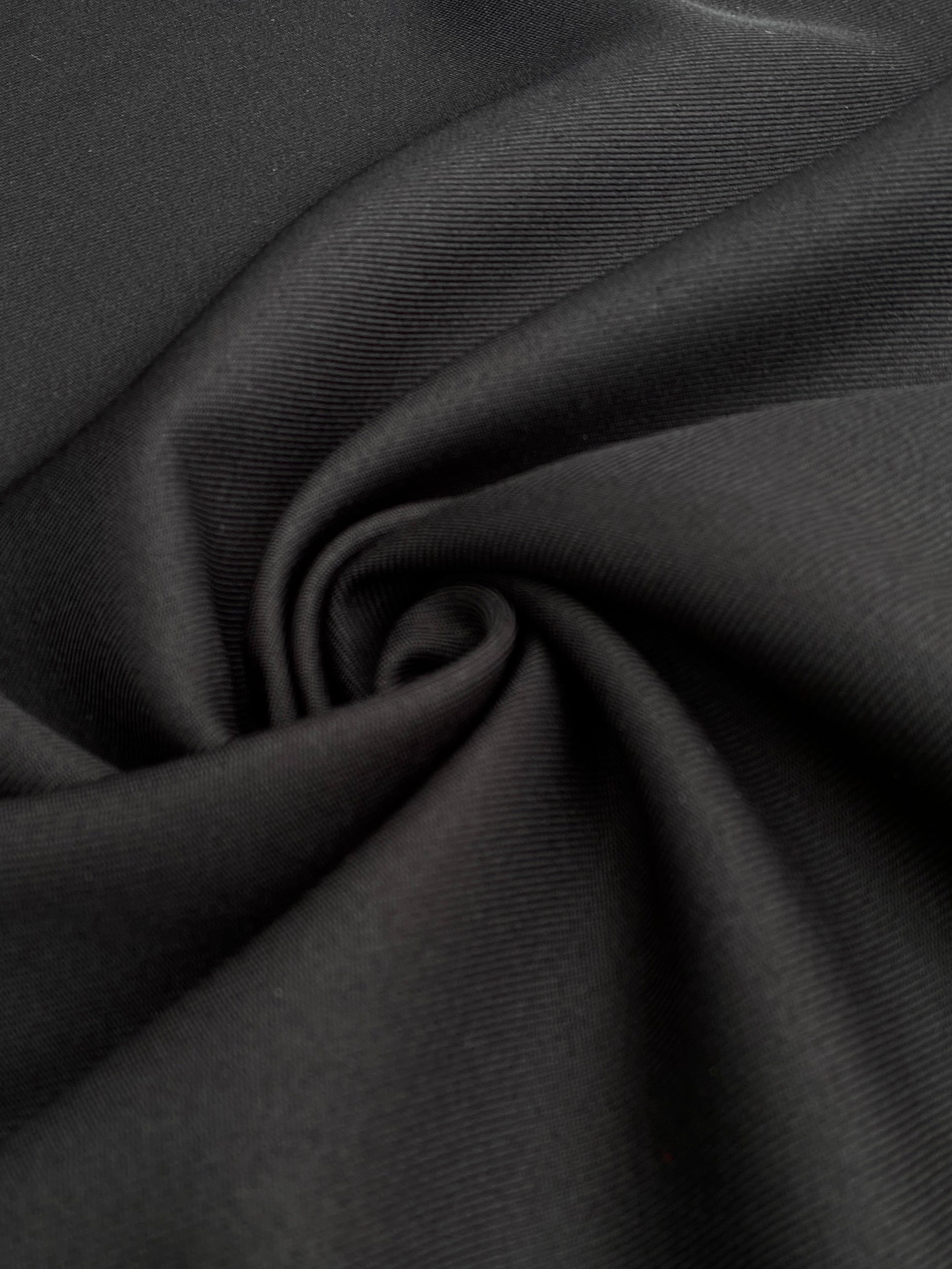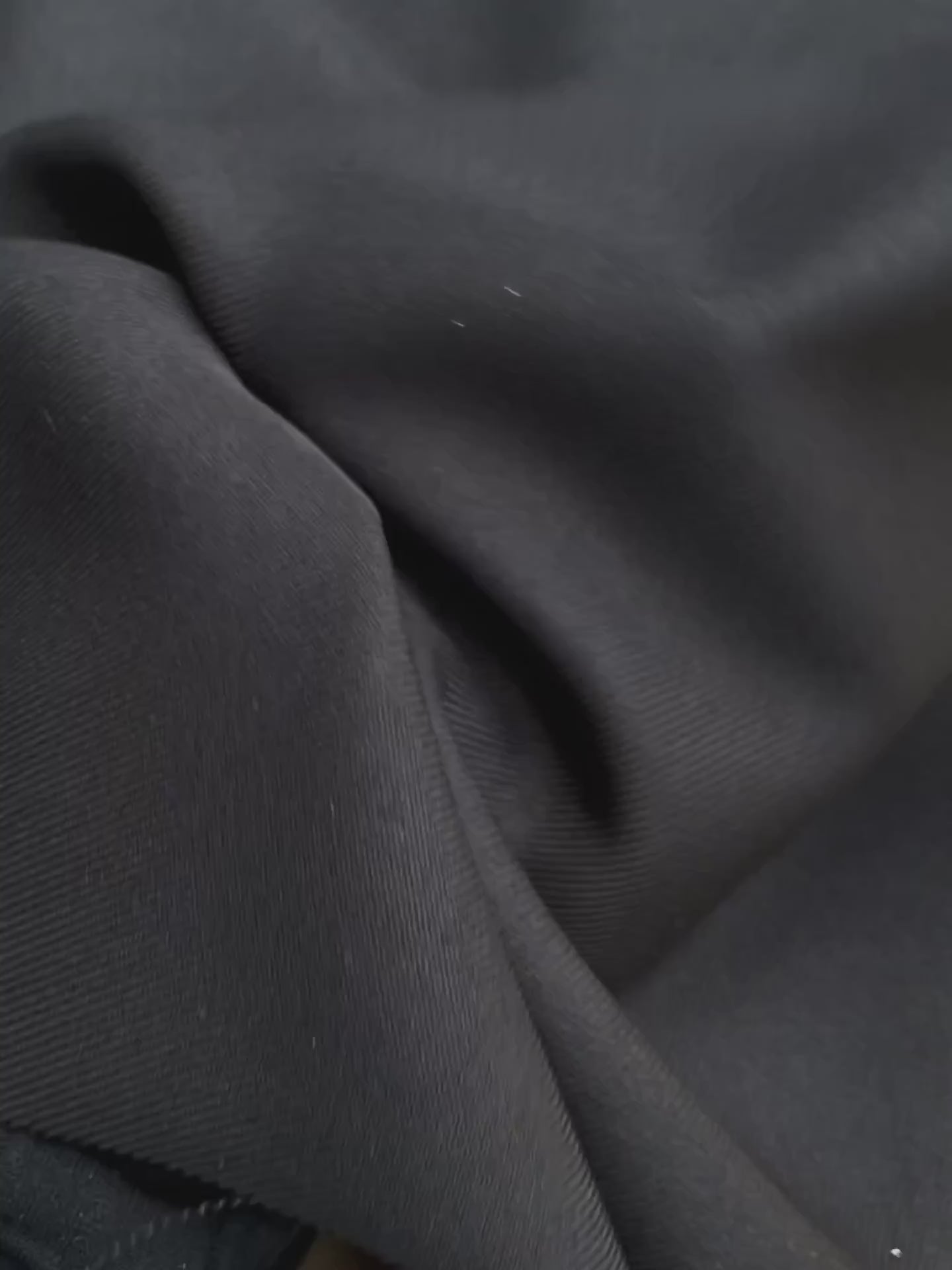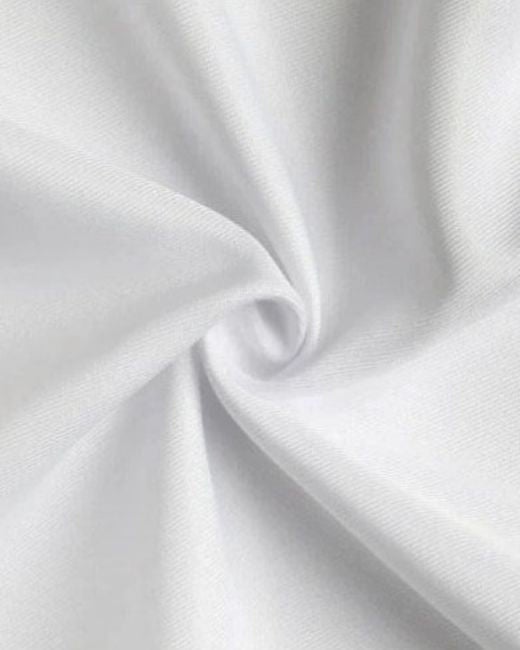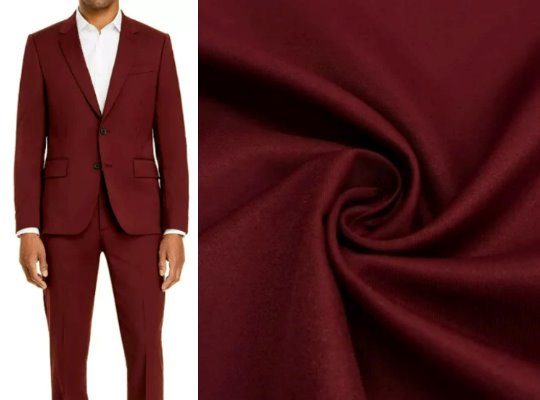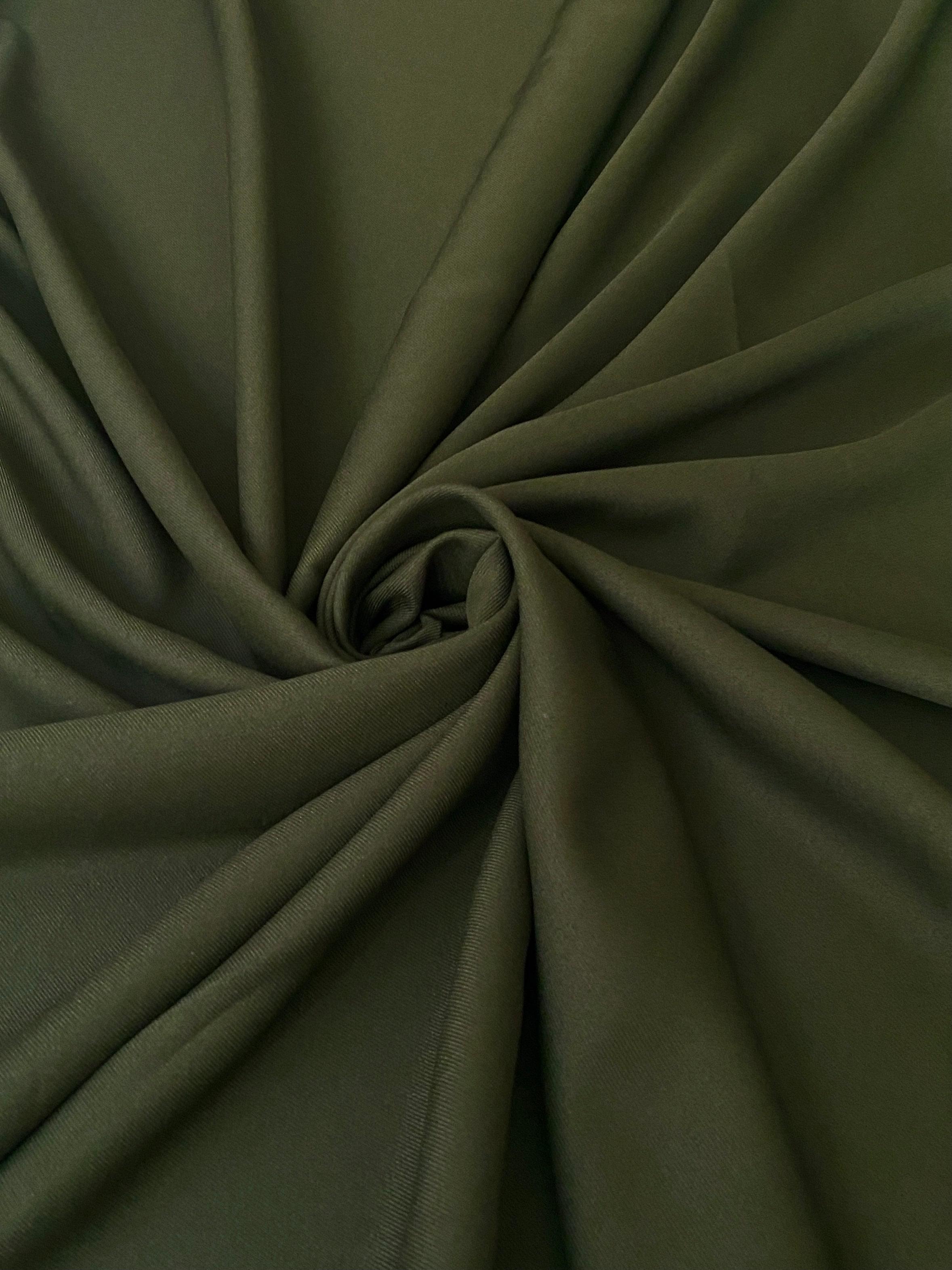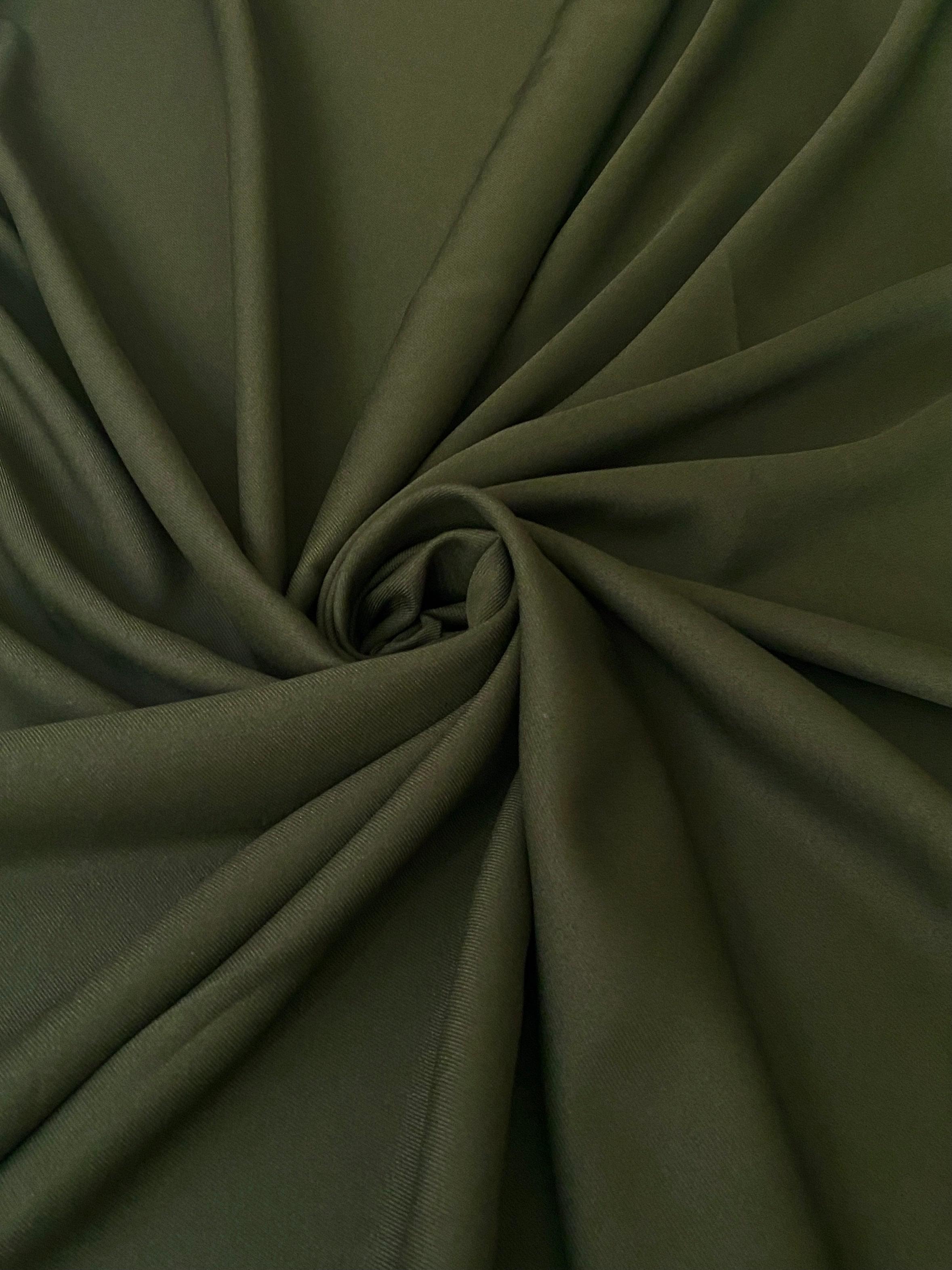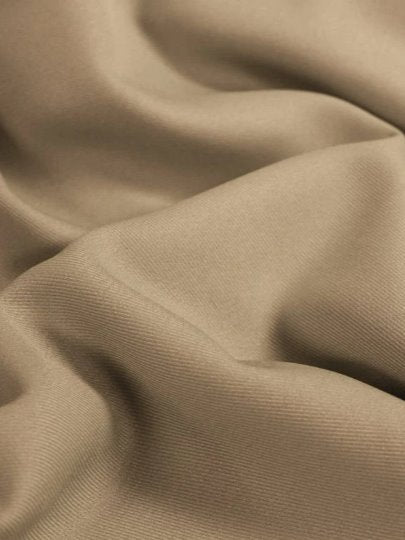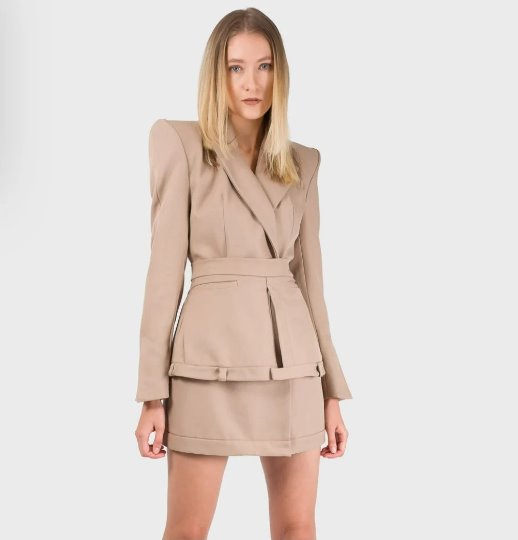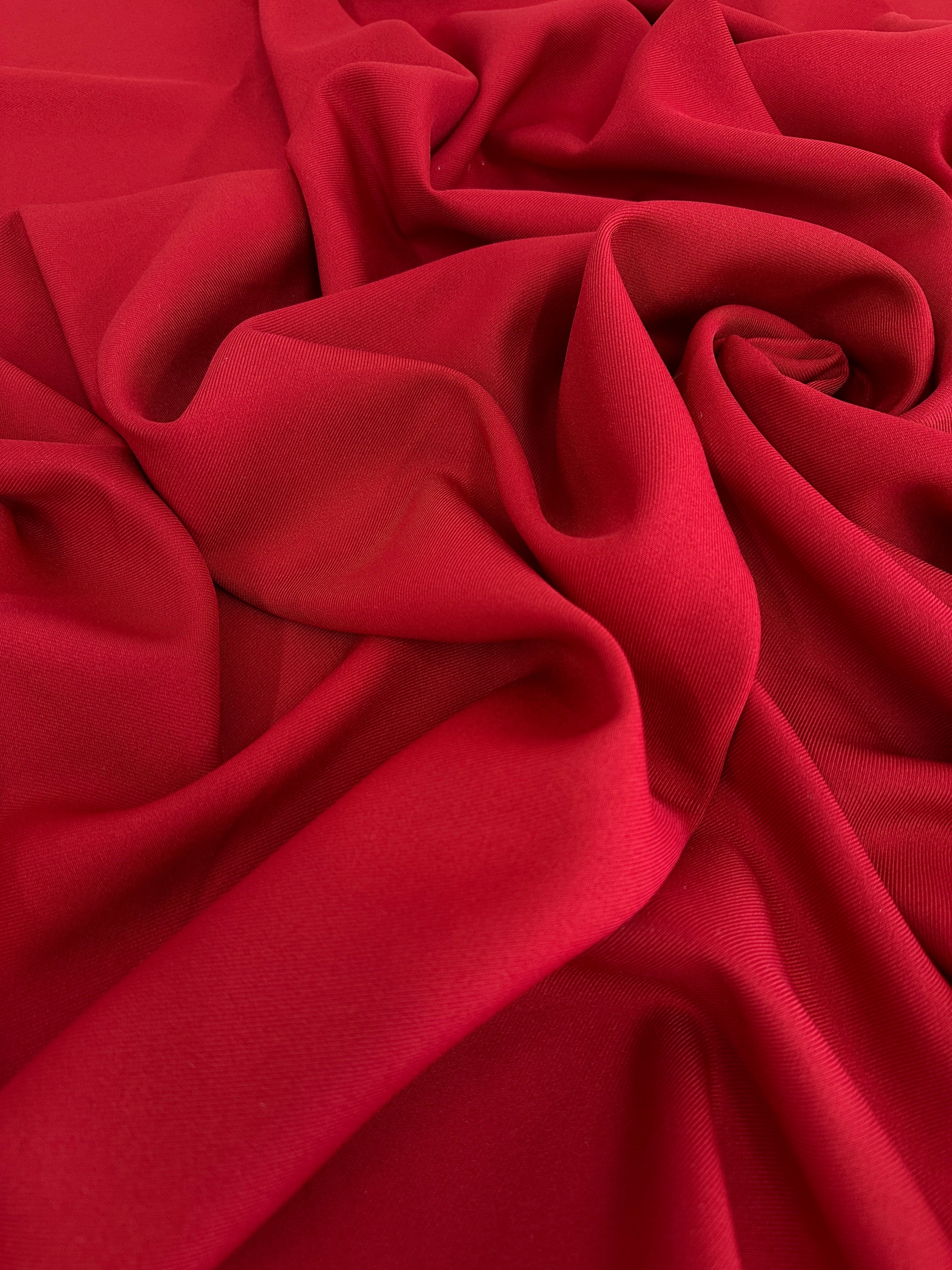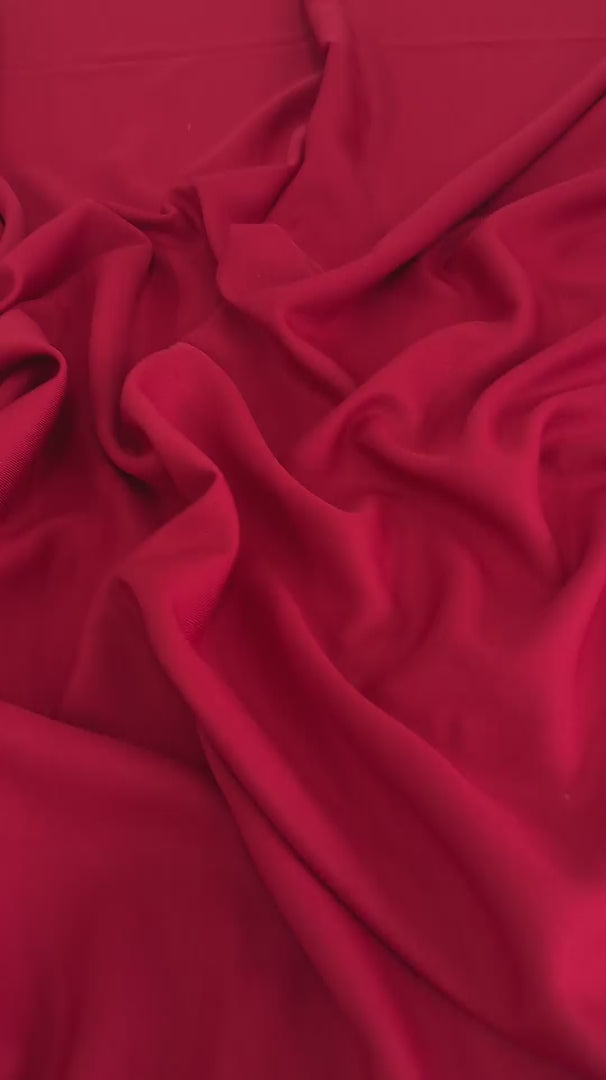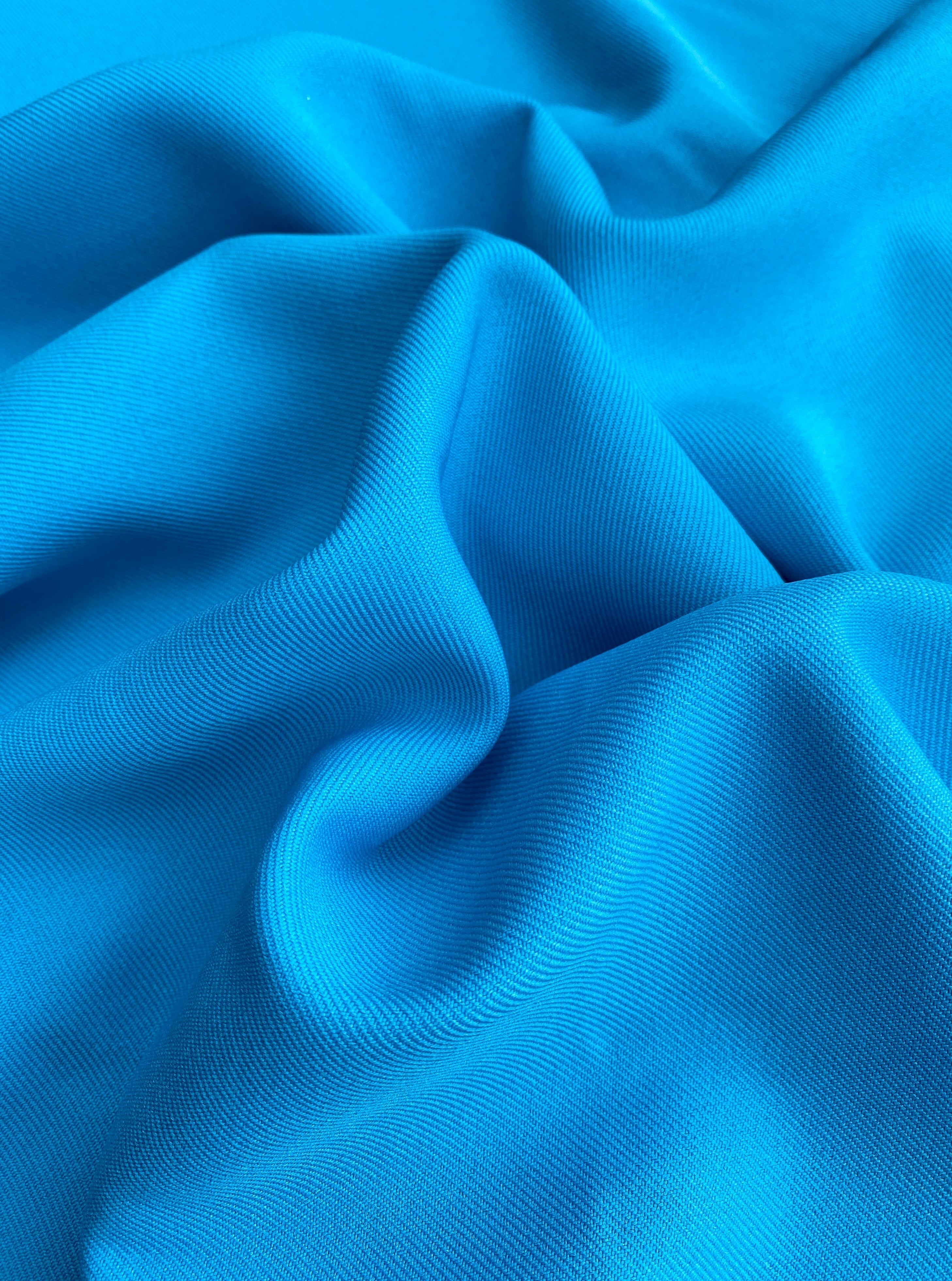



- For tailored blazers: suiting, wool, wool blends, gabardine, twill
- For trousers and matching sets: suiting, wool blends, crepe, gabardine, stretch suiting
- For structured silhouettes: suiting, wool, gabardine, twill
- For softer tailored looks: crepe, lighter suiting, softer wool blends
- For fitted suiting: stretch suiting, ponte, structured knits, stretch twill
- For polished workwear: suiting, wool blends, gabardine, crepe
- For crisp clean lines: gabardine, suiting, wool, wool blends
- For comfort with a tailored look: stretch suiting, ponte, structured knits
- For warmer tailored pieces: wool, heavier suiting, wool blends
For lighter suiting: crepe, poplin, lighter suiting blends
Suiting Fabrics
Usually used for blazers, trousers, vests, skirts, matching sets, and polished tailored looks. Best when customers want a clean, elevated, expensive-looking finish.
Wool
Usually used for classic suiting, tailored blazers, trousers, coats, and cooler-weather pieces. A strong choice when warmth, structure, and a refined finish matter.
Wool Blends
Usually used for suits, tailored pants, blazers, skirts, and workwear pieces. Loved because they keep the polished wool look while often feeling easier to wear and more practical.
Gabardine
Usually used for structured suits, trousers, jackets, and uniforms or workwear-inspired tailoring. Great when customers want shape, durability, and crisp lines.
Twill
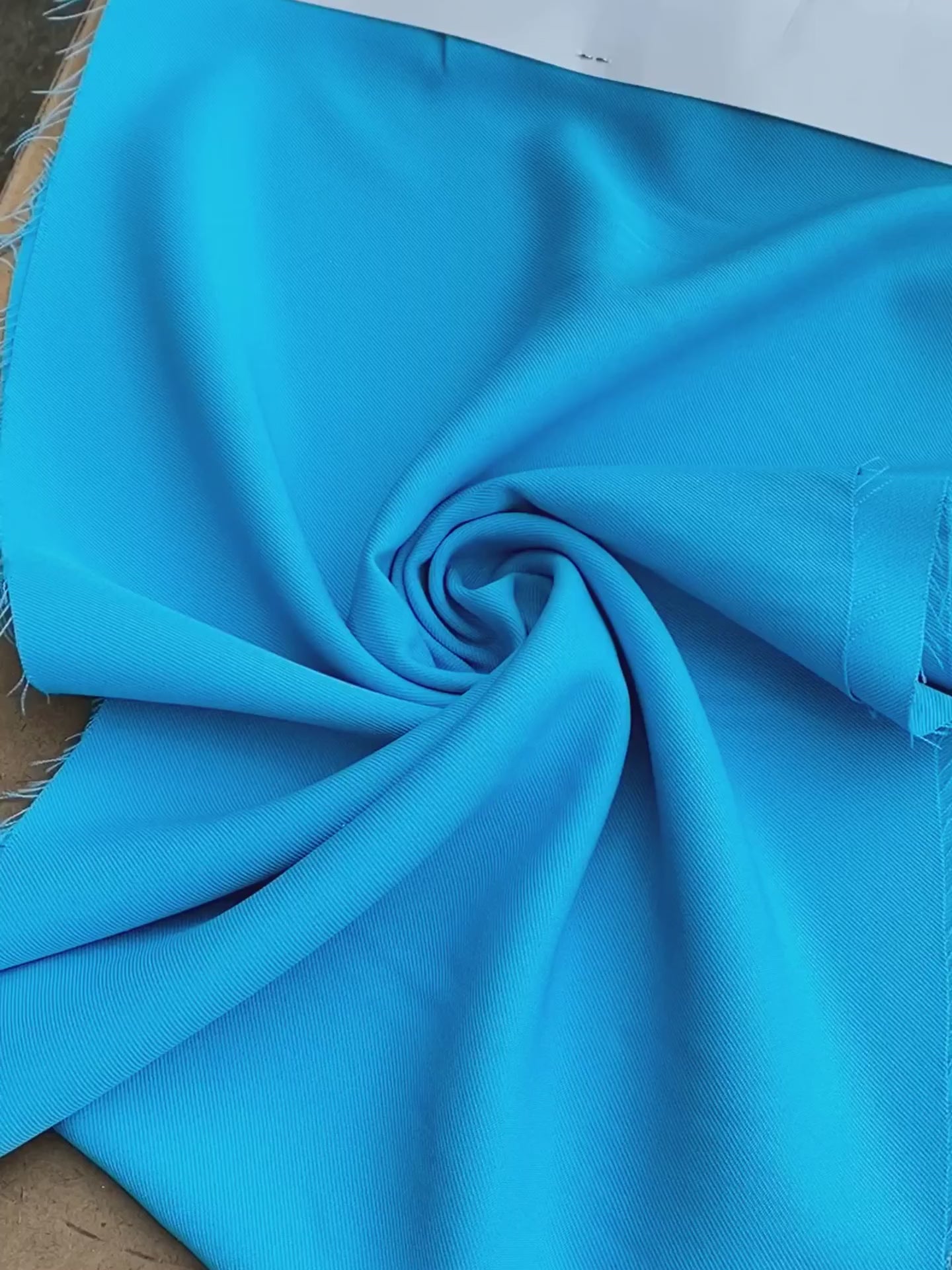
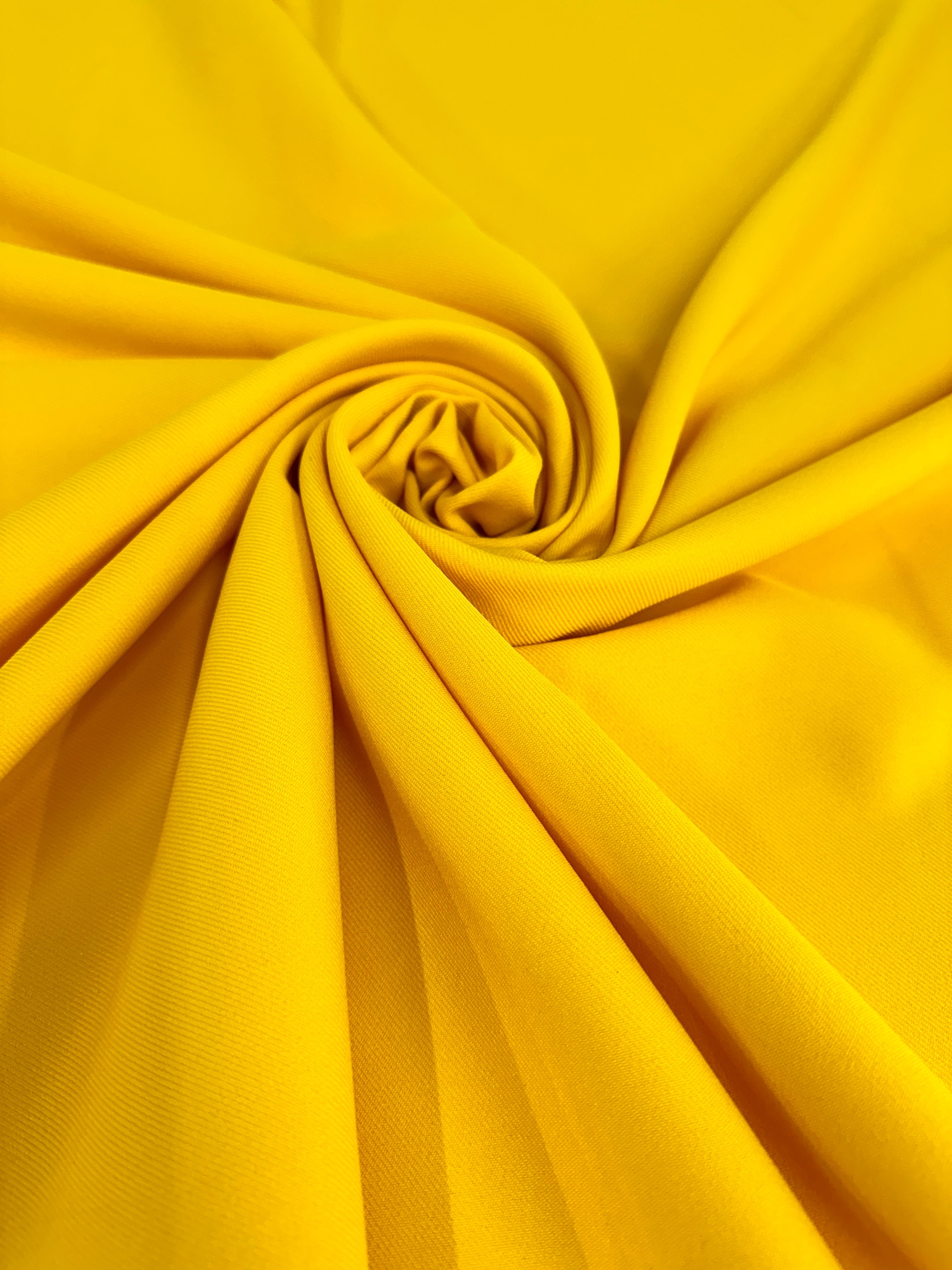
Usually used for structured tailoring, trousers, jackets, and more substantial everyday suiting looks. Best when a little more body and durability are needed.
Crepe
Usually used for softer suiting, elegant blazers, wide-leg trousers, and refined workwear styles. A favorite when customers want something polished without too much stiffness.
Stretch Suiting
Usually used for fitted blazers, slim trousers, cigarette pants, and tailored pieces that need more movement and ease. Great for customers who want polish with comfort.
Ponte / Structured Knits
Usually used for comfortable suiting-inspired pieces, fitted jackets, pull-on trousers, and modern workwear styles. Best when customers want a neat look with more stretch.
Poplin
Usually used for lighter suiting-inspired separates or crisp warm-weather tailored pieces. Better for lighter structure than heavy classic suiting.
Suiting Fabrics
- Suiting fabrics are ideal for tailored pieces because they hold shape well, but that also means fitting issues can show more clearly.
- Good pressing makes a major difference in suiting and is part of what gives it that professional finish.
- Heavier suiting can build bulk at collars, lapels, waistbands, hems, facings, and seam intersections.
- Suiting is often easier to control than slippery fabrics, but precision matters more.
Wool
- Wool presses beautifully, which makes it one of the best fabrics for classic tailoring.
- Depending on the weight, it can feel structured and luxurious, but some wools may be too heavy for softer silhouettes.
- Heat and pressure should always be tested first because some wool surfaces can flatten or mark.
- Wool is excellent when you want a suit to look polished and expensive.
Wool Blends
- Wool blends are often easier to wear and more practical than pure wool while still giving an elevated tailored look.
- They are great for customers who want structure without too much stiffness.
- Many wool blends are easier to sew and maintain than pure wool.
- A strong choice for trousers, blazers, pleats, and cleaner shapes.
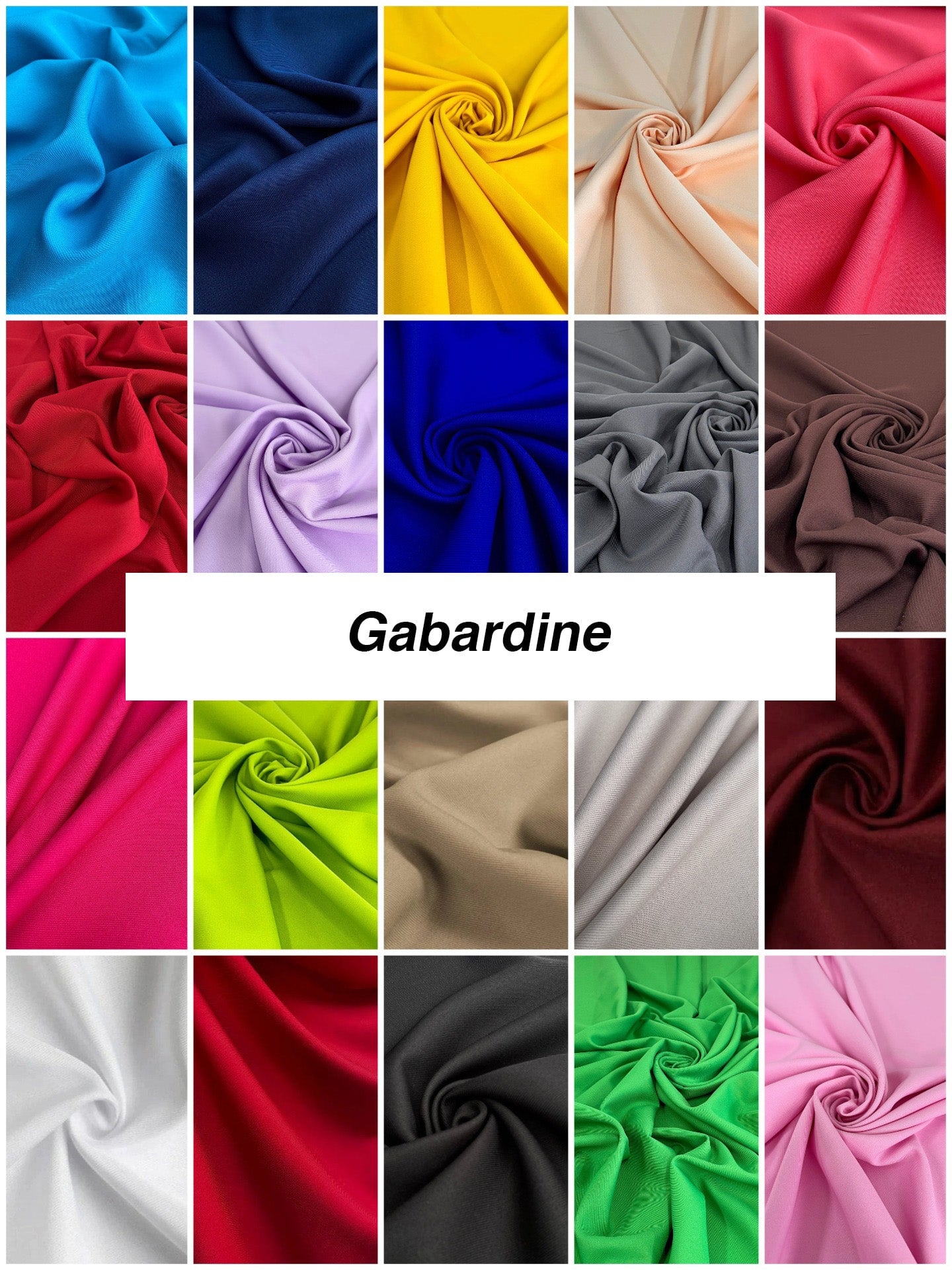
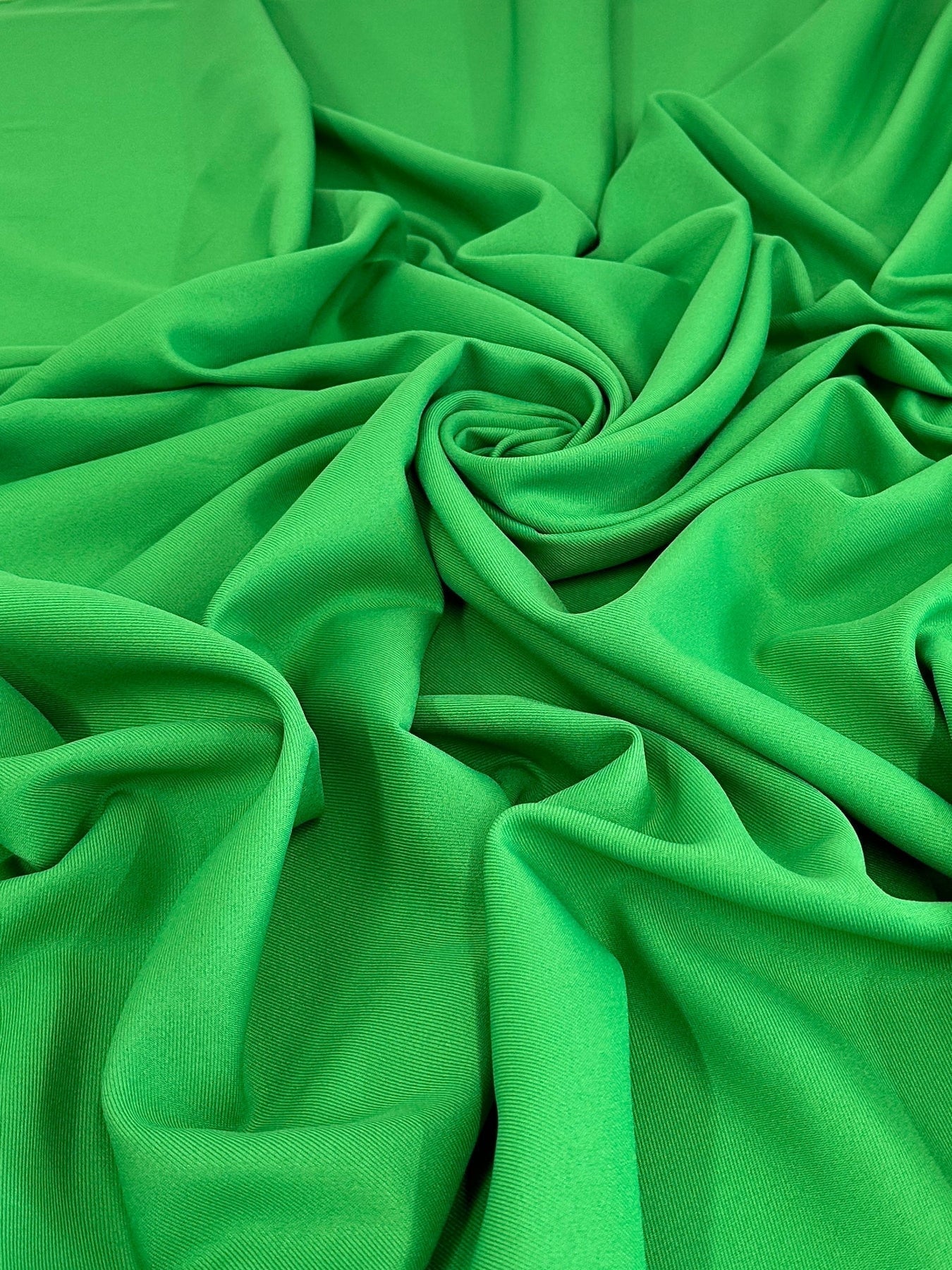
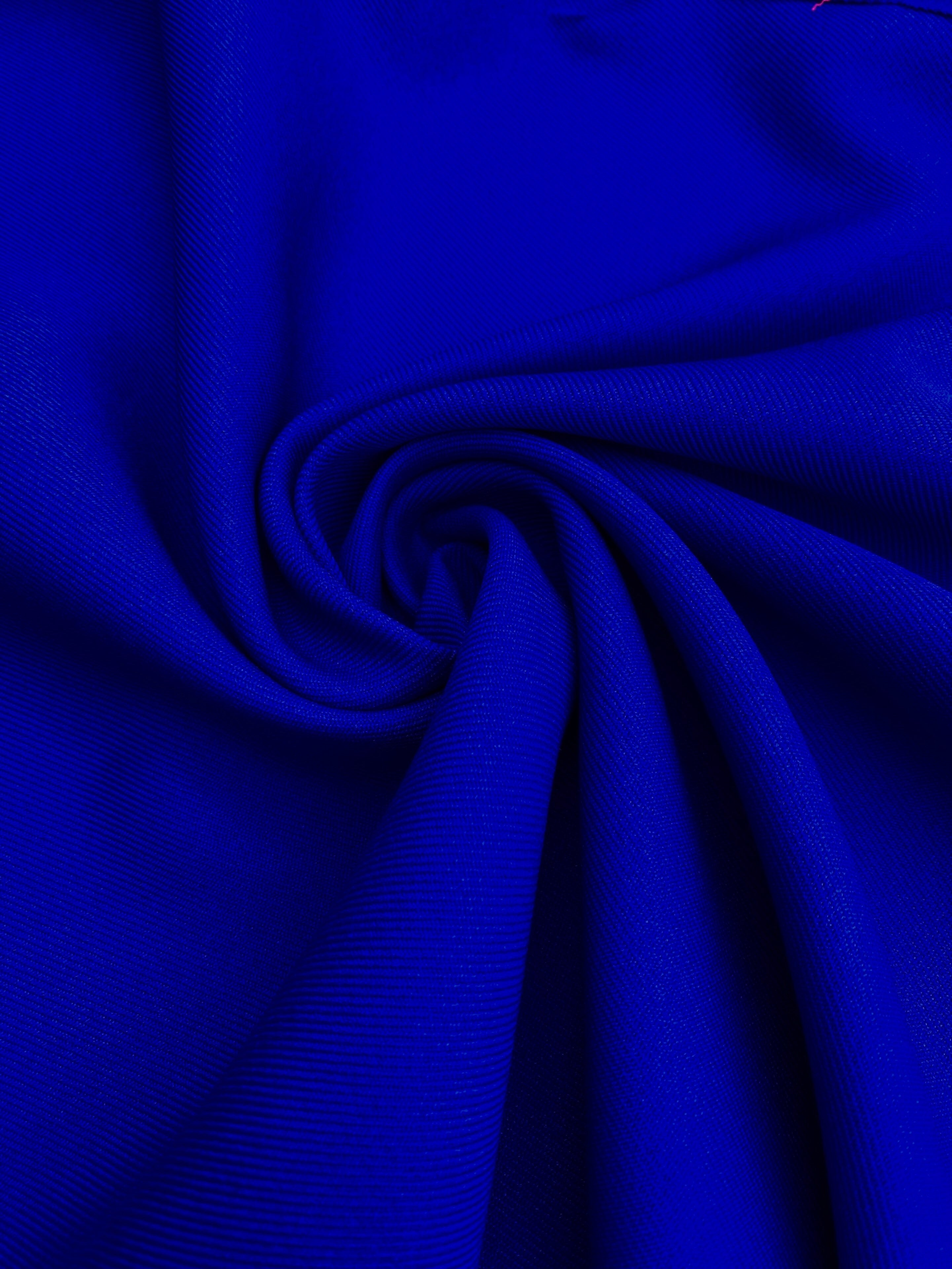
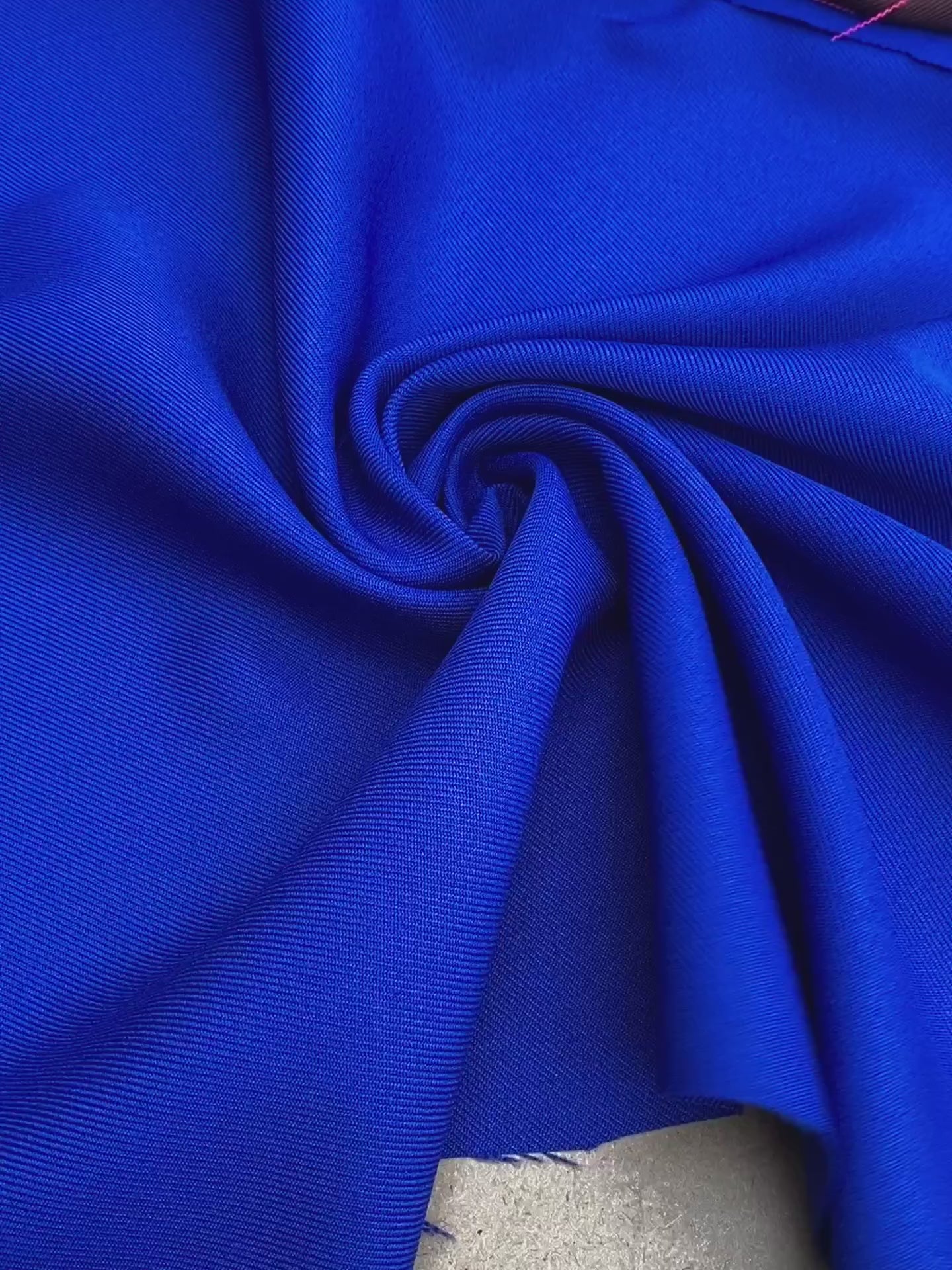
Gabardine
- Gabardine is excellent for sharp suiting because it holds shape and gives clean lines.
- It is stable and easier to control than slippery fabrics, which helps with precise tailoring.
- It can feel firmer than customers expect, so it is better for structure than for softness or fluid drape.
- Press carefully to avoid shine on the surface.
Twill
- Twill is dependable and usually easier to sew than very slippery fabrics.
- It gives body and structure, but can feel heavier and less fluid than softer suiting fabrics.
- Great for everyday tailored pieces that need durability.
- Bulk can build up in facings, collars, waistbands, and pocket areas.
Crepe
- Crepe is one of the best options for softer tailoring because it gives refinement without too much rigidity.
- It works well when customers want suiting that feels elegant and a little less formal.
- It shows fit and finishing clearly, especially in clean minimalist pieces.
- Good-quality crepe is beginner-friendlier than many slippery or heavily textured fabrics.
Stretch Suiting
- Stretch suiting is ideal when customers want a tailored look without giving up movement and comfort.
- Recovery matters just as much as stretch, especially in fitted blazers and slim trousers.
- It is often a safer choice than rigid suiting for close-fitting pieces.
- Great when the goal is polish with a little more forgiveness.
Ponte / Structured Knits
- Ponte is popular for suiting-inspired pieces because it offers comfort and stretch while still looking polished.
- Better for modern fitted pieces than for very traditional sharp tailoring.
- Recovery matters, especially in slim trousers and body-skimming jackets.
- A great option for customers who want easier wear and easier movement.
Poplin
- Poplin can create a crisp clean tailored look, but it is lighter than classic suiting fabrics.
- Better for warm-weather tailoring or simpler suiting-inspired pieces than for heavily structured classic suits.
- Good when customers want crispness without too much weight.
- It is usually better for lighter structure than for full formal tailoring.
- Choose classic suiting if you want blazers, trousers, or sets with a polished professional finish.
- Choose wool if you want refined suiting with warmth, body, and a more luxurious classic feel.
- Choose wool blends if you want tailored pieces with structure but a more wearable everyday feel than pure wool.
- Choose gabardine if you want sharp suiting, clean lines, and strong structure.
- Choose twill if you want durable tailored pieces with body and a more substantial look.
- Choose crepe if you want softer suiting with elegance, drape, and a more refined less rigid finish.
- Choose stretch suiting if you want fitted tailoring with more movement and comfort.
- Choose ponte or structured knits if you want a neater tailored look with more stretch and ease of wear.
Choose poplin if you want light crisp suiting-inspired pieces for warmer weather or simpler silhouettes.
Deluxe Gabardine
A favorite for blazers, trousers, matching sets, and clean polished tailoring.
Poly Poplin
A favorite because it’s very budget friendly.
Wool Blends
Loved for elevated suiting that feels refined without being too rigid or heavy.
Crepe
Popular for softer suiting, elegant workwear, and modern tailored silhouettes.
Stretch SuitingA go-to for fitted blazers, slim trousers, and suiting that needs a little more comfort.
- The same blazer or trouser pattern can look very different depending on whether the fabric is soft, structured, or stretchy.
- For traditional tailoring, body and pressability matter a lot.
- For fitted suiting, recovery matters just as much as stretch.
- Softer suiting creates a more fluid look, while structured suiting creates sharper lines.
- Heavier fabrics can add bulk at collars, lapels, waistbands, hems, and facings.
- If you want suiting to look truly polished, fabric choice matters just as much as the pattern.