





What Is Liquid Satin Fabric? Characteristics, Uses & Benefits
Ever touched a fabric that feels almost too smooth to be real? You have probably touched liquid satin fabric. It gets its name from its soft, flowing movement. Liquid satin fabric is almost weightless, making regular satin feel hard by comparison.
What Is Liquid Satin Fabric?
Liquid satin is a lightweight, high-sheen fabric made with a satin weave. It is commonly woven from polyester, but some varieties use silk or a liquid satin blend. The weave structure consists of yarns that float over others before interlacing, forming a shiny top surface and softer underside.
Why It's Called "Liquid" Satin (Not Just Satin)
The name is not marketing fluff. It describes how the fabric actually behaves.
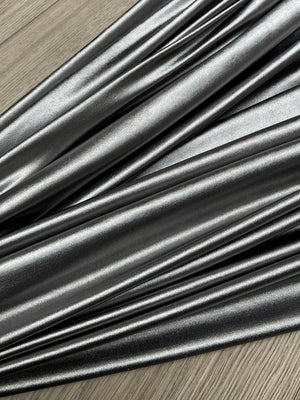
When you hold it up and let it fall, it cascades cleanly, almost like water. That is partly due to the smooth surface, somewhat due to its low weight, and to some extent to the tight but flexible satin weave. It gives in to gravity and follows the body.
Liquid satin refers to the lighter, more fluid end of that range. While all satin shares the same foundational weave, liquid satin stands apart for its uniquely flowing behavior. Regular satin can be made heavy or structured.
What Does Liquid Satin Feel and Look Like?
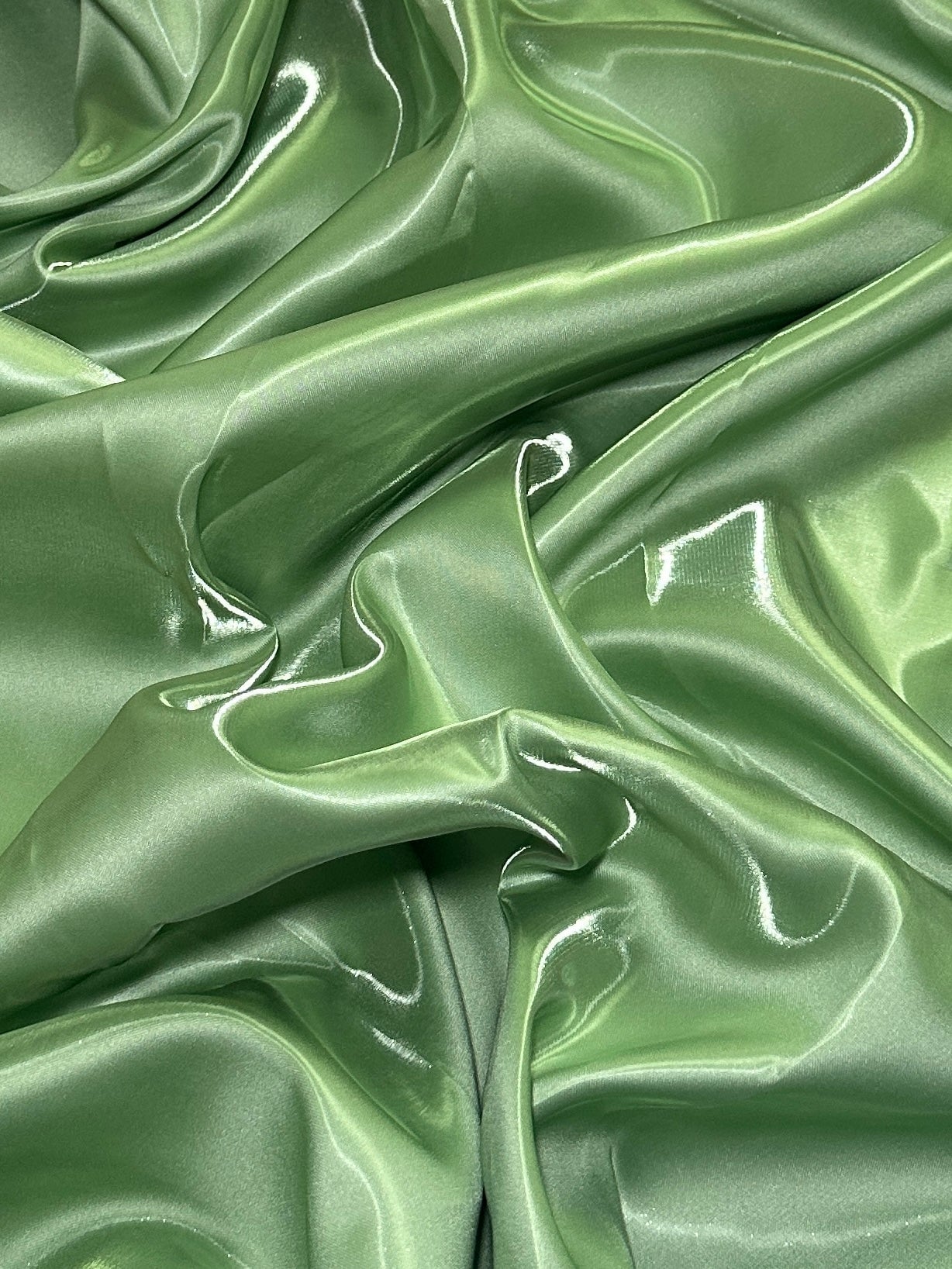
Running your hand across Liquid Satin, you will notice its slippery surface. There is very little resistance. The front side of liquid satin fabric is bright and reflective. It catches light better, especially under indoor lighting. The back side is matte by contrast. Think of it as two different fabrics joined as one. Sheen and drape affect fabric choice in fashion design, according to Vogue's fabric guide.
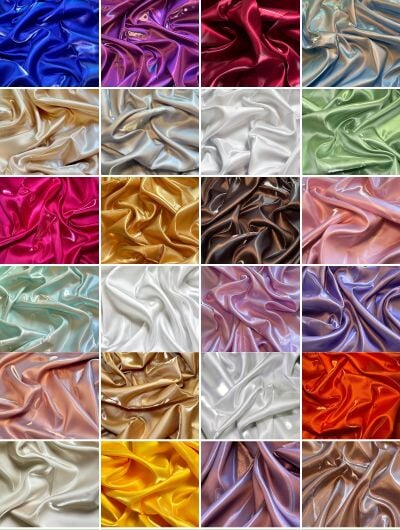
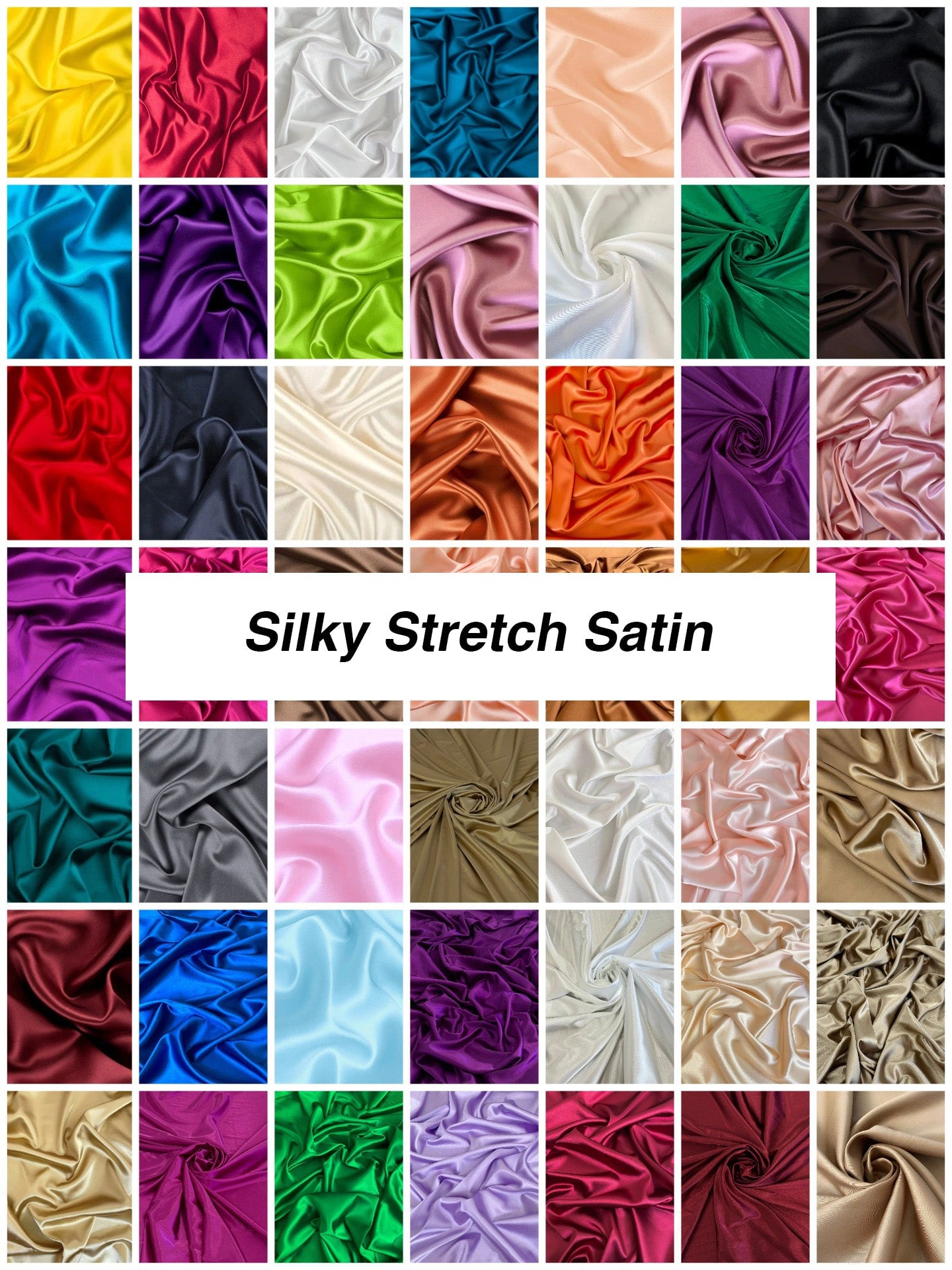
For its expensive look, it shows up in eveningwear and formal wear so often and has a gentle glow rather than a harsh shine. The color payoff is strong. Deeper tones like navy, black, and burgundy look especially rich on this material. Lighter shades like ivory or blush read as softly elegant.
Liquid Satin Characteristics
-
It is lightweight and usually sits right between 60 and 80 gm.
-
The drape flows naturally and falls into very smooth folds.
-
It maintains its shape well in standard cuts, and spandex blends offer added stretch for fitted styles.
-
Its close-knit weave retains warmth, making it a great choice for cooler-weather events.
-
It shines and is smooth on one side and matte and lighter on the other side.
-
It holds up well for such a thin material, and polyester versions are especially great at resisting daily wear and tear.
Liquid Satin Dress: Why It's a Popular Choice
The liquid satin dress has become a go-to for formal events, weddings, and evening occasions. The main reason? The fabric does most of the work. It skims the body, moves well when you walk, and photographs well under most lighting.
It is commonly used for:
-
Bridesmaids' gowns and bridal styles
-
Slip dresses and midi silhouettes
-
Blouses and tops where fluid drape matters
-
Evening dresses and gala looks
-
Liquid satin white dress styles for formal occasions
A liquid satin white dress picks up light beautifully without looking too shiny. It reads clean and elegant rather than flashy. If you're shopping for occasion wear, liquid satin and liquid chiffon are two of the most popular selections for flowing, elegant styles.
The Real Trade-Offs: Is Liquid Satin Worth It?
-
Liquid Satin shifts when you cut or stitch the fabric. Sharp scissors, fine needles, and careful pinning help, but it still takes practice.
-
Liquid Satin shows bumps, seams, or undergarments well.
-
It can feel warm after wearing it a while.
-
The surface can catch on rough jewelry, sharp objects, or nails.
Quick Answers Before You Buy
Does liquid satin wrinkle easily?
Liquid satin wrinkles less than many fabrics. Polyester versions resist wrinkles reasonably well. If creases appear, a steamer on a low setting refreshes the fabric. Direct ironing can crush the surface sheen, so it is best avoided.
Can beginners sew with it?
It’s tricky. If you are new to sewing, you should practice on a small piece first. Use fine pins, a sharp needle (size 70/10 or 75/11), and sew at a slower pace.
Is it too shiny for daytime wear?
It depends on the setting. In sunlight, the shine reads bright. Dream liquid satin in a muted or deeper tone tends to work better than pale or metallic shades in daytime. You can pair it with matte accessories. It also helps in balancing the overall look.
How Do You Wash and Care for Liquid Satin?
Care depends on the fiber content, so always check the label first. The Drycleaning & Laundry Institute notes that satin requires special handling due to its long yarn floats. The same feature that creates the sheen also makes it more delicate.
For polyester versions:
-
You can hand wash or use a delicate machine cycle
-
Use cold water and a mild detergent
-
You should not use bleach, as it can damage fibers and dull the surface
-
Don't wring or twist the fabric
-
Lay flat to dry in a shaded area away from direct sunlight
-
If ironing is needed, use the lowest heat setting with a pressing cloth
Silk-based versions need more care. Many are dry clean only. If you are in doubt, treat it gently and test a small hidden area first.
Final Take: Should You Choose Liquid Satin?
When the need of your project is a fabric that flows, photographs well, and looks elevated without the price tag, the right option to choose is liquid satin. This fabric works especially well for formal garments, occasion wear, and décor for a sleek, luminous finish.
FAQs
Is liquid satin the same as regular satin?
Not exactly. Both liquid satin and regular satin use a satin weave, but liquid satin is specifically the lighter and more fluid version. Regular satin can range from heavy duchess satin to medium-weight charmeuse. This fabric refers to the thinner, more flowing end of that range.
Is liquid satin stretchy?
Standard liquid satin has little to no stretch. Using spandex in a liquid satin blend adds elasticity and flexibility.
Does liquid satin fabric wrinkle easily?
Polyester is fairly wrinkle-resistant. So liquid satin can crease if packed tightly, but wrinkles usually smooth out or can be steamed away without much trouble.
Can beginners sew with liquid satin?
With the right tools and patience to handle its slippery nature, beginners can try sewing liquid satin. They can use sharp, fine pins, a suitable needle, and sew at a slower pace to maintain control.
Is liquid satin fabric sheer or see-through?
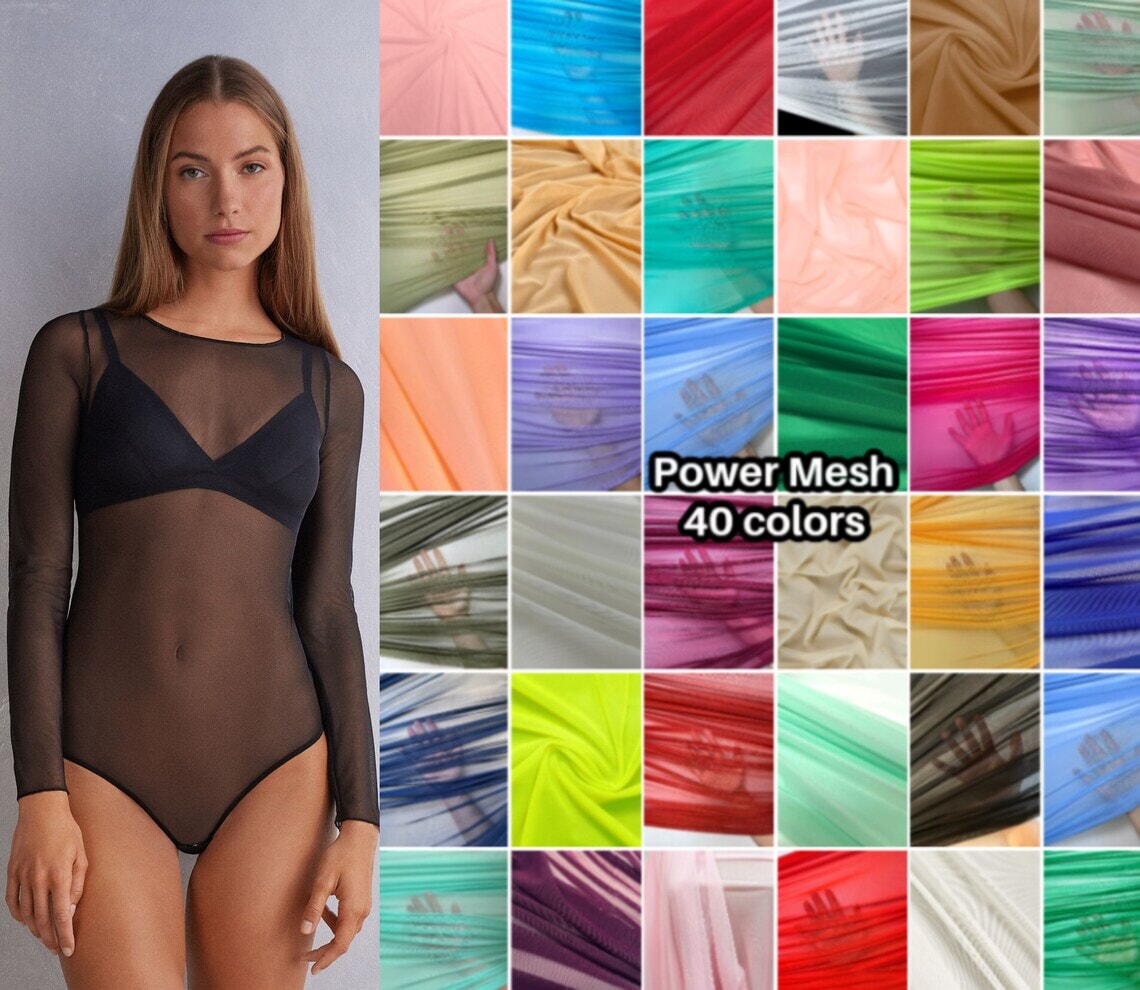
Most liquid satin holds its opacity well, and for lighter shades or very thin varieties, adding a lining is a simple and elegant solution.
How do you wash and care for liquid satin?
You can hand wash or machine wash polyester on a delicate cycle in cold water. Avoid bleach, wringing, or high heat. Dry flat in a shaded spot to preserve the sheen.
Is liquid satin good for hot weather or summer events?
Polyester doesn't breathe well, so it can feel uncomfortable in heat; therefore, liquid satin is not the best option for very warm or humid conditions.




Leave a comment