




How to Line, Hem & Finish Sequin Garments for a Professional Look
Knowing how to hem sequin dress styles the right way saves you from snapped needles and bald patches. Sequins look tough, but they fall off fast once you cut the thread behind them.
A good finish keeps sequin garments looking sharp and feeling comfortable. Learn lining, hemming and finishing, step by step. We also shows how to sew sequins on fabric for quick repairs.
Why Do Sequin Garments Need Special Finishing?
Sequins are tiny discs. Thread holds each one to a base cloth. Cut that base, and you cut the thread too.
The edges cause trouble as well. Loose sequins can scratch skin and snag other clothes. Raw edges on fabric with sequins also shed faster than they do on plain cotton. That's why garment lining, hemming and seam finishing matter so much here. Sequined fabric simply doesn't forgive a rushed job.
Sparkle doesn't seem to be fading, either. Woman & Home recently covered a red sequin outfit from this year's Met Gala and called the look wearable all year. More people are wearing sequins in eveningwear, formalwear and cocktail dress styles.
How to Prepare a Sequin Garment Before Lining and Finishing
If you're cutting sequin fabric for dress panels, run your hand over the surface first. You'll feel which way the sequins lie. Mark that direction on every pattern piece. Then cut one layer at a time with old scissors.
A new sewing needle in a heavier size, such as 90/14 or 100/16, often works well. Pick polyester sewing thread in the color of the base cloth.
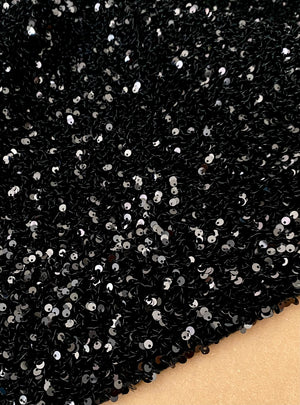
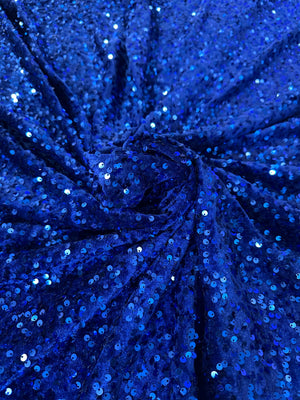
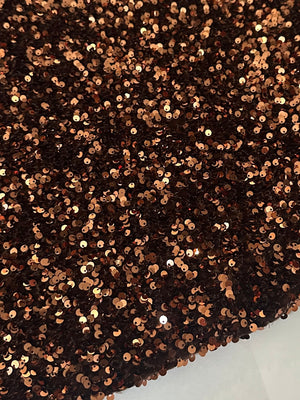
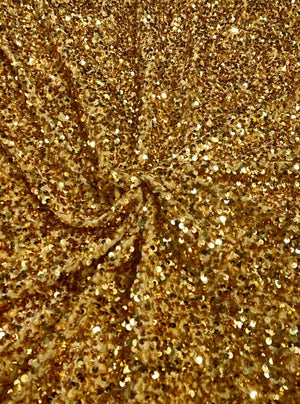
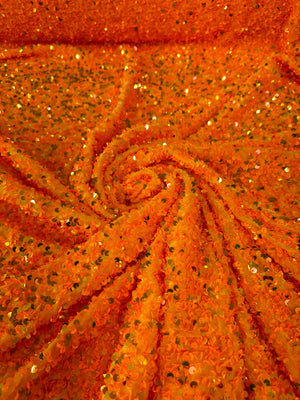
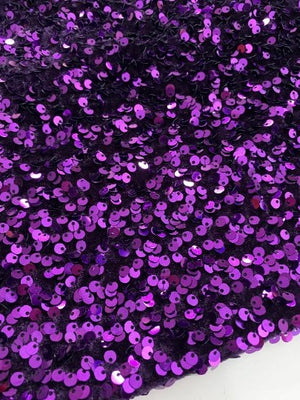
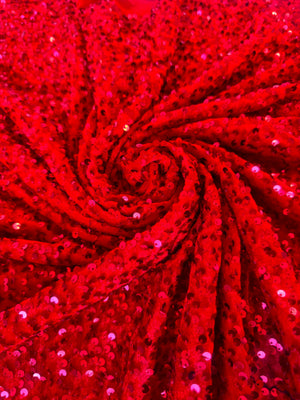
Test everything on a scrap before you touch the real thing. The Sequin on Velvet and Sequins Fabric Collection Page shows a range you can swatch and compare. Sequin velvet drapes differently, so test it too.
Also, read your sewing patterns before you cut. Many sequin dress sewing patterns use fewer seams, which gives sequins fewer places to cause trouble.
Learn to Choose the Right Lining for Sequin Fabric
Think of lining as a shield between the sequins and your skin. Choose a lining fabric that's lighter than the shell and matches its stretch.
|
Lining type |
Good for |
Keep in mind |
|---|---|---|
|
Polyester charmeuse |
Fitted, slinky styles |
Can slip while you cut |
|
Bemberg (cupro) |
Warm weather and comfort |
Costs more |
|
Stretch knit |
Stretchy sequin bases |
Needs a stretch needle |
For a sequin skirt, a breathable lining like Bemberg often feels better on warm nights. For a fitted cocktail dress, charmeuse is a common pick. Heavier sequin material fabric may need a firmer lining so the weight doesn't drag.
If you're shopping the sequin fabric collection, check each base before you pick a lining. When you order sequin fabric for dress projects online, buy the lining at the same time.
How to Line a Sequin Dress or Garment
Order matters in garment construction. Most dressmaking routines still work here, with a few changes. Many sequin dress sewing patterns include lining pieces. If yours doesn't, trace the shell pieces and cut the lining from those.
-
Cut the lining slightly shorter than the shell.
-
Sew the lining seams first. Press lightly on the wrong side. Heat can melt sequins, so use a pressing cloth and test a scrap.
-
Clear sequins from the seam allowance of the shell. Snip the thread, then pop the discs off.
-
Pin the lining to the shell at the neckline and armhole, right sides together. Stitch with a longer stitch length, then turn it right side out.
-
Sew in the zipper through the shell. Then finish the lining with hand stitching along the zipper tape.
Wondering how to sew sequin fabric to a lining around curves? Clip the curves and go slowly. On a sequin top, you can often line just the bodice.
How to Finish Sequin Seams and Raw Edges
Seam finishing keeps raw edges from shedding. A standard overlock can jam on sequins.
-
Bind the edge with hem tape or soft seam tape, then stitch it by hand.
-
Zigzag over the edge with a sewing machine and a stretch needle.
-
Let the lining cover the seams on a fully lined dress.
-
Dab on a fray sealant, but test it on a scrap first. Some products stain.
Clear the sequins before you start. Sewing sequins on the seam line breaks needles. Stitching sequins by machine can also leave uneven, messy stitches. Loosely woven sequin fabrics tend to fray more, so bind those edges early.
How to Hem Sequin Fabric Without Damaging the Sequins
This part worries most people.
Here's the short version of how to hem sequin dress styles that have sequins all over. First, pin the new length while you wear your shoes. Then remove sequins from the hem allowance so the fold stays flat. Stitching sequins into the fold adds bulk and makes hand sewing harder.
Next, fold the edge up once and place hem tape over the raw edges. Finish with a blind hem or slip stitch worked by hand. Oregon State University Extension explains both in its hand sewing skills guide and describes the slip stitch as an invisible finish for folded edges.
Use a thin needle and a single strand of thread. Pick up only a thread or two of the base cloth, so nothing shows on the front. A machine blind hem might work on lighter pieces. Try it on a scrap of sequined fabric first.
How to Handle Sequins Around Hems and Seam Allowances
Removing sequins leaves a bare edge, and that's fine. You just need to secure what's left.
Some fabrics hold sequins on a long chain of thread. If yours does, cut carefully and knot the loose end so the row doesn't run. Then save the discs you remove. A tray under your work catches most of them.
Sometimes you'll take off too many near an edge. In that case, sew on sequins by hand to fill the gap. Here's how to sew sequins on fabric: bring a threaded needle up through the base, slide on one sequin, and go back down through its hole. Add a tiny backstitch, repeat, and knot on the wrong side. Sewing sequins by hand also gives you more control than a machine does.
If you plan ahead, buy sequin fabric by the yard with a little extra. You can then reuse matching discs for repairs.
FAQs
Do Sequin Dresses Need Lining?
A lining protects your skin, hides raw edges and helps the dress hang better.
What Is the Best Lining for a Sequin Dress?
Polyester charmeuse suits fitted styles, and Bemberg works well in warm weather. Pick something smooth, and match the stretch of your sequin fabric.
How Do You Hem a Sequin Dress?
Remove the sequins from the allowance and fold the edge once. Add hem tape if you like. Then finish by hand with a slip stitch. The hemming section above has the full steps.
Should You Remove Sequins From the Hem?
Sequins in the fold add bulk and can break needles. If you remove too many, you can sew on sequins again afterward.
How Do You Finish Sequin Fabric Edges?
Bind them with hem tape, cover them with a lining, or zigzag over them.
How Do You Sew a Clean Seam on Sequin Fabric?
Here's how to sew sequin fabric for a clean seam. Clear the sequins from the seam allowance first. Then use a longer stitch, a walking foot and a fresh needle. Thick sequin material fabric may need an even longer stitch.
How Do You Finish the Neckline of a Sequin Dress?
Line the neckline instead of adding a heavy facing, or bind it with soft tape. Remove sequins along the edge so nothing rubs your neck.
How Do You Keep Sequins From Scratching the Skin?
A full lining does most of the work. Cover every raw edge with tape or lining. Fabric with sequins can feel rough at the seams, so check them. Skin reactions to clothes often come from dyes and finishes more than from the fibre itself, according to a 2019 review of textile contact dermatitis. If your skin reacts, talk with a doctor.




Leave a comment