




Types of Sequin Fabric: A Sewist's Guide to Materials, Textures & Uses
Sequin material fabric comes in more styles than most people expect. Some pieces feel soft and stretchy and some feel stiff and heavy. The base cloth, the sequin size, and the way sequins attach all change how a piece looks and sews. We discussed the main types below, so you can pick the right one for your next project.
What Is Sequin Fabric?

Sequin fabric is cloth with small, shiny discs attached to its surface by sewing, gluing, or weaving those discs onto a base. You'll also hear it called sequin material or sequined fabric. Sequins have a long history, and Britannica gives a short overview of how they developed.
How Is Sequin Fabric Made?
There are few ways mills attach sequins. Machines often stitch long strings of sequins onto a base in rows. Some makers use glue and others sew each disc by hand for special pieces. Stitched rows usually hold up better, though quality can vary between mills. That's why two pieces of fabric with sequins can look alike but behave very differently. To understand better, order fabric swatches first if you plan to buy a lot.
Types of Sequin Fabric by Base Material
|
Base |
Feel |
Good for |
|
Sequin mesh |
Light, airy, stretchy |
Dancewear and overlays |
|
Sequin tulle |
Sheer, soft, floaty |
Bridal fabric and skirts |
|
Sequin chiffon |
Very light, flowing |
Scarves and loose tops |
|
Sequin satin |
Smooth, glossy |
Slip dresses and blouses |
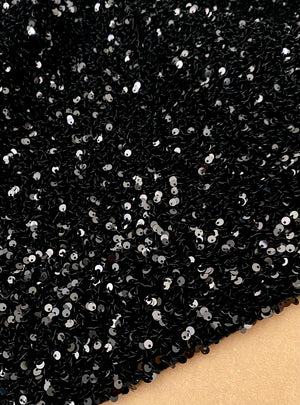
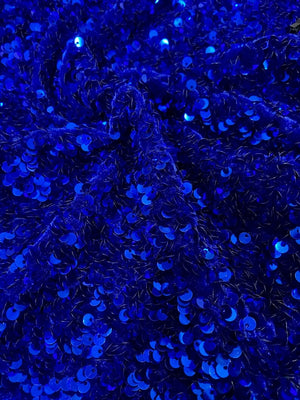
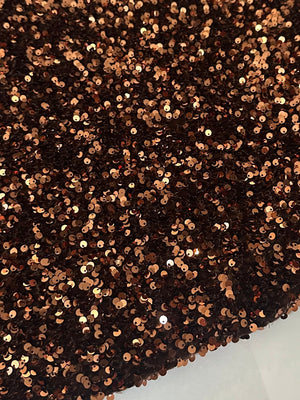
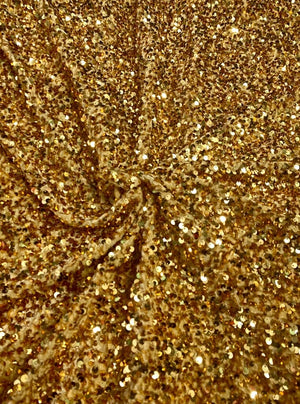
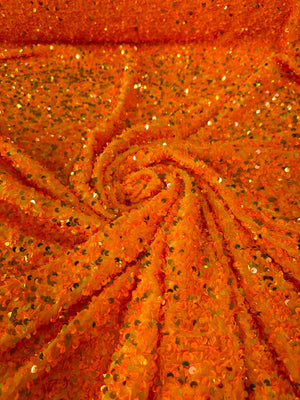
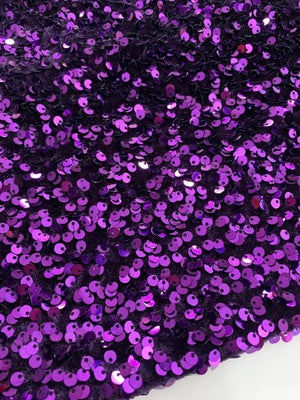
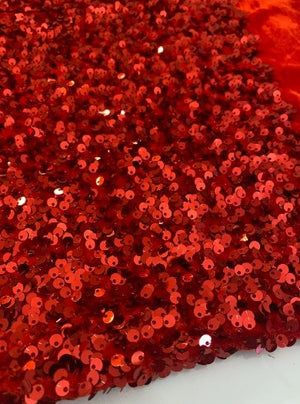
If using velvet as base, Sequin velvet fabric has a plush pile with sequins sitting on top. This velvet sequin fabric, drapes well and feels warm, so it suits winter eveningwear. You may also find velvet with sequins in jackets and evening bags.
Sequin Satin and Other Smooth Base Fabrics

Sequin satin has a smooth, glossy back and feels cooler on the skin than mesh does. Smooth bases can show needle holes, therefore you should test your sewing needles on a scrap first. Crepe and jersey bases are also there, Jersey adds stretch and comfort.
Sequin Size, Shape, and Density Affect Fabric
-
Size: Small sequins bend easily and feel softer. Large ones look bold but feel stiffer.
-
Shape: Flat discs lie smooth. Cupped ones tend to sparkle more.
-
Density: Heavy coverage adds weight and shine. Sparse coverage drapes better. Denser sequin embellishments can also feel rough on skin.
How to Select Sequin Fabric for Different Sewing Projects
A sequin fabric for dress project needs good drape, so mesh or satin often works well. For cocktail dresses, velvet looks rich. Dancewear needs stretch. Costume fabric can be bolder and stiffer. Magazines like Vogue often show how a sequin dress moves from party wear into daytime looks, which can help with color and style choices. To compare bases side by side, browse our sequin fabrics.
How Does Sequin Fabric Affect Sewing and Construction?

Sequins can dull or snap needles so keep a few spares nearby. Set your sewing machine to a longer stitch and use strong sewing thread, and remove sequins from the seam allowance first, then stitch a clean seam. Hand sewing sequins near edges takes patience, but it gives neat results. If you're new to this, our guide on how to sew sequin fabric covers the steps in more detail.
Caring for Sequin Fabric and Finished Garments
The key thing is to check the care label. In the US, the FTC care labeling rule asks makers to attach care instructions.
-
Use a gentle hand wash in cool water and turn the garment inside out. Press water out with a towel instead of wringing it.
-
Dry the sequin fabric flat. Skip high heat, since it may damage some sequins.
-
Store the sequin pieces flat or loosely rolled.
If you are ready to start your project, you can check our sequin fabric collection at KikiTextiles and order a few fabric swatches first.
How Sequin Fabric Differ in Weight, Texture, and Drape
-
Mesh and chiffon feel light and flow easily.
-
Satin has a smooth hand.
-
Velvet feels plush and heavier.
Dense sequins add weight, which can help a skirt hang well, may also strain thin straps. Texture changes too sequins lie in one direction, so one stroke feels smooth and the other feels rough. This matters with sequined fabric layouts.
What Is the Difference Between Stretch and Non-Stretch Sequin Fabric?
Stretch sequin fabric moves with the body, so it suits dancewear and fitted dresses. Non-stretch sequin fabric holds its shape. It works better for structured pieces and bags. Stretch types usually sew best with a stretch needle and a narrow zigzag stitch. Non-stretch types need careful fitting, since they don't give. You can find both as sequin fabric by the yard.
How Should You Handle and Cut Sequin Fabric?
Cut one layer at a time. Use older scissors, since sequins can dull blades. Lay the fabric face up and pin inside the seam allowance only. Cover your work area, because loose sequins travel. If a few fall off, you can sew on sequins again with small stitches. Our dressmaking tutorials show how to sew sequins on fabric with a simple backstitch.
Frequently Asked Questions
What are the Different Types of Sequin Fabric?
Common types include mesh, tulle, chiffon, satin, and velvet bases. You can also split them into stretch and non-stretch groups.
What Is Sequin Material Fabric?
It's a general term for cloth covered in sequins. Shops use it for any base with attached discs.
What Is the Difference Between Sequin Fabric and Fabric With Sequins?
Not much. Sequin fabric usually means the sequins are part of the cloth. Fabric with sequins can also mean plain cloth that someone decorated later.
What Is Sequin Velvet Fabric Used For?
People use it for jackets, gowns, and accessories. Velvet sequin fabric also works for pillows and small crafts.
What Is the Best Sequin Fabric for a Dress?
Mesh and satin drape well. Stretch versions fit closely. For a rich look, velvet with sequins is worth a try. Test any sequin fabric for dress projects on a swatch first.
Is Sequin Fabric Difficult to Sew?
It can feel tricky at first. Needles, bulk, and loose sequins cause most problems. Go slowly, since sewing sequins takes patience. Read our tips on how to sew sequin fabric. Practice on scraps before you sew on sequins near a seam.
How Do You Sew Sequins on Fabric?
Here's how to sew sequins on fabric by hand. Use a needle and strong thread. Come up through the sequin hole, then go down at its edge. Backstitch to secure it.




Leave a comment