



What Is Satin? The Complete Satin Fabric Guide
What Is Satin?
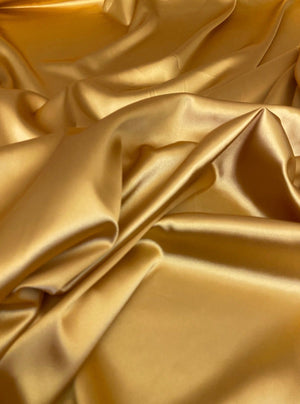
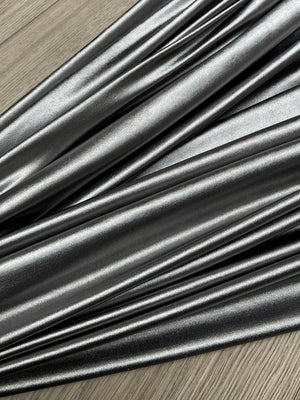
Satin is a type of weave, not a type of fiber. It produces fabric with a smooth, glossy face and a duller back, and that sheen is the reason satin reads as luxurious the moment you see it. Alongside plain weave and twill, satin is one of the three foundational weaves that nearly every woven textile traces back to.
This is the single point that trips most people up. Silk, cotton, and wool are raw materials. Satin is the pattern those materials can be woven into. You can weave silk into a satin, but silk woven into a plain weave is not satin. The weave makes the satin, not the fiber.
Here is the short version if you only remember one thing: satin is a weave that floats yarns across the surface of the cloth to create shine. Everything else, the fiber, the weight, the drape, is a variable layered on top of that one structural idea.
Where satin comes from
Satin's name carries its history. The weave developed in the Chinese port city of Quanzhou, known in medieval Arabic as Zaitun, and the word "satin" descends from that name. It moved west along the Silk Road, reached Italian looms in the twelfth century, and spread across Europe by the fourteenth. For centuries it was made only from silk, which made it expensive and turned it into a status symbol reserved for royalty, the church, and the wealthy. Louis XIV famously used satin to upholster furniture at the Palace of Versailles. Synthetic fibers eventually made satin affordable, but the association with luxury never left.
Satin vs Silk vs Sateen: Clearing Up the Confusion
Three words get used as if they mean the same thing. They do not. Getting this right is the difference between buying the fabric you want and being disappointed when it arrives.
|
Term |
What it actually is |
Key traits |
|---|---|---|
|
Silk |
A natural protein fiber spun by silkworms |
Breathable, temperature-regulating, biodegradable, premium price |
|
Satin |
A weave, usually made from filament fibers |
Glossy face, matte back, smooth drape, made from many possible fibers |
|
Sateen |
The same weave family, made from short-staple cotton |
Softer matte sheen, more breathable, more absorbent, wrinkles more easily |
Satin vs silk

Silk is a fiber. Satin is a weave. A fabric can be both at once, and "silk satin" simply means silk fiber woven in the satin pattern, which is the original and most luxurious form of the cloth. But most satin sold today is polyester or another synthetic, so the two are not interchangeable. All silk satin is silk, but most satin is not silk.
Satin vs sateen

This is the distinction almost every guide gets vague about. The weave is nearly identical, but the fiber length changes what you call it:
-
Satin uses long filament fibers (silk, polyester, nylon, rayon). It is typically warp-faced, meaning the lengthwise yarns float on top, and it reads shinier and cooler.
-
Sateen uses short-staple cotton yarns. It is weft-faced, softer, more matte, more breathable, and more absorbent, but it wrinkles more and pills over time.
If a fabric feels crisp and glossy, you are likely holding a satin. If it feels soft, matte, and cottony with a gentle sheen, that is sateen.
How Satin Is Made: The Satin Weave Explained
Woven fabric is built from two sets of yarns. The warp runs lengthwise on the loom and stays fixed. The weft runs crosswise and passes over and under the warp. How often those two cross is what defines a weave.
In a plain weave, the yarns interlace one over, one under, tightly and evenly, which produces a matte, sturdy cloth. Satin does the opposite. It lets one set of yarns "float" across several of the other before tucking under a single yarn, then repeats. Those long floats sit uninterrupted on the surface, reflecting light in one smooth plane instead of scattering it. That is the entire secret behind satin's shine.

Because the interlacing points are spaced far apart and staggered, the surface stays glossy on the float side and dull on the reverse, where the opposite yarns dominate.
Weavers describe satin by how far the yarn floats, often called the harness or "end" count:
-
4-harness (crowfoot) satin: the yarn passes over three, under one. More flexible than plain weave, with a subtler sheen.
-
5-harness satin: over four, under one. A common, balanced construction.
-
8-harness satin: over seven, under one. The most pliable and the highest shine, since the floats are longest.
Longer floats mean more luster and better drape, but also a surface that snags more easily. That trade-off is baked into the weave itself.
What Is Satin Made Of? Fibers and Materials

Satin can be woven from any long filament fiber, and the fiber decides how the finished fabric behaves. The weave gives you the shine. The material gives you the feel, the price, and the performance.
|
Fiber |
Feel & performance |
Price |
Best for |
|---|---|---|---|
|
Silk |
The original satin. Naturally lustrous, soft, breathable, temperature-regulating |
High |
Bridalwear, high-end gowns, fine lingerie, ties |
|
Polyester |
Durable, wrinkle-resistant, holds color well, less breathable |
Low |
Everyday apparel, linings, event decor, costumes |
|
Nylon |
Strong, lightweight, wrinkle-resistant |
Low to mid |
Activewear, swimwear, linings |
|
Rayon |
Semi-synthetic, close to silk in drape and feel |
Mid |
Dresses, blouses, garment linings |
|
Acetate |
Crisp with a bright sheen, holds structure |
Mid |
Formalwear, linings, decorative uses |
|
Cotton |
Matte, breathable, soft (technically produces sateen) |
Low to mid |
Bedding, casual apparel, warm-weather pieces |
The practical takeaway: two fabrics can both be called satin and behave nothing alike. Silk satin breathes and regulates temperature. Polyester satin traps heat but survives the washing machine and costs a fraction as much. Always check the fiber content, not just the word "satin," before you buy.
Types of Satin Fabric
The word "satin" covers a family of fabrics that differ by weight, fiber, and finish. These are the types worth knowing when you are choosing satin fabric for a project.
|
Type of satin |
Weight & character |
Common uses |
|---|---|---|
|
Charmeuse |
Lightweight, fluid, high shine, dull reverse |
Lingerie, blouses, drapey dresses, linings |
|
Heavy, stiff, structured, lower luster |
Ball gowns, wedding dresses, structured bodices |
|
|
Satin on one face, crepe texture on the other, reversible |
Dresses, tops, designs that use both textures |
|
|
Antique satin |
Heavier with a dull sheen, slubbed weft yarns |
Curtains, upholstery, home decor |
|
Messaline |
Very lightweight, loosely woven, high shine |
Linings, soft evening pieces |
|
Slipper satin |
Tightly woven, medium weight, matte surface |
Shoes, accessories, craftwork, structured clothing |
|
Hammered satin |
Crinkled, textured surface that catches light unevenly |
Evening wear, decorative fashion |
|
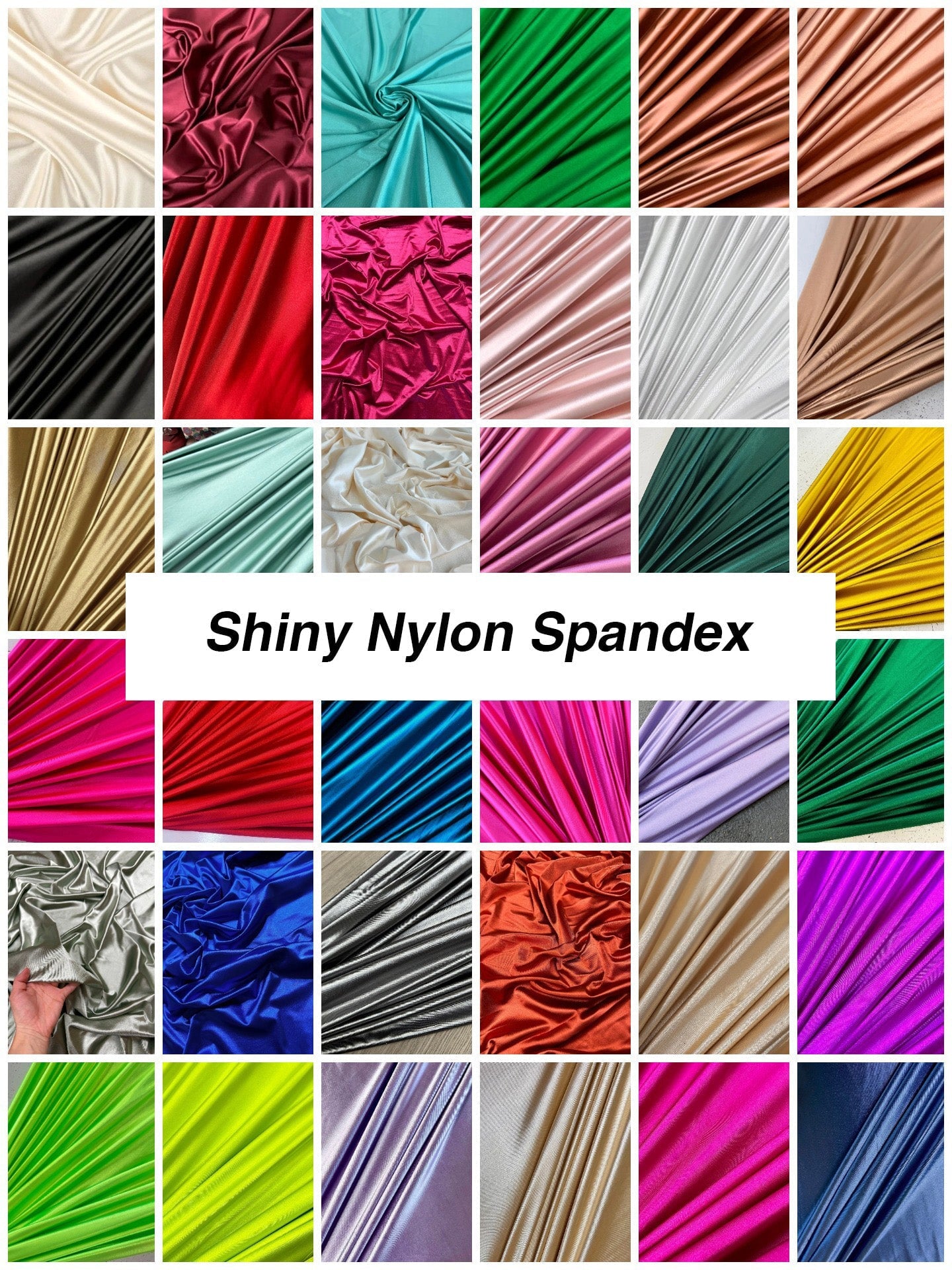
Satin blended with spandex for give |
Fitted gowns, bridalwear, dancewear |
|
|
Polysatin |
Shorthand for any polyester satin |
Budget apparel, event and party decor |
|
Double-face satin |
Glossy on both sides, sometimes with different patterns |
Ribbon, reversible garments, trims |
If you take one shortcut from this table: charmeuse for flow, duchesse for structure. Those two cover most decisions.
Satin Characteristics: The Real Pros and Cons
Satin earns its reputation, but no fabric is right for everything. Here is the honest breakdown.
What satin does well
-
Luxurious look and feel. The signature sheen and smooth hand are hard to fake with any other weave.
-
Beautiful drape. Satin falls in fluid, flattering lines, which is why it dominates eveningwear.
-
Surprisingly strong. Long filament yarns woven under tension make satin more durable than many plain weaves of similar weight.
-
Wrinkle-resistant. It resists creasing better than most fabrics, and heavier satins resist it even more.
-
Takes print and color well. The smooth face displays vibrant color and sharp printed detail.
-
Low friction. The slick surface is gentle on skin and hair, which has made satin popular for bedding and pillowcases.
Where satin falls short
-
Snags and pulls easily. Those surface floats catch on jewelry, rough nails, and zippers.
-
Slippery to sew. The fabric shifts under the machine, so it is unforgiving for beginners.
-
Shows water marks. Some satins, especially silk, spot if they get wet unevenly.
-
Can trap heat. Polyester and nylon satins are less breathable than silk or cotton.
-
Needs careful cleaning. Most satins prefer hand washing or the gentle cycle over rough handling.
Satin Fabric Uses
Because the weave works across so many fibers and weights, satin fabric uses stretch from the runway to the sofa. The most common are:
-
Eveningwear and bridalwear. Gowns, wedding dresses, and formal separates rely on satin for drape and shine.
-
Lingerie and loungewear. Charmeuse and lightweight satins are staples for camisoles, slips, robes, and pajamas.
-
Linings. Satin's slick surface helps jackets and coats slide on and off easily.
-
Bedding and pillowcases. Satin sheets and cases are prized for their smooth, cool feel.
-
Home decor. Antique and heavier satins appear in upholstery, cushion covers, drapery, and table linens.
-
Accessories and trims. Ribbon, ties, evening bags, and decorative details.
-
Dancewear and performance. Satin covers ballet pointe shoes and features heavily in costumes and stagewear.
Is Satin Good for Dresses?

Yes, and it is one of the most popular dress fabrics there is, but the type of satin matters more than the label. Satin's drape and light-catching surface make it a natural choice for gowns, but different dresses want different satins:
-
Structured gowns and formal bodices: Duchesse satin. It holds its shape and creates clean, architectural lines.
-
Flowing, bias-cut, or slip dresses: Charmeuse or messaline. They pour over the body and move as you do.
-
Fitted or dance-friendly dresses: Stretch satin, which adds spandex for comfortable movement.
-
Everyday or budget dresses: Polyester satin, which resists wrinkles and cleans easily.
One caution for warm climates or long events: synthetic satins can feel hot because they trap heat. If breathability matters, look for silk satin or a cotton-blend option.
Is Satin Good for Your Hair and Skin?
This question drives a lot of satin searches, so it deserves a straight answer.
The benefit is real but modest, and it comes down to friction. Satin's smooth surface lets hair and skin glide instead of dragging. Dermatologists point out that less friction generally means less tugging on the hair cuticle, which can reduce frizz, tangling, and breakage, an effect that people with curly, textured, fine, or fragile hair tend to notice most. Because satin also absorbs less moisture than cotton, it keeps more of your skin's natural oils and your applied skincare on your skin rather than wicking them into the pillow.
What satin will not do is reverse aging or replace a skincare routine. The reduction in temporary sleep creases is genuine, but the evidence that pillowcase fabric alone prevents permanent wrinkles is limited. And there is a catch worth knowing: polyester satin can trap heat and oil against the skin, so people with acne-prone or sensitive skin sometimes do better with silk, which breathes and manages moisture more effectively. Satin delivers most of silk's friction benefit at a much lower price, which is exactly why it is so popular. Silk simply does it a little better.
How to Wash and Care for Satin
Most people ruin satin the same two ways: hot water and rough handling. Avoid both and satin lasts for years. Here is the routine.
Step 1: Read the care label first. Fiber content changes everything. Silk satin is delicate and often says hand wash or dry clean. Many polyester satins tolerate a gentle machine cycle. If the label says "dry clean only," believe it.
Step 2: Pretreat stains gently. Blot, never rub. Use a mild detergent or an enzyme stain remover made for delicates, and test it on a hidden spot first. For oil, lift it with an absorbent powder like cornstarch before washing. Act fast, because set stains are far harder to remove.
Step 3: Hand wash when in doubt. Fill a basin with cold or lukewarm water (not above roughly 25°C / 77°F). Add a small amount of delicate detergent. Turn the item inside out, submerge it, and agitate gently by hand. Soak three to five minutes, no longer, then rinse in cool water until it runs clear.
Step 4: If machine washing, protect it. Place the item in a mesh laundry bag, use the delicate cycle with cold water and mild detergent, and skip the fabric softener and bleach, both of which damage the finish.
Step 5: Dry without wringing. Never wring or twist satin, which stretches the weave and can leave permanent creases. Press the water out between two clean towels, then lay the item flat or hang it on a padded hanger. Air dry away from direct sunlight and heat.
Step 6: Iron on low, inside out. Use the lowest heat setting with a pressing cloth between the iron and the fabric, or steam it instead. Keep the iron moving.
Step 7: Store it right. Hang structured pieces on padded hangers and keep satin in a cool, dry, breathable garment bag, away from sunlight and sharp objects. Skip plastic bags, which trap moisture.
Quick satin care checklist
-
Check the care label before anything else
-
Cold or lukewarm water only
-
Mild detergent for delicates, never bleach or fabric softener
-
Mesh bag and gentle cycle if machine washing
-
Press out water in a towel, never wring
-
Air dry flat or on a padded hanger, out of sunlight
-
Iron on low with a pressing cloth, or steam
-
Store in a breathable bag, away from sharp objects
How to Choose the Right Satin
Instead of asking "which satin is best," ask "best for what." Match the fabric to the job:
|
Your project |
Reach for |
Why |
|---|---|---|
|
Structured gown or bodice |
Duchesse satin |
Holds shape, clean lines |
|
Flowing dress, slip, or blouse |
Charmeuse |
Fluid drape, soft hand |
|
Lingerie or loungewear |
Lightweight charmeuse |
Smooth, cool, gentle on skin |
|
Jacket or coat lining |
Polyester or acetate satin |
Slick, durable, affordable |
|
Bedding or pillowcases |
Cotton sateen or silk satin |
Breathable and skin-friendly |
|
Curtains or upholstery |
Antique or heavy satin |
Weight and structure |
|
Fitted or dancewear |
Stretch satin |
Movement and recovery |
|
Budget event decor |
Polysatin |
Cheap, colorful, wrinkle-resistant |
Two habits save money and regret: order a swatch before committing to yardage so you can judge color, weight, and drape in person, and always confirm the fiber content rather than trusting the word "satin" on its own.
Common Mistakes to Avoid
-
Assuming satin means silk. Most satin is synthetic. Check the fiber content every time.
-
Buying on shine alone. A high-gloss cheap satin can look plasticky in person. Weight and drape matter as much as luster.
-
Cutting without prepping. Satin shifts constantly. Skipping stabilizing steps leads to crooked seams.
-
Using pins in the body of the fabric. Pin holes show. Pin inside seam allowances or use clips instead.
-
Pressing on high heat. Synthetic satins scorch and glaze fast. Low heat and a pressing cloth are non-negotiable.
-
Wringing it out. The fastest way to permanently crease satin.
Expert Tips for Working With Satin
-
Cut in a single layer whenever possible to stop the two layers from sliding out of alignment.
-
Use fine, sharp needles (a fresh microtex or size 60/70) and a shorter stitch length to prevent puckering and snags.
-
Stabilize slippery seams with tissue paper or a walking foot so the fabric feeds evenly.
-
Finish raw edges with a French seam or serger, since satin frays quickly.
-
Store off-cuts flat, not folded, so hard creases do not set into the yardage.
-
Test your iron and detergent on a scrap first, every time, because satins from different fibers react differently.
Conclusion
Satin is not a material. It is a weave, one of the three that underpin nearly all woven cloth, defined by long floating yarns that catch the light and give the fabric its signature sheen. Because that weave can be built from silk, polyester, nylon, rayon, and more, "satin" describes a whole family of fabrics with very different price points and personalities. Understand the weave, check the fiber, match the type to your project, and treat it gently in the wash, and satin rewards you with drape and shine that few other fabrics come close to.
Ready to work with it? Explore our full satin collection to feel the difference between charmeuse, duchesse, and crepe-back for yourself, and order swatches before you commit to yardage.
FAQ
What is satin in simple terms?
Satin is a way of weaving fabric, not a material. It floats yarns across the surface so the fabric turns out smooth and shiny on the front and dull on the back. It can be made from silk, polyester, nylon, and other long fibers.
Is satin natural or synthetic?
Either. Satin describes the weave, so the answer depends on the fiber. Silk satin is natural, while polyester and nylon satins are synthetic. Most satin sold today is synthetic because it costs less.
Is satin the same as silk?
No. Silk is a natural fiber and satin is a weave. Silk can be woven into satin, called silk satin, but most satin is not silk. All silk satin is silk, but most satin is not.
What is the difference between satin and sateen?
The weave is nearly the same, but the fiber differs. Satin uses long filament fibers and looks glossy and cool. Sateen uses short-staple cotton and feels softer, more matte, and more breathable, though it wrinkles more easily.
Is satin good for dresses?
Yes. Satin's drape and sheen make it a favorite for gowns and formalwear. Use duchesse satin for structured styles and charmeuse for flowing, bias-cut designs.
Does satin wrinkle easily?
Less than most fabrics. Satin resists wrinkles well, and heavier satins resist them even more. It does crease permanently if you wring or fold it hard, so handle it gently.
Is satin good for your hair and skin?
It can help. The smooth surface reduces friction, which can mean less frizz, tangling, and breakage, and it absorbs less moisture than cotton. The benefit is modest, and silk does it slightly better, especially for sensitive or acne-prone skin.
How do you wash satin without ruining it?
Check the label, use cold or lukewarm water with a mild detergent for delicates, and hand wash when in doubt. Never use bleach or fabric softener, never wring it, and air dry flat away from sunlight. Iron on low with a pressing cloth.
Why is some satin expensive and some cheap?
The fiber sets the price. Silk satin is costly because silk is a premium natural fiber. Polyester and nylon satins deliver the same shine for far less, which is why they are so common.
Is satin durable?
More than you might expect. The long yarns are woven under tension, making satin stronger than many plain weaves. Its main weakness is snagging, since the surface floats catch easily.



Leave a comment