






How to Hem, Line & Finish Velvet Garments (Including Zippers)
To hem a velvet dress, mark the hem while the dress is worn, trim any extra length, and sew the hem by hand with a loose blind hem stitch so no stitches show on the pile. Then steam the hem from the wrong side instead of pressing it flat. Stretch velvet can also be hemmed with a twin needle or simply left raw, because knit velvet doesn’t fray.
Hems, linings and zippers are where a velvet garment starts to look homemade or professional. Velvet’s pile marks easily, shifts under the needle and shows every crease, so these final steps need a gentler approach than cotton or polyester woven.
Most of that gentleness comes down to understanding velvet fabric types and properties, especially pile and nap direction. This guide puts that knowledge to work on hems, linings, zippers and seam finishing.
How to Hem a Dress: Essential Techniques for Velvet Garments
The best way to hem a dress made of velvet depends on whether the velvet is woven or knit.
|
Hemming technique |
Best for |
Result |
|
Hand blind hem or catch stitch |
Woven velvet, formal dresses |
Invisible from the right side |
|
Machine blind hem stitch |
Woven velvet, casual garments |
Nearly invisible, faster |
|
Twin needle |
Stretch velvet |
Stretchy, sporty finish |
|
Narrow zigzag |
Stretch velvet |
Flexible and quick |
|
Raw edge |
Stretch velvet |
Soft, flat, no bulk |
For woven velvet, allow a deeper hem, about 4–5 cm (1½–2 in), so the weight helps the garment hang well. Stretch velvet suits a narrower hem of about 2–2.5 cm (¾–1 in).

How to Hem a Velvet Dress Without Damaging the Fabric
Protect the pile at every step of hemming a velvet dress:
- Mark the hem with the dress on, wearing the shoes you’ll pair with it. Use chalk on the wrong side or pins in the seam allowance only.
- Trim the hem allowance evenly with sharp shears.
- Finish the raw edge of woven velvet with a serger or zigzag stitch, or with lightweight hem lace to reduce bulk.
- Fold the hem up and hand-baste it, rather than pinning through the pile.
- Stitch loosely. Tight hand stitches create dimples on the right side.
- Steam, don’t press. Hold the iron above the wrong side and leave the hem edge softly rolled, not creased.
To hem a velvet dress without sewing, the safest option is stretch velvet left with a clean raw edge. Fusible hem tape needs heat and pressure, which can crush the pile, so test it on a scrap first, and only use it on polyester velvet with low heat and a pressing cloth.
How to Hem a Formal Dress for a Professional Finish
To hem a formal dress in velvet, let it hang for 24 hours before marking. Velvet is heavy, and bias-cut areas can drop, so hemming too early leaves an uneven line.
- Measure from the floor with a hem marker or a helper, so the hemline stays level all the way around.
- Hand-sew the hem with a catch stitch, catching only one or two threads of the velvet backing.
- Add a horsehair braid to the hem of full skirts for gentle structure.
- Hem the lining separately, about 2.5 cm (1 in) shorter than the velvet, so it never peeks out.
How to Sew Lining into a Dress for a Clean Interior
To sew lining into a dress, make the lining as a second, simplified version of the dress, then join it at the neckline and armholes, and hand-stitch it to the zipper tape.
- Cut the lining from the same pattern pieces, without facings or the hem allowance you’ll trim later.
- Sew the lining seams and press them.
- Place the lining and dress right sides together at the neckline and armholes. Stitch, trim and turn through.
- Slipstitch the lining to the zipper tape by hand.
- Hem the lining separately so it hangs freely.
How to Sew Dress Lining with Velvet Fabric
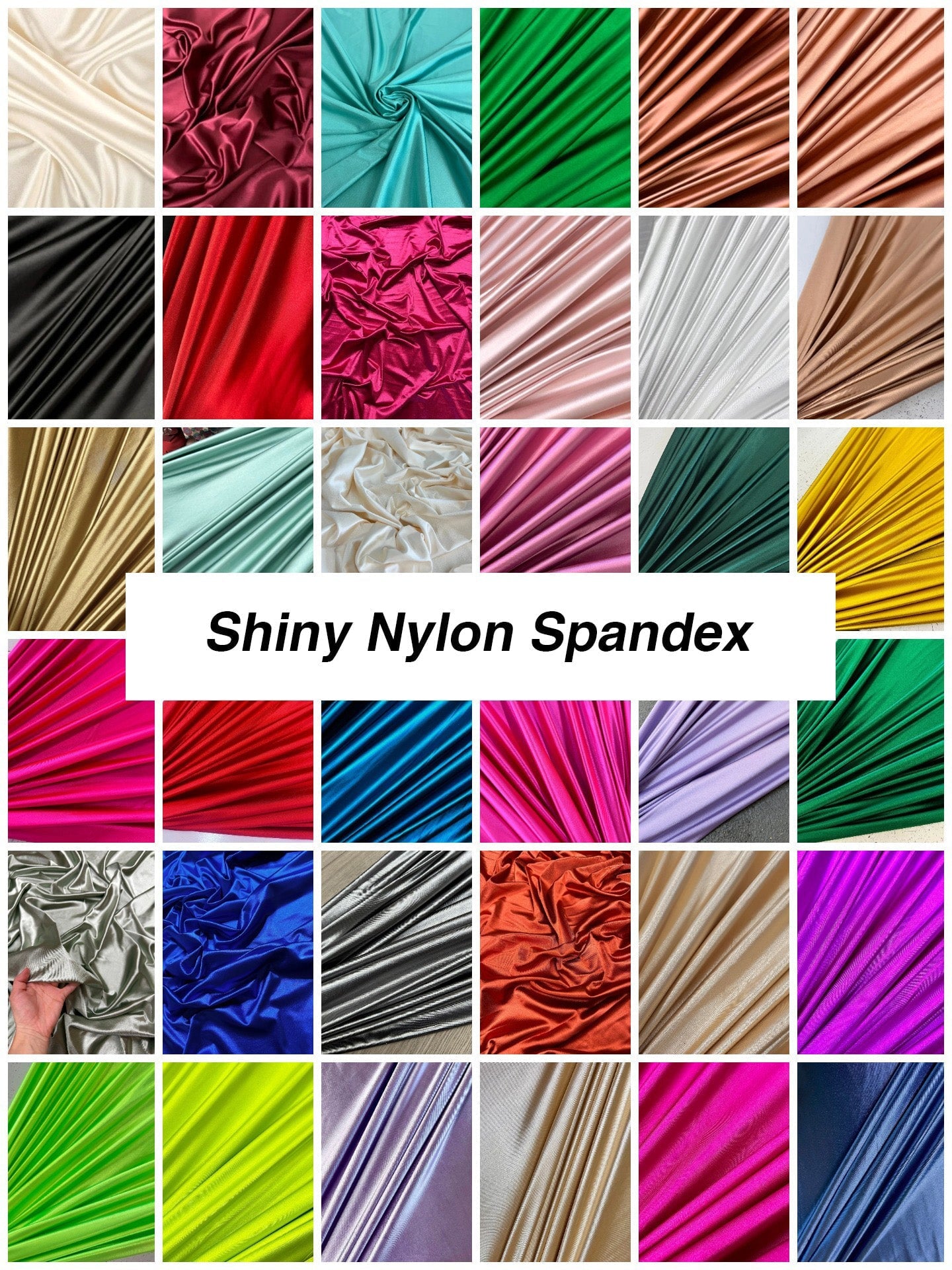
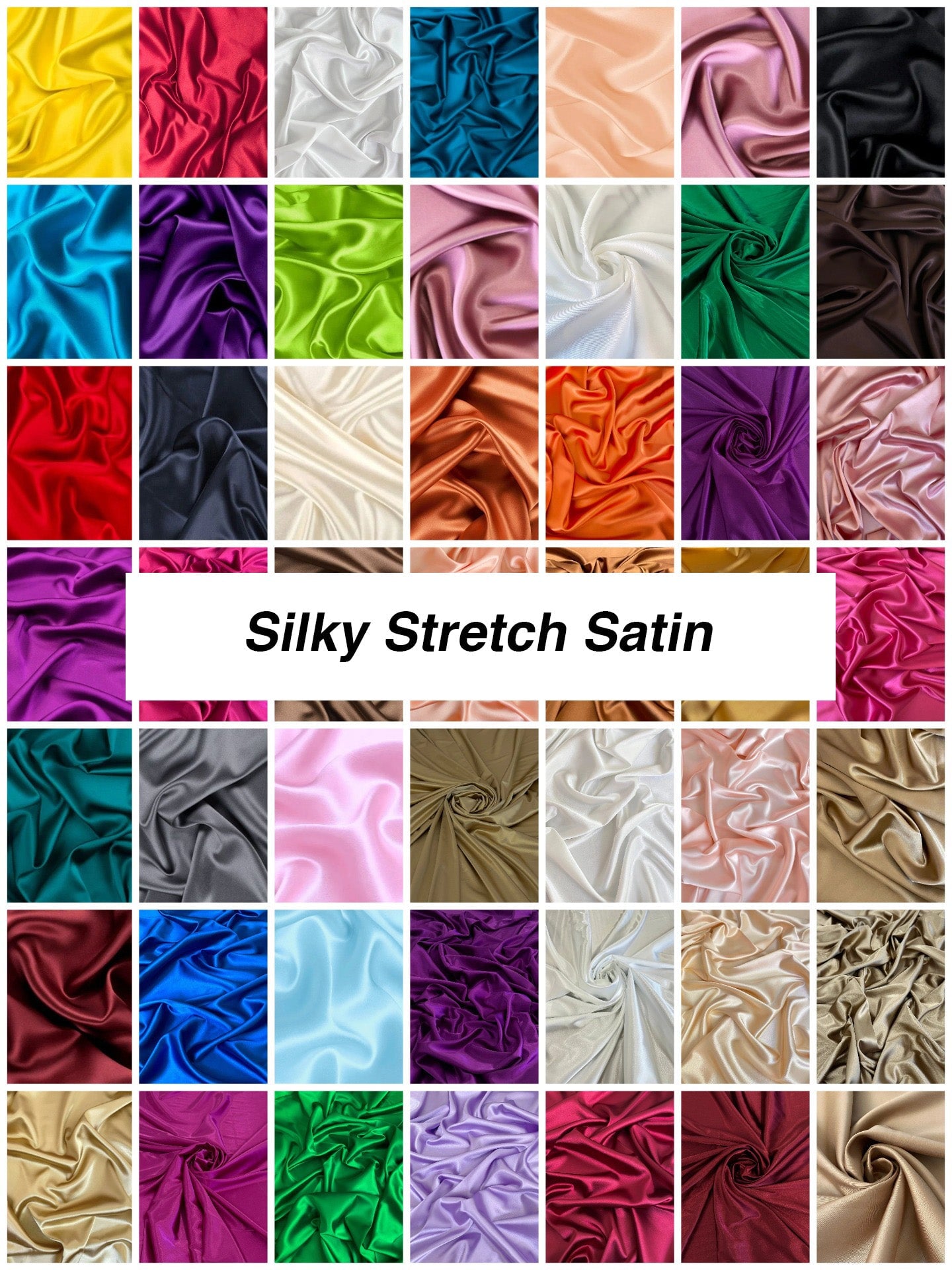
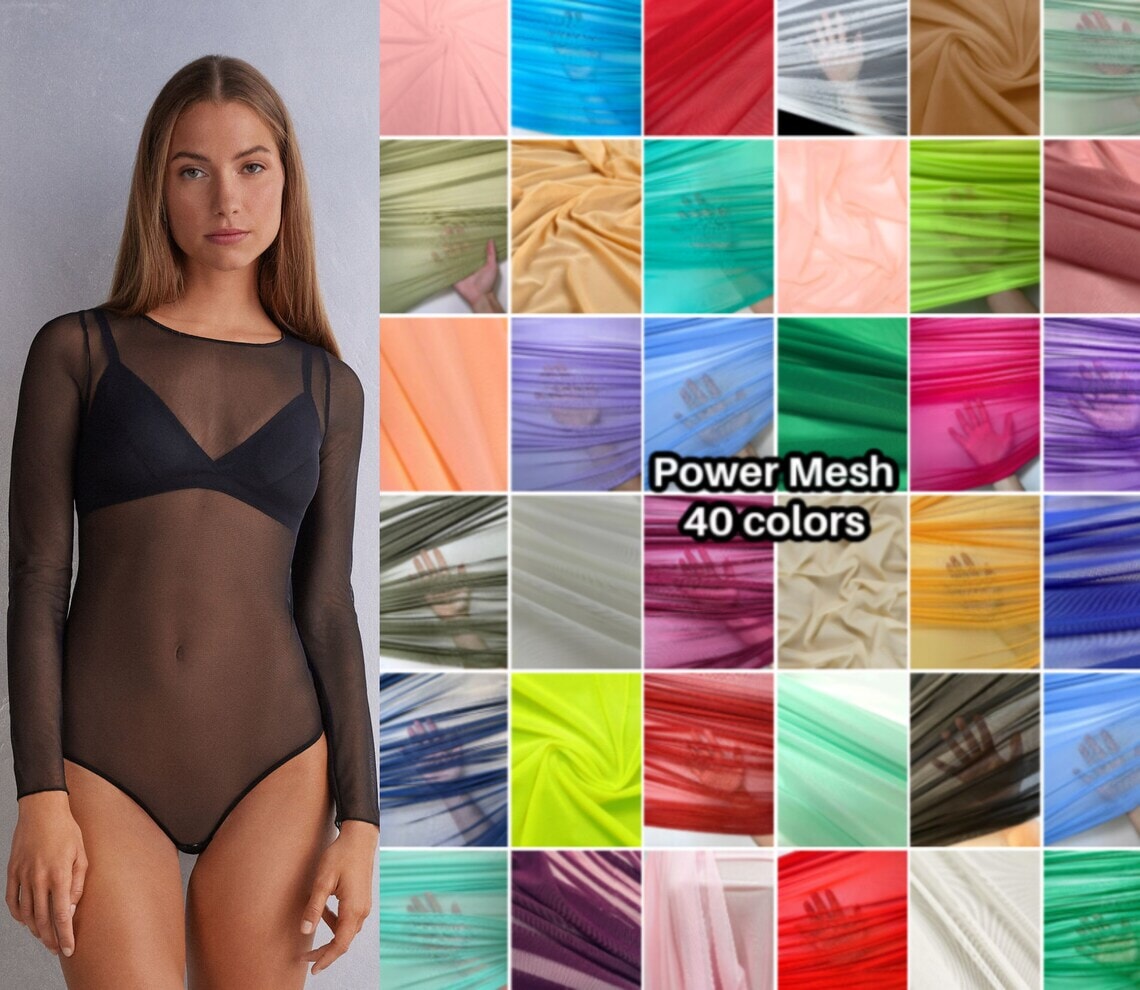
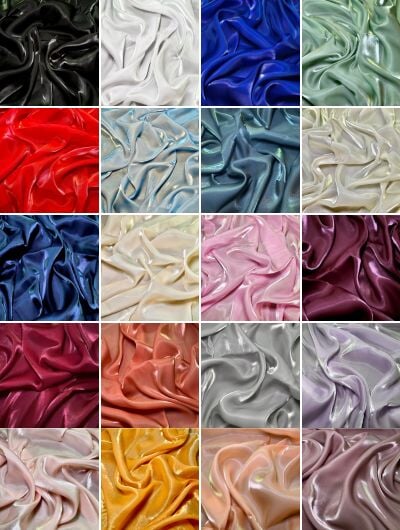
When you sew dress lining with velvet, choose lining fabric that matches the velvet’s stretch. Woven velvet pairs well with a smooth, lightweight non-stretch lining like polyester pongee lining fabric by the yard, which helps the dress slide on easily. Stretch velvet needs a stretch lining, such as a knit or mesh, so the dress can still move.
- Understitch the lining at the neckline so it rolls inward and stays hidden.
- Sew with the velvet on the bottom so the feed dogs ease it evenly.
- Trim seam allowances inside the neckline and armholes to reduce bulk.

How to Choose and Install the Right Zipper for Sewing Velvet
An invisible zipper is the best zipper for sewing velvet dresses, because it hides in the seam and keeps the pile uninterrupted. According to New Mexico State University Extension’s guide to choosing and sewing zippers, lightweight synthetic zippers suit lighter fabrics, and a zipper foot gives the neatest application.
- Choose an invisible zipper at least 2.5 cm (1 in) longer than the opening, because the zipper can’t be stitched right to its end.
- Stabilize the opening with a strip of fusible interfacing or stay tape on the wrong side. This is essential for four-way stretch velvet in polyester and spandex, which can ripple when stitched.
- Hand-baste the zipper tape in place before machine sewing.
- Use an invisible zipper foot, and sew in the direction of the nap.
- Hand-pick the zipper on delicate silk velvet for the softest finish.
Finishing Techniques for Velvet Hems, Linings, and Seams
Professional velvet finishing is about flat seams, low bulk and no visible marks.
- Seam finishing: Serge or zigzag woven velvet edges. Knit velvet edges can be left raw.
- Grade seam allowances: At necklines, waistbands and zippers.
- Steam seams open: Over a needle board or a thick towel.
- Restore the pile: With steam and a soft brush brushed in the nap direction.
- Hang the finished garment: On a padded hanger so the pile and hem stay crisp.
FAQs
Can you use a regular sewing machine to hem velvet dresses?
Yes. A regular sewing machine can sew a machine blind hem, twin-needle hem or zigzag hem on velvet. Use a walking foot and test on a scrap first.
What is the best stitch length for sewing velvet fabric?
About 2.5–3.5 mm works for most velvet. A slightly longer stitch helps prevent puckering.
Should velvet hems be pressed before or after stitching?
Steam the hem lightly after stitching, from the wrong side. Avoid pressing velvet hems flat, as this crushes the pile and creates a hard crease.
What is the best thread to use when sewing velvet garments?
All-purpose polyester thread suits most velvet. Use silk thread for hand hemming and basting on delicate silk velvet.
Can you use hem tape to finish a velvet dress?
Sewn hem tape or hem lace works well on woven velvet. Fusible hem tape is risky because heat can crush the pile, so test it first.
How do you prevent velvet fabric from stretching while attaching a zipper?
Stabilize the zipper opening with fusible interfacing or stay tape, hand-baste the zipper, and sew without pulling the fabric.
Should velvet garments be lined with lightweight or medium-weight fabric?
Lightweight lining is best, as velvet already has body and weight. A smooth lining also stops the pile from catching on other clothes.
How do you prevent bulky seams when sewing velvet dress linings?
Trim and grade seam allowances, understitch the lining, and use a thin lining fabric instead of velvet facings where possible.




Leave a comment