





What Is Velvet Fabric? Types, Properties, Sewing & Care
Velvet fabric is a woven pile fabric: thousands of short, cut fibers stand upright on a base cloth, which gives velvet its soft texture, deep color and light-catching sheen. Velvet can be made from silk, cotton, rayon or polyester, so “velvet” describes how the fabric is built, not what it’s made of.
This guide covers what velvet is made of, how it’s woven, the main types of velvet cloth, and how to sew, wash and store it without crushing the pile.
Key takeaways
- Velvet is defined by its dense, evenly cut pile, not by its fiber.
- Silk velvet is the most luxurious; polyester and stretch velvet are the easiest to sew and wash.
- Velvet has a nap, so every pattern piece must be cut in the same direction.
- Steam velvet instead of ironing it flat, and check the care label before washing.
What Is Velvet Fabric and What Makes It Different from Other Fabrics?
Velvet differs from flat fabrics like satin or cotton poplin because its surface is made of raised fibers called pile. In most woven fabrics, the yarns lie flat and interlace. In velvet, an extra set of yarns is woven in loops and then cut, leaving short tufts that stand up evenly across the cloth.
That pile changes everything about how velvet looks and behaves:
- It reflects light unevenly: Velvet looks darker from one angle and shinier from another.
- It has a nap: Run your hand one way and the fabric feels smooth; run it the other way and it feels slightly rough.
- It feels thicker and warmer than a flat fabric of the same fiber.
The name comes from the Middle French velu, meaning “shaggy.” That’s a fair description of what the pile does up close.
What Is Velvet Made Of? Understanding Natural and Synthetic Fibers
Velvet is made of silk, cotton, rayon, polyester or a blend, sometimes with a small percentage of spandex for stretch. The fiber decides how the velvet drapes, how much it costs and how you’ll need to clean it.
|
Fiber |
How it looks and feels |
Best for |
Care |
|
Silk |
Fluid drape, soft luster, very light |
Evening wear, scarves, couture |
Dry cleaning |
|
Rayon (viscose) |
Silky sheen, heavy drape, cheaper than silk |
Dresses, blouses, silk–rayon blends |
Usually dry cleaning |
|
Cotton |
Matte, firm, holds its shape |
Jackets, upholstery, home décor |
Often dry cleaning; check the label |
|
Polyester |
Bright color, durable, resists crushing |
Costumes, dancewear, curtains, upholstery |
Often hand or gentle machine wash |
|
Polyester + spandex |
All the above, plus stretch |
Bodycon dresses, leggings, dancewear |
Gentle wash, low or no heat |
Silk was the original velvet fiber, and it’s still the most expensive. Much of what’s sold as “silk velvet” today is a silk and rayon blend, which keeps the sheen at a lower price.
Polyester velvet is the most common type in fabric stores. It’s affordable, takes dye well and stands up to daily use. When spandex is added, you get stretch velvet, the fabric behind most velvet dancewear and fitted gowns.
How Is Velvet Made? Understanding the Pile Weaving Process
Velvet is made by weaving two layers of fabric face to face on a special loom, then slicing them apart. An extra set of warp yarns runs back and forth between the two base cloths. When a blade cuts through those connecting yarns, each layer comes away with its own upright pile.
The pile weave process works in four steps:
- Two base cloths are woven at once, one above the other.
- A pile warp links the layers, passing up and down between them.
- A blade cuts the pile yarns in the middle, separating the two fabrics.
- The pile is finished: sheared to an even height, brushed, and sometimes crushed, embossed or dyed.
Some velvets are made over wires instead, where pile loops form over rods that are then cut. Stretch velvet and many modern “velvets” are knitted rather than woven, which is why they have more give.
Before power looms, this double-cloth method was slow, skilled work, and velvet was a fabric of royalty and the church. Encyclopaedia Britannica’s entry on velvet covers that history and the fabric’s production methods in more detail.
What Are the Different Types of Velvet Fabric and Velvet Cloth?
The main types of velvet fabric are plain, crushed, stretch, panne, devoré, embossed and ciselé velvet. Each type comes from either the fiber used or a finish applied to the pile.
- Plain velvet: Even pile, smooth surface. The classic look for jackets, cushions and evening wear.
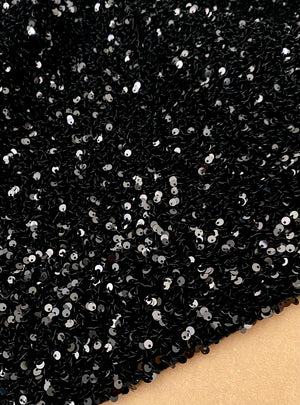
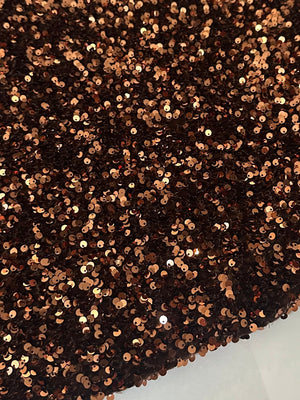
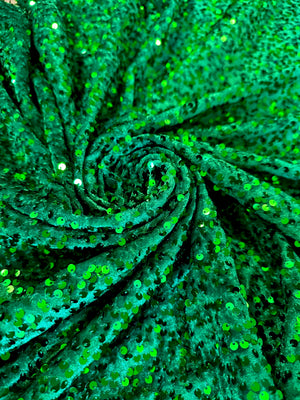
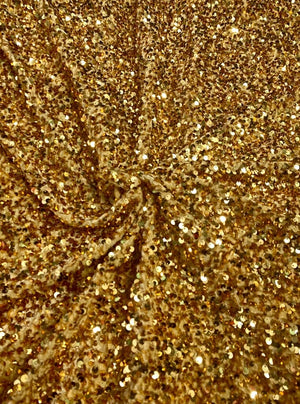
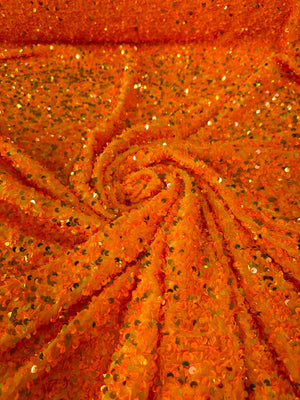
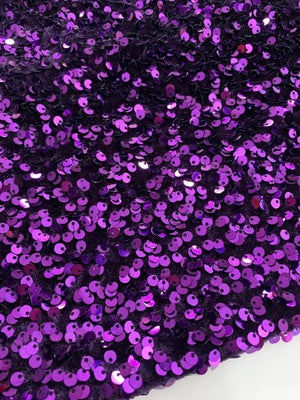
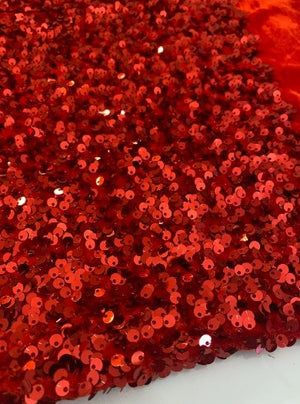
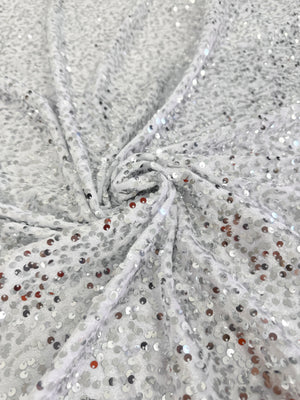
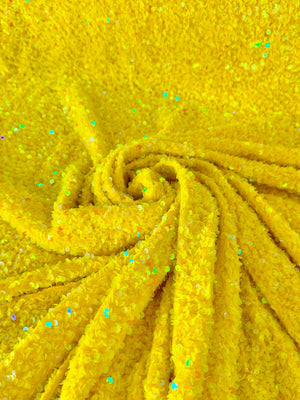
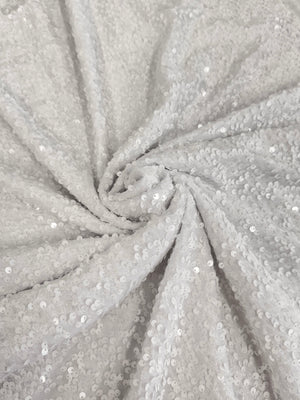
- Crushed velvet: The pile is twisted or pressed, often while wet, so it lies in random directions. The result shimmers and hides marks well. Browse our crushed velvet fabric collection to see how the finish catches light in different colors.
- Stretch velvet: Usually polyester with spandex. It stretches in two or four directions, so it suits fitted clothing, dancewear and costumes.
- Panne velvet: A crushed velvet with the pile pressed flat in one direction under heavy pressure. It has a high-shine, almost liquid look.
- Devoré (burnout) velvet: A chemical paste dissolves parts of the pile, leaving a pattern of velvet on a sheer base.
- Embossed velvet: A heated roller stamps a pattern into the pile.
- Ciselé velvet: A pattern formed by mixing cut and uncut loops.
Quick pick: choose stretch velvet for fitted garments, crushed or panne for costumes and stage wear, cotton or heavy polyester for upholstery, and silk or rayon when drape matters most.
Key Properties of Velvet Fabric: Texture, Softness, Drape, and Durability
Velvet’s key properties are a soft texture, a deep color, a weighty drape and good durability when the fiber and weave are right for the job. The trade-off is that the pile can crush, mark and attract lint.
Soft texture and fabric nap: Velvet’s pile gives it a plush, warm hand. The nap also means color shifts with direction. Brushed “up,” with the pile running toward the top of the garment, velvet looks richer and darker. Brushed “down,” it looks lighter and shinier.
Fabric drape: Silk and rayon velvets pour and cling. Cotton and heavier polyester velvets hold structure, which is why they work for blazers and upholstery. Stretch velvet drapes and moves with the body.
Durability: A tightly woven, dense pile wears well. Polyester velvet resists crushing and fading better than silk, and upholstery velvets are built for high traffic. Silk velvet is more delicate and marks more easily.
Warmth: The pile traps air, so velvet feels warm. That makes it a natural choice for winter clothing, heavy curtains and holiday décor.
How to Sew Velvet Fabric: Cutting, Stitching, and Pressing Tips
Velvet is easier to sew when you control three things: the nap, the slip between layers and the heat of the iron. Velvet layers “walk” against each other under a sewing machine presser foot, so a little preparation saves a lot of unpicking.
Cutting velvet
- Find the nap first. Run your hand down the fabric and mark the direction with chalk arrows on the wrong side.
- Cut every piece in the same direction. Use a “with nap” layout. Expect to buy a little extra fabric.
- Cut in a single layer, face down, rather than folding the fabric. Folded velvet shifts.
- Use sharp shears or a rotary cutter, and shake out loose fibers before sewing.
Stitching velvet
- Use a walking foot or even-feed foot to stop the layers sliding.
- Pin or clip within the seam allowance only. Pins can leave marks on the pile.
- Hand-baste tricky seams like zippers and sleeves before machine stitching.
- Sew in the direction of the nap where possible.
- Choose the right needle: a ballpoint or stretch needle for stretch velvet, and a sharp or universal needle for woven velvet.
- Lengthen the stitch slightly (around 3 mm) to reduce puckering.
- For stretch velvet, use a narrow zigzag or a serger so seams can stretch with the fabric.
Pressing velvet
Never press velvet flat with an iron on the right side. That crushes the pile and can leave a permanent shine.
- Steam from the wrong side, holding the iron just above the fabric.
- Press over a needle board, a velvet board or a spare scrap of velvet laid pile up.
- Finger-press seams open while the fabric is still warm from the steam.
- Use low heat for polyester and stretch velvet.
How to Care for Velvet Fabric: Washing, Drying, and Storage
Velvet care depends on the fiber, so always follow the care label first. As a general rule, silk, rayon and most cotton velvets need dry cleaning, while many polyester and stretch velvets can be washed gently at home.
Washing: For washable velvet, hand-wash in cold water with a mild detergent, or use a delicate cycle with the garment turned inside out in a mesh bag. Don’t wring or twist the fabric.
Drying: Roll the velvet in a towel to press out water, then lay it flat or hang it to air-dry. Skip the tumble dryer, as heat can flatten the pile and damage spandex.
Refreshing the pile: Hang velvet in a steamy bathroom or use a handheld steamer to lift crushed areas. Brush gently in the direction of the nap with a soft clothes brush.
Storage: Hang velvet garments on padded hangers with space around them, so the pile isn’t pressed. For fabric yardage, roll it around a tube with the pile facing out rather than folding it. Keep velvet away from direct sunlight to prevent fading.
Upholstery: Vacuum velvet furniture regularly with a soft brush attachment, and blot spills right away rather than rubbing.
Choosing the Right Velvet for Your Next Project
The best velvet for you comes down to fiber and finish. Pick silk or rayon for drape, cotton or heavy polyester for structure, and stretch velvet for anything that has to move with the body. Once you know the nap and steam instead of iron, velvet is far less tricky than its reputation suggests. Ready to start? Explore our full velvet fabric collection for stretch, crushed and specialty velvets sold by the yard.
FAQs
What is the difference between velvet, velour, and velveteen?
Velvet is a woven fabric with its pile formed from the warp yarns. Velveteen is also woven, usually from cotton, but its pile comes from the weft yarns and is shorter and firmer. Velour is typically a knit pile fabric, so it’s stretchier and less formal than velvet.
Is velvet fabric suitable for beginners to work with?
Velvet can be challenging for a first project because it slips and shows pressing marks. Stretch and polyester velvets are the most forgiving. Start with a simple pattern, use a walking foot, and test stitches on a scrap first.
Does velvet fabric stretch or have natural elasticity?
Traditional woven velvet has very little stretch, apart from a slight give on the bias. Stretch velvet contains spandex, which lets it stretch in two or four directions and recover its shape.
Is velvet a good choice for curtains and upholstery?
Yes. Velvet blocks light, adds insulation and wears well on furniture when you choose a dense, upholstery-weight fabric. Polyester and cotton velvets are the most practical for homes with heavy use.
How can you identify the front and back of velvet fabric?
The front of velvet has the soft, raised pile. The back is a flat woven or knitted base with a duller, smoother surface. If in doubt, rub the fabric: the right side feels plush.
Does velvet attract lint, dust, and pet hair?
Yes, velvet’s pile tends to hold onto lint, dust and pet hair. A lint roller, a soft clothes brush or a vacuum with a brush attachment removes most of it. Crushed velvet hides it better than plain velvet.
Why is velvet fabric often more expensive than other fabrics?
Velvet uses more yarn than a flat fabric because of the extra pile warp, and the weaving and finishing steps take longer. Silk velvet costs the most; polyester velvet is the most affordable.
How can you prevent velvet fabric from getting crushed or developing permanent marks?
Store velvet hanging or rolled with the pile facing out, never folded under weight. Avoid sitting on damp velvet, never iron it flat on the right side, and steam crushed areas to lift the pile again.



Leave a comment