


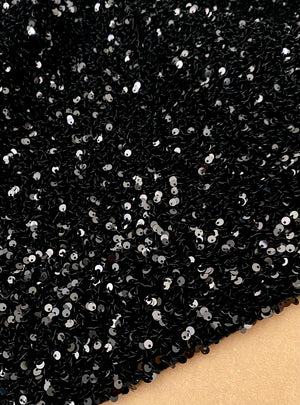

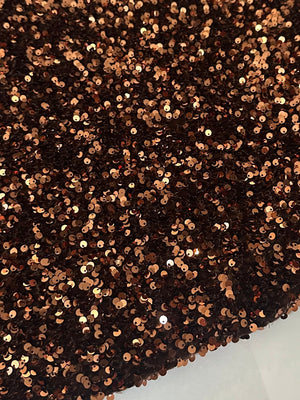

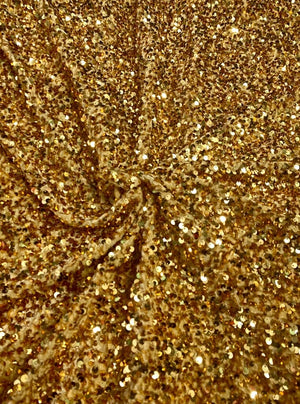
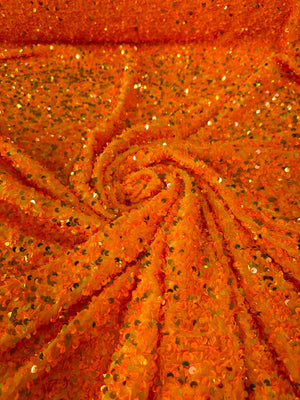


Stretch Velvet vs. Woven Velvet: How to Choose the Right One for Your Project
The main difference between stretch velvet and woven velvet is how they’re made. Stretch velvet is a knit fabric blended with spandex, so it stretches and recovers. Woven velvet is made on a loom from interlaced warp and weft threads, so it holds its shape with little or no stretch.
That one difference in fabric construction changes how each velvet drapes, sews and wears. Both share the soft pile and rich sheen covered in the complete guide to velvet fabric types, properties, sewing and care, but they suit very different projects.
What Is Stretch Velvet Fabric?
Stretch velvet is a knit velvet, usually polyester blended with spandex (also called elastane), that stretches in two or four directions and springs back to shape. The knit base gives it give, and the spandex gives it elasticity and recovery.
A typical example is four-way stretch velvet made from polyester with 20% spandex, a medium-weight fabric that moves with the body in every direction. Stretch velvet feels soft and smooth, drapes fluidly and clings to curves, which is why it’s a favorite for fitted garments and dancewear.
What Is Woven Fabric and How Is It Made?
Woven fabric is cloth made by interlacing two sets of yarns at right angles on a loom. The lengthwise yarns are the warp, and the crosswise yarns are the weft. Denim, satin, poplin and canvas are all woven fabrics.
Woven velvet adds a third set of yarns. As Encyclopaedia Britannica explains in its entry on weaving, velvet is a pile weave, often made by weaving two cloths face to face, joined by extra warp yarns. Cutting those yarns apart creates the upright velvet pile on each cloth. Silk, cotton and polyester velvet can all be woven this way.
Stretch Velvet vs. Woven Velvet: Key Differences
Stretch velvet bends and stretches, while woven velvet holds structure. Here’s how the two compare:
|
Feature |
Stretch velvet |
Woven velvet |
|
Fabric construction |
Knit |
Woven (warp and weft) |
|
Typical fibers |
Polyester and spandex |
Silk, cotton, rayon or polyester |
|
Stretch |
Two-way or four-way |
Little to none |
|
Drape |
Fluid and clingy |
Ranges from fluid (silk) to structured (cotton) |
|
Fraying |
Doesn’t fray |
Frays at cut edges |
|
Feel |
Smooth, soft, slightly springy |
Dense, plush, firm |
|
Sewing |
Stretch needle, zigzag or serger |
Walking foot, straight stitch |
|
Best for |
Fitted clothing, dancewear, costumes |
Tailoring, gowns, upholstery |
Characteristics and Properties of Woven Fabrics
Woven fabrics are stable, strong and hold their shape, because the warp and weft threads lock each other in place. These woven fabric properties apply to woven velvet too:
- Stability: Woven fabric resists stretching along the warp and weft, so seams and shapes stay crisp.
- Strength and durability: The tight interlacing stands up to friction, which suits upholstery.
- Structure: Woven velvet holds tailored shapes like blazer lapels and box pleats.
- Bias stretch: Woven fabric only stretches slightly on the diagonal, called the bias.
- Fraying: Cut edges unravel, so seams need finishing.
The best woven material depends on the job. Cotton velvet suits structured garments, silk velvet suits flowing eveningwear, and polyester velvet is the most practical for upholstery.
Common Uses of Stretch Velvet and Woven Velvet
Stretch velvet is best for anything close-fitting or active. Woven velvet is best for anything that needs structure or heavy wear.
- Stretch velvet: bodycon dresses, leggings, leotards, figure-skating and dance costumes, fitted tops, scrunchies and bows
- Woven velvet: blazers, tailored jackets, structured skirts, evening gowns with a defined shape, curtains, cushions and velvet upholstery
How to Choose the Best Woven Material or Stretch Velvet for Your Project
Choose by how the finished piece needs to move. Ask yourself three questions:
- Does it need to fit closely without a zipper? Choose stretch velvet.
- Does it need to hold a tailored shape? Choose woven velvet.
- Will it face daily wear, like a sofa or dining chair? Choose a dense woven polyester or cotton velvet.
Also check the fabric weight. Lighter velvets drape better for dresses, while heavier velvets suit jackets, curtains and furniture. Comparing fiber content and stretch direction across a velvet fabric collection sold by the yard makes the right choice much clearer.
Why Fabric Construction Matters When Choosing Velvet
Fabric construction decides how velvet behaves at every stage, from cutting to wearing. It affects:
- Fit: Stretch velvet hugs the body; woven velvet needs darts, seams and closures to shape it.
- Sewing techniques: Knit velvet needs stretch stitches so seams don’t snap. Woven velvet needs seam finishing so it doesn’t fray.
- Garment construction: Patterns are drafted differently for knits and wovens, so always use the fabric type a pattern calls for.
- Comfort and wear: Stretch velvet moves with you; woven velvet lasts longer under friction.
Picking the wrong construction is the most common reason a velvet project doesn’t fit or wear as expected.
FAQs
What is stretch velvet fabric made of?
Stretch velvet is usually made of polyester knitted with spandex (elastane). The spandex content, often 10–20%, gives the fabric its stretch and recovery.
What is woven velvet fabric, and how is it different from stretch velvet?
Woven velvet is a pile fabric made on a loom from warp and weft threads. It’s more stable and structured than stretch velvet, which is knitted and stretches in two or four directions.
Does velvet fabric stretch naturally?
Most woven velvet doesn’t stretch, apart from a little give on the bias. Velvet only stretches significantly when it’s knitted and blended with spandex.
What are the main properties of woven fabric?
Woven fabric is stable, strong and durable, holds its shape well and frays at cut edges. It has little stretch except on the bias.
What is woven fabric used for?
Woven fabric is used for shirts, trousers, tailored jackets, dresses, curtains, bedding and upholstery. Woven velvet is especially popular for blazers, gowns and furniture.
Is stretch velvet material better than non-stretch velvet?
Neither is better overall. Stretch velvet is better for fitted, comfortable clothing and dancewear. Non-stretch woven velvet is better for tailoring, structured gowns and upholstery.
What is the difference between woven fabric and knitted fabric?
Woven fabric interlaces two sets of yarns at right angles, which makes it stable with little stretch. Knitted fabric is made from interlocking loops of yarn, which makes it naturally stretchy and resistant to fraying.



Leave a comment