




Types of Velvet Fabric: Silk, Stretch, Crushed, Panne & More
The main types of velvet fabric are silk, cotton, polyester and stretch velvet, which differ by fiber, and crushed, panne and burnout velvet, which differ by finish. Each type has its own texture, drape and best use, from flowing evening gowns to hard-wearing upholstery.
This guide explains every common velvet variety and helps you match the right one to your project. If you’re new to velvet, start with our complete guide to velvet fabric for the basics of how it’s woven, sewn and cared for.
What Is Velvet Fabric and What Is It Made Of?
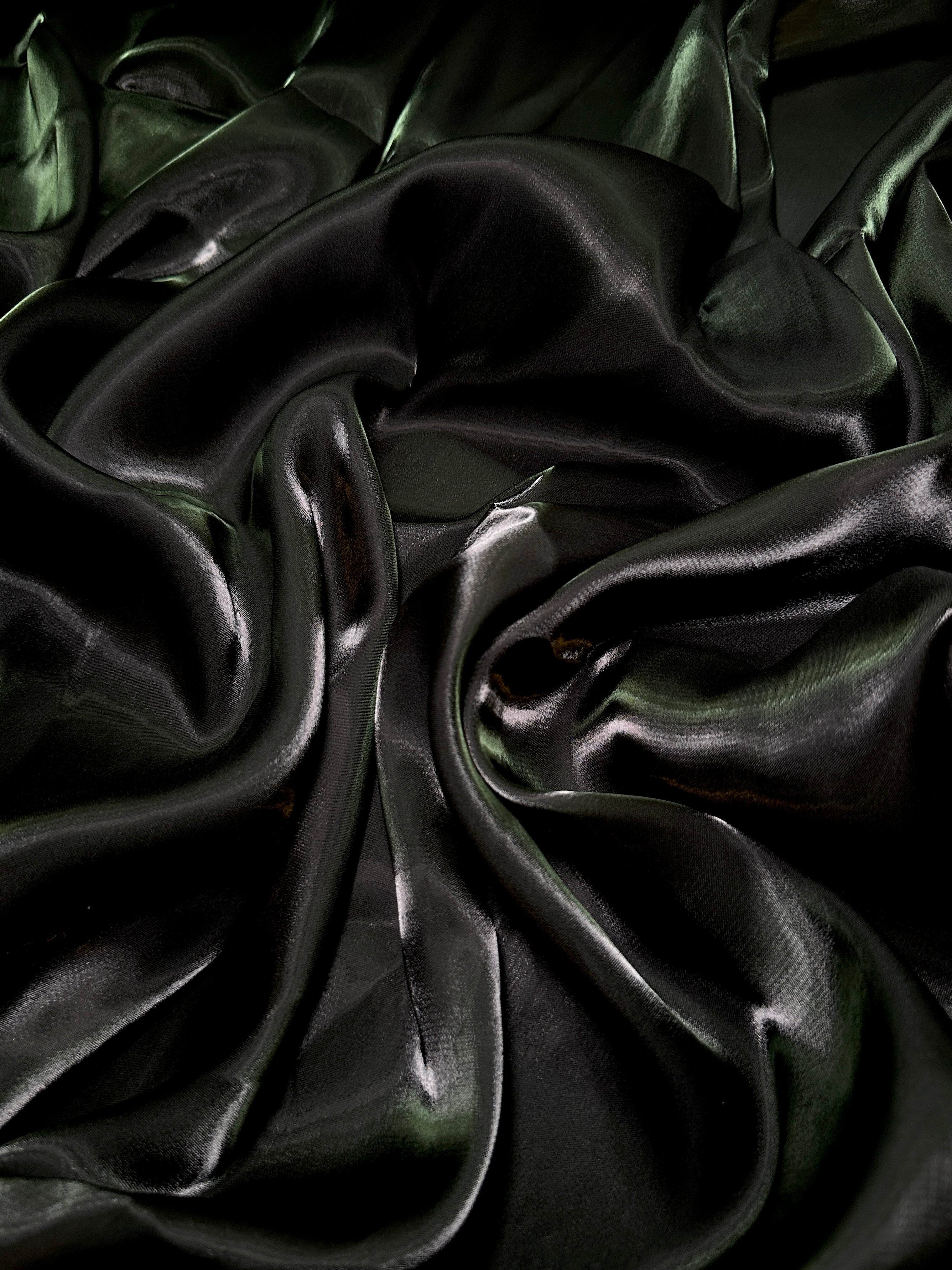
Velvet fabric is a pile fabric: a base cloth covered with short, dense, upright fibers that give it a soft, plush texture and a deep sheen. Velvet can be made from silk, cotton, rayon, polyester or a blend, and spandex is often added for stretch.
The fiber controls how velvet drapes, how it feels and how you clean it. The finish controls how the surface looks. That’s why two velvets can feel completely different even though they share the same name.
How Many Types of Velvet Fabric Are There?
There’s no fixed number of velvet types, but most fabrics sold today fall into two families. The first is fiber type: silk, cotton, polyester and stretch velvet. The second is finish type: crushed, panne, burnout, embossed and ciselé velvet.
These families overlap. A crushed velvet can be polyester, and a burnout velvet is often silk and rayon. When you shop, check both the fiber and the finish to know exactly what you’re getting.
Different Types of Velvet Based on Fiber Composition: Silk, Cotton, Polyester, and Stretch
Silk velvet
Silk velvet is the most luxurious type of velvet, with a light weight, a fluid drape and a soft, liquid sheen. Pure silk velvet is rare and expensive, so most “silk velvet” is a silk and rayon blend. It’s best for evening wear, scarves and couture, and it usually needs dry cleaning.
Cotton velvet
Cotton velvet has a matte finish, a firmer hand and less shine than silk. It holds its shape well, which makes it a good choice for tailored jackets, structured skirts and home décor. Cotton velvet is breathable, but it creases more easily than synthetics.
Polyester velvet
Polyester velvet is the most common and affordable velvet. It takes dye well, resists fading and crushing, and stands up to daily use. That durability makes polyester velvet popular for costumes, curtains and velvet upholstery.
Stretch velvet
Stretch velvet is usually polyester blended with spandex, which lets it stretch and recover. Our four-way stretch velvet, for example, is polyester with 20% spandex, so it moves with the body in every direction. Stretch velvet is the go-to for bodycon dresses, leggings, dancewear and figure-skating costumes.
Popular Types of Velvet Cloth Based on Texture and Finish: Crushed, Panne, and Burnout
Crushed velvet
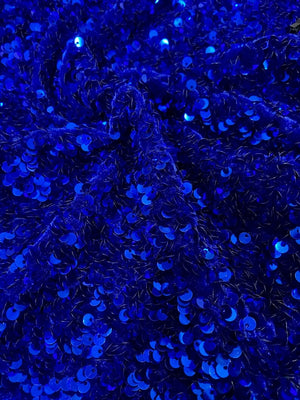
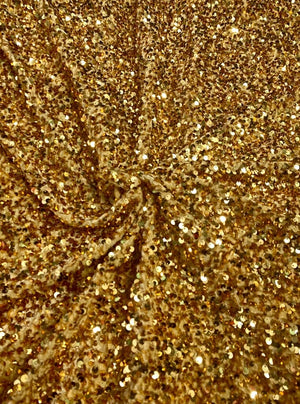
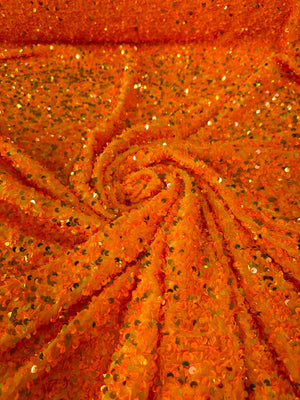
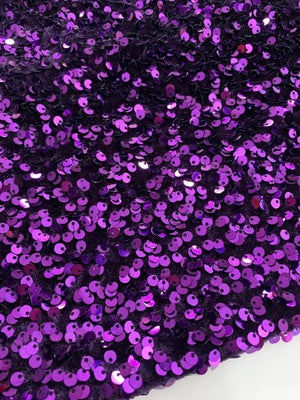
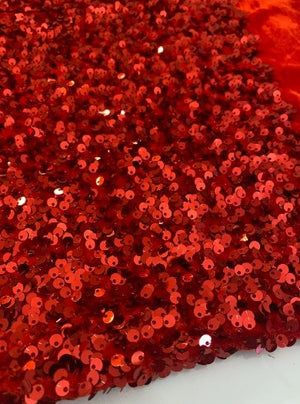
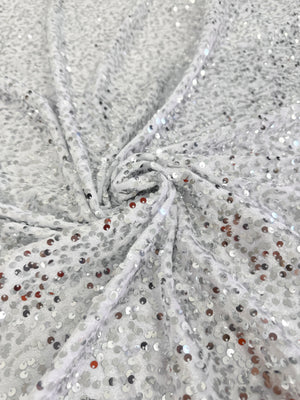
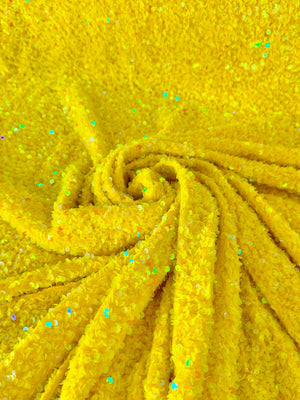
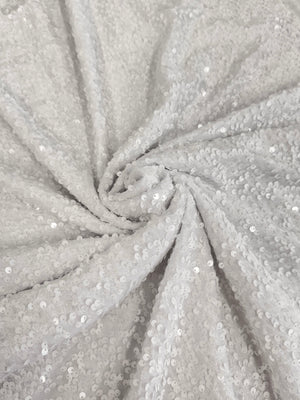
Crushed velvet has a pile that’s twisted or pressed while wet, so the fibers lie in random directions. The result is a shimmering, uneven surface that catches light from every angle and hides marks well. You can see how the finish changes across colors in our crushed velvet fabric collection.
Panne velvet
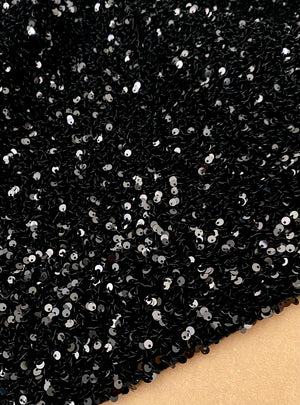
Panne velvet is a crushed velvet with the pile pressed flat in one direction under heavy pressure. It has a high shine and a slightly slick feel. Panne velvet is lightweight and often knitted, which makes it popular for costumes and stage wear.
Burnout velvet
Burnout velvet, also called devoré velvet, has a pattern made by dissolving parts of the pile with a chemical paste. The pattern shows as raised velvet against a sheer base. Burnout velvet is usually a silk and rayon blend and works well for scarves, blouses and layered evening wear.
Velveteen and other velvet relatives
Velveteen fabric is a close cousin of velvet. It’s usually cotton, with a shorter, firmer pile formed from the weft yarns instead of the warp. Velveteen has less drape and sheen than true velvet, so it suits jackets, children’s clothing and crafts. Embossed and ciselé velvets round out the finish types, with patterns stamped or cut into the pile.
How to Choose the Right Type of Velvet Fabric for Clothing and Upholstery
Choose velvet by asking three questions: does it need to drape, stretch or hold up to heavy wear?
|
Project need |
Best velvet type |
Why |
|
Drape and sheen |
Silk or silk-rayon velvet |
Fluid, lightweight, elegant |
|
Stretch and movement |
Stretch velvet |
Spandex gives fabric stretchability and recovery |
|
Structure |
Cotton velvet or velveteen |
Firm hand holds tailored shapes |
|
Heavy wear |
Polyester velvet |
Resists crushing, fading and abrasion |
|
Shimmer and texture |
Crushed or panne velvet |
Pile reflects light in many directions |
For clothing, think about how the garment moves. For upholstery, prioritize a dense, tightly woven polyester or cotton velvet that can handle friction.
What Are the Best Uses of Different Velvet Fabric Types?
Each velvet type has a natural home:
- Silk velvet: evening gowns, wraps, scarves and luxury trims
- Cotton velvet: blazers, skirts, cushions and drapery
- Polyester velvet: curtains, upholstery, costumes and holiday décor
- Stretch velvet: fitted dresses, leggings, dancewear and skating costumes
- Crushed velvet: party dresses, throws, pillows and accent chairs
- Panne velvet: stage costumes and theatrical wear
- Burnout velvet: scarves, kimonos, blouses and sheer layering pieces
Once you’ve chosen a type, the same handling rules apply to almost every velvet: cut with the nap, steam rather than iron, and check the fiber before washing.
FAQs
Which type of velvet is best for making evening gowns and formal dresses?
Silk or silk-rayon velvet is best for flowing evening gowns because of its drape and soft sheen. For fitted formal dresses, stretch velvet is easier to fit and more comfortable to wear.
Is velvet fabric suitable for summer clothing?
Most velvet is warm because the pile traps air. Lightweight options like burnout velvet, panne velvet or thin silk velvet are the most wearable in warmer weather, especially for evening events.
Does velvet fabric stretch, or does it depend on the type?
It depends on the type. Woven silk, cotton and polyester velvets have very little stretch. Stretch velvet contains spandex, so it stretches in two or four directions and returns to shape.
Which velvet fabric is easiest to sew for beginners?
Stretch velvet and polyester velvet are the easiest for beginners. They’re more stable and forgiving than silk, and they don’t mark as easily when pressed.
Does velvet fabric fade or lose its texture over time?
Velvet can fade in direct sunlight, and the pile can flatten with heavy use or poor storage. Polyester velvet resists fading and crushing best, while silk velvet is the most delicate.
Can different types of velvet be used for curtains and furniture upholstery?
Yes. Polyester and cotton velvets are the most practical for curtains and furniture because they’re durable and block light well. Crushed velvet also works for accent pieces and cushions.
How can you tell whether velvet fabric is made from natural or synthetic fibers?
The easiest way is to check the fiber content label. In the US, the Federal Trade Commission’s textile labeling rules require most textile products to list each fiber by its generic name and percentage by weight. Natural velvets also tend to feel cooler and drape more softly than synthetic ones.
Does velvet fabric have a nap, and why does the nap direction matter when cutting?
Yes, every velvet has a nap, the direction the pile lies. Nap direction changes how color and shine look, so all pattern pieces must be cut facing the same way. Otherwise, panels in the same garment can look like different shades.



Leave a comment