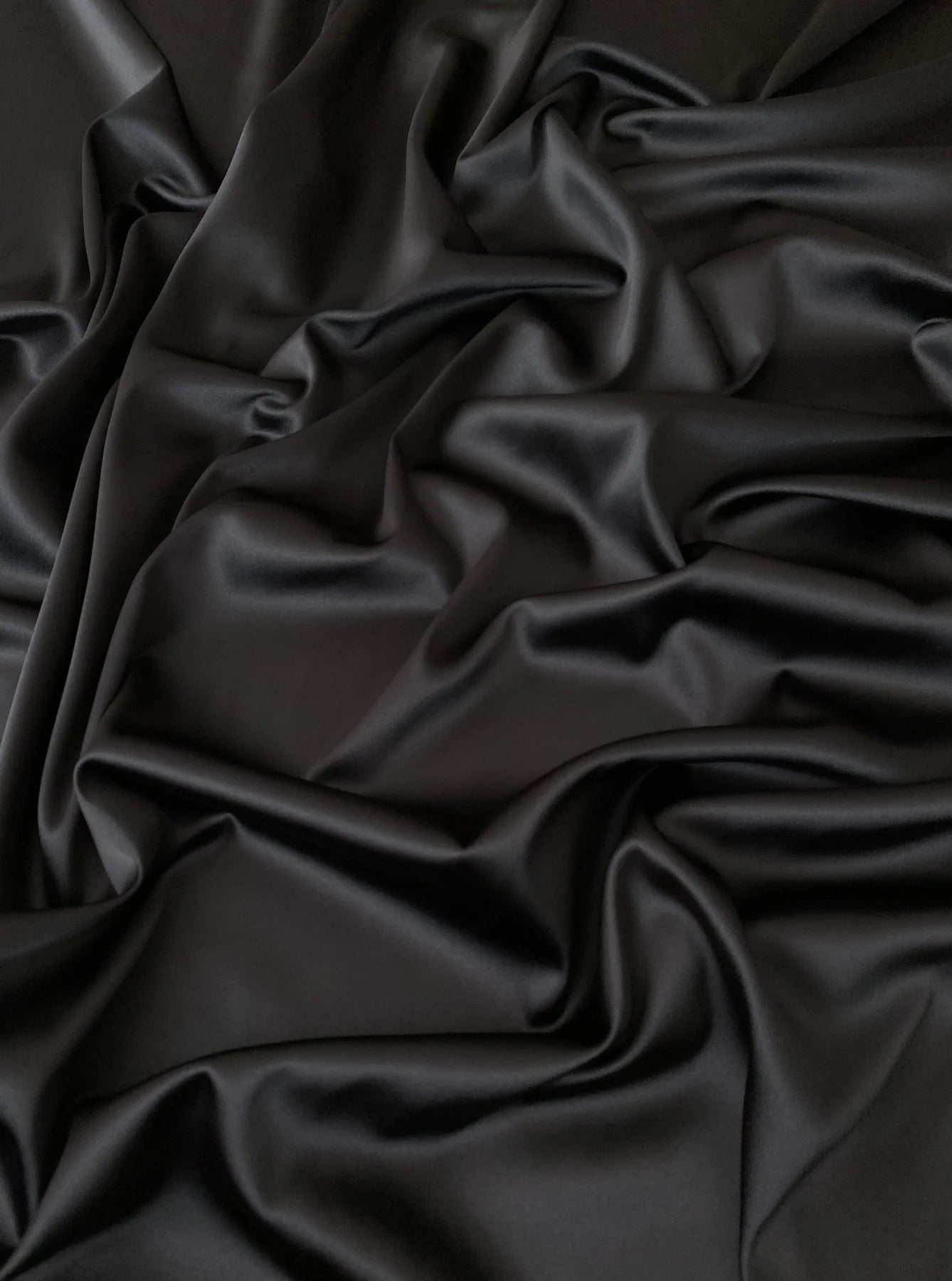


- For tailored trousers: suiting, wool, wool blends, gabardine, twill, crepe
- For wide-leg pants: crepe, suiting, wool blends, twill, linen blends
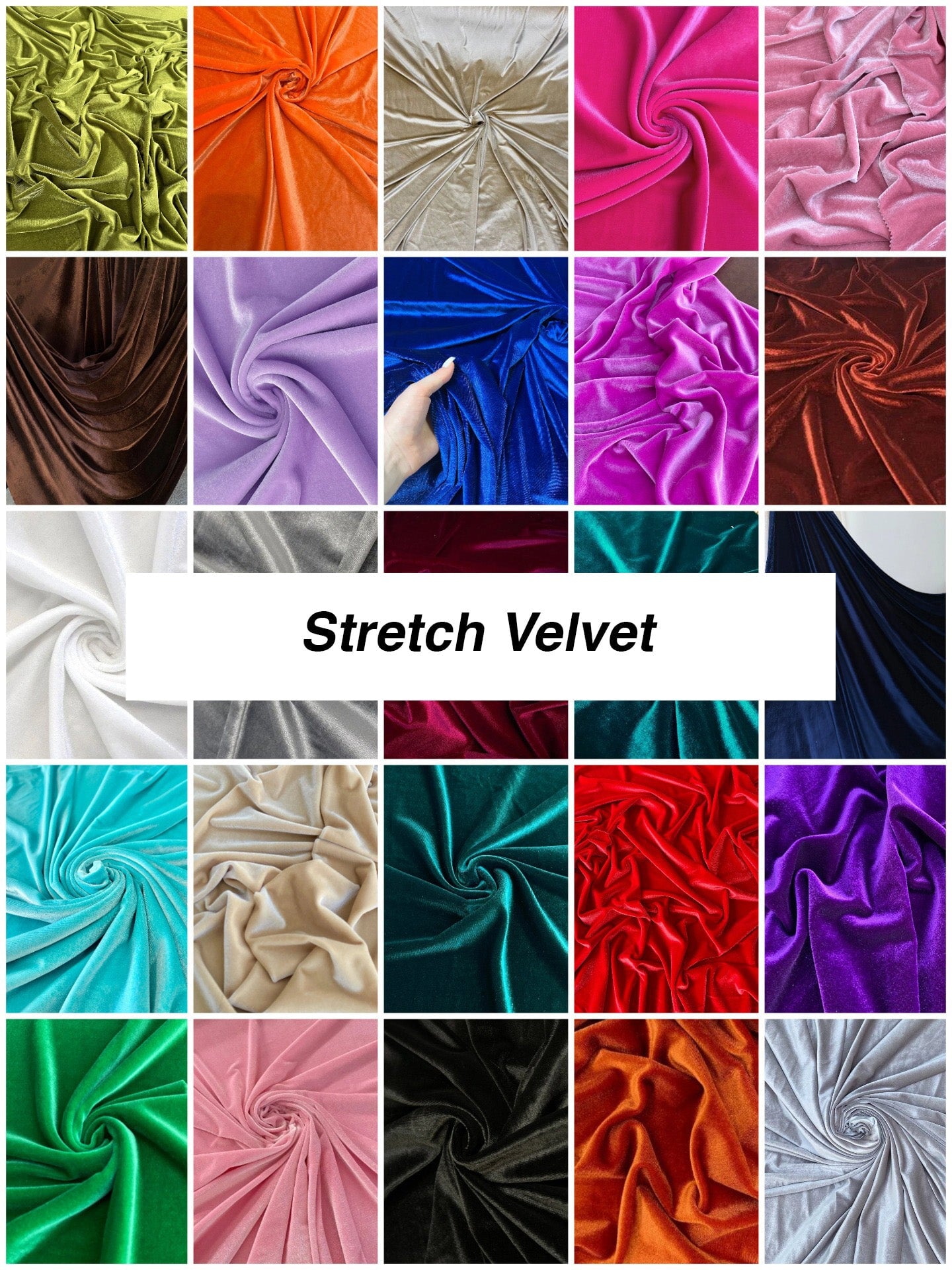
- For flowy pants: crepe, rayon, challis, softer linen blends, drapey woven fabrics, velvets
- For structured pants: denim, twill, gabardine, poplin, wool, faux leather
- For fitted pants: stretch suiting, ponte, stretch twill, spandex blends, stretch faux leather
- For polished work pants: suiting, crepe, gabardine, wool blends
- For relaxed everyday pants: linen blends, cotton blends, softer twills, drapey crepe, rayon
- For crisp clean lines: poplin, gabardine, suiting, wool blends
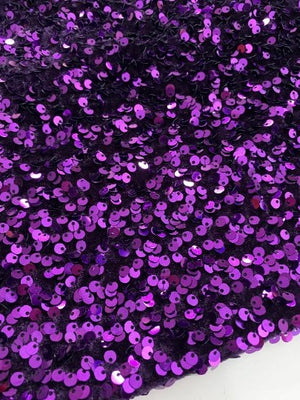
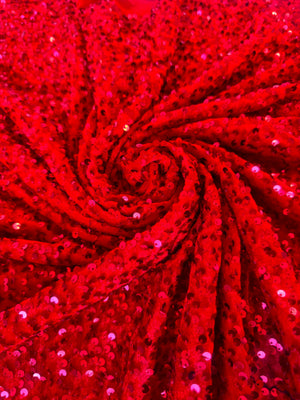
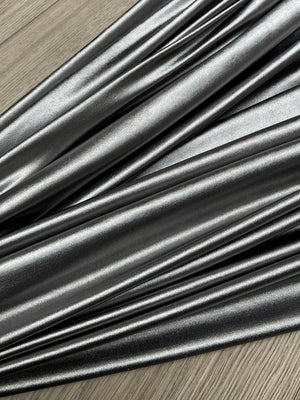
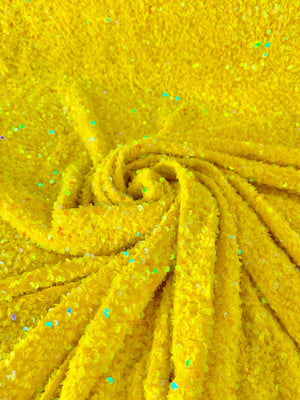
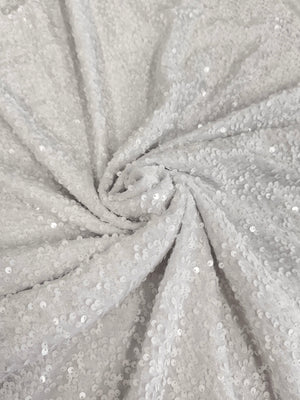
- For statement pants: faux leather, coated fabrics, sequins, specialty fabrics
Denim
Usually used for structured pants, straight-leg styles, wide-leg pants, utility-inspired looks, and everyday bottoms that need body and durability.
Wool
Usually used for tailored trousers, pleated pants, winter pants, and more classic elevated silhouettes. A strong choice when warmth, structure, and a refined finish matter.
Wool Blends
Usually used for trousers, wide-leg pants, cigarette pants, and polished workwear styles. Loved because they give the look of wool while often feeling easier to wear and sew.
Suiting Fabrics
Usually used for trousers, formal pants, tailored separates, and matching sets. Best when customers want a clean, professional, expensive-looking finish.
Crepe
Usually used for softer trousers, elegant work pants, wide-leg pants, and flowy pants that need drape without looking too casual. A favorite for polished but not stiff pants.
Poplin
Usually used for lighter pants, summer trousers, simpler casual styles, and pants that need a crisp but lighter-weight finish. Better for cleaner shapes than very flowy silhouettes.
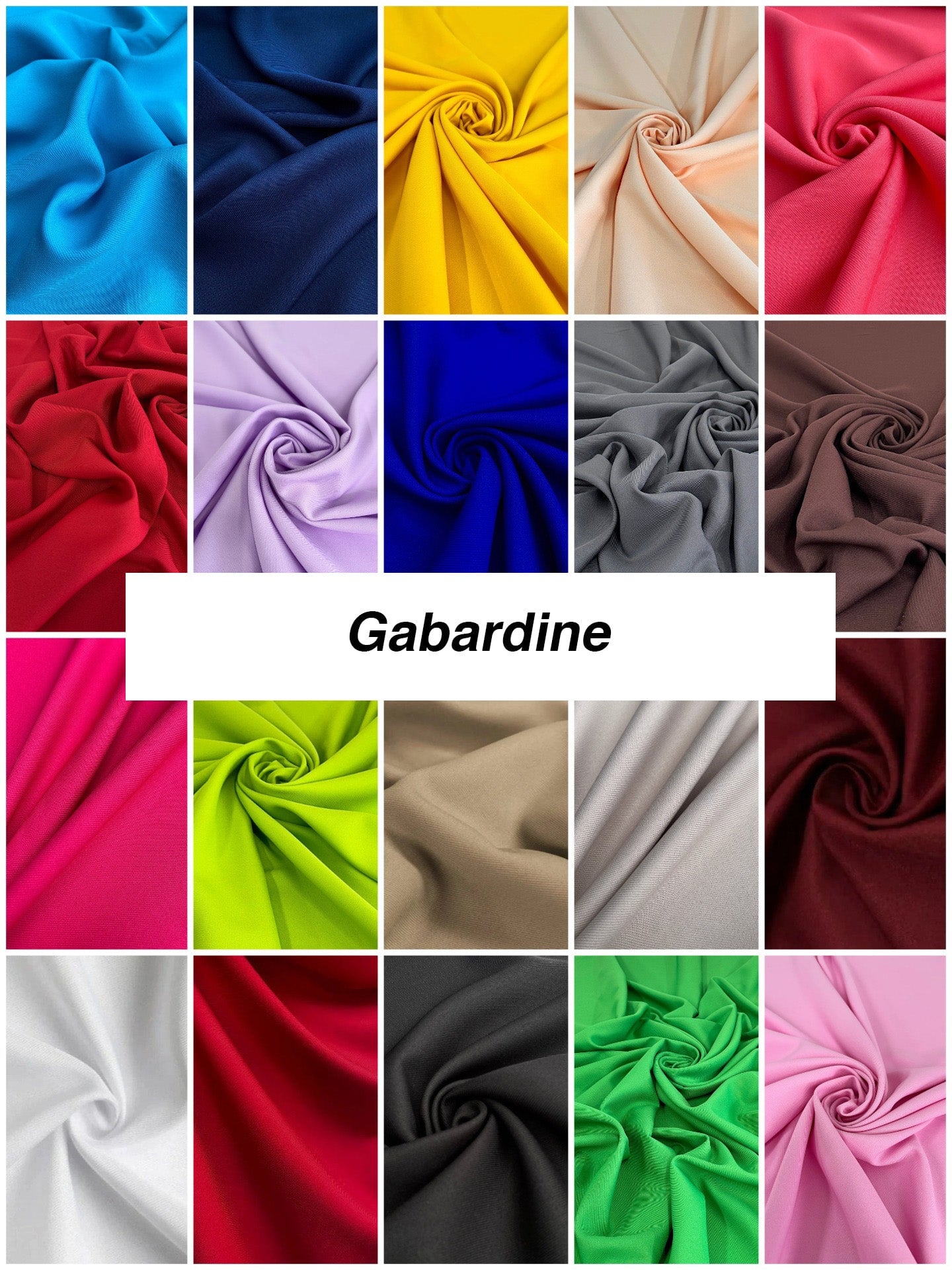
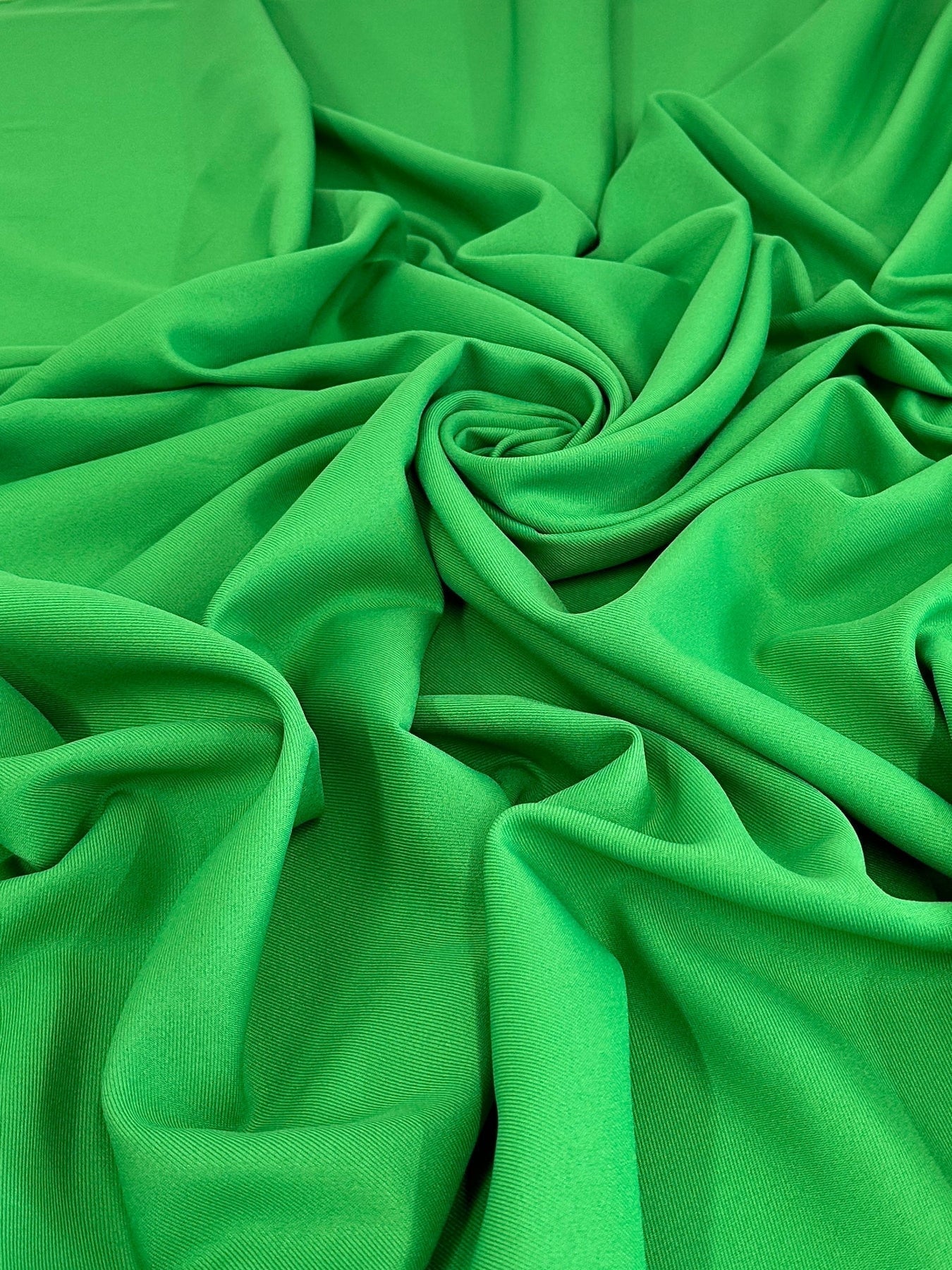
Twill / Gabardine
Usually used for structured trousers, workwear-inspired pants, uniform-style pants, and designs that need body and durability. Great for cleaner lines and sharper silhouettes.
Linen / Linen Blends
Usually used for breathable relaxed pants, vacation styles, summer trousers, wide-leg pants, and softer everyday looks. Best when comfort and airflow matter more than sharp structure.
Rayon / Challis / Drapey Wovens
Usually used for flowy pants, relaxed wide-leg pants, vacation styles, and pants with soft movement. A strong choice when customers want fluidity rather than structure.
Ponte / Structured Knits
Usually used for slim pants, pull-on trousers, fitted work pants, and polished everyday styles. A favorite when customers want comfort with a neater appearance.
Stretch Suiting / Stretch Twill
Usually used for fitted trousers, slim cuts, cigarette pants, and styles that need movement without losing a tailored look.
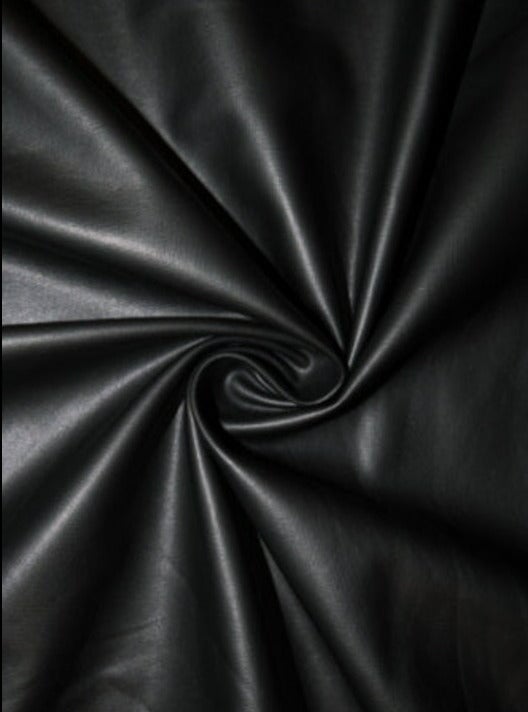
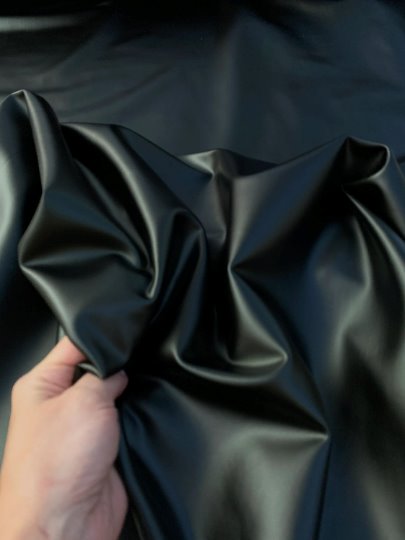
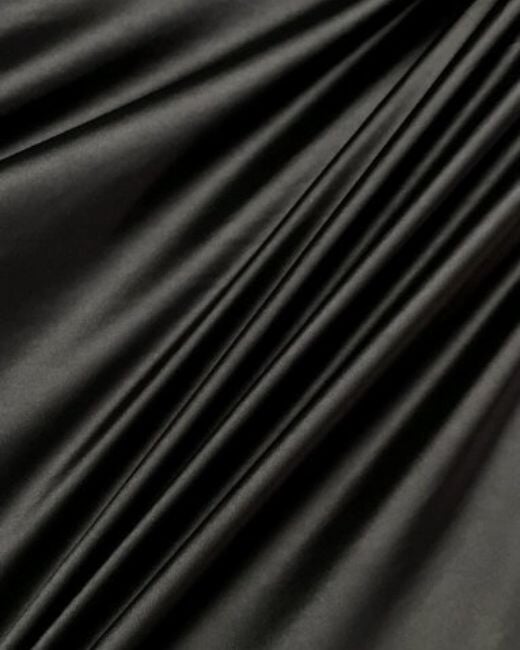
Faux Leather
Usually used for fitted pants, statement pants, edgy looks, and sleek silhouettes. Great when the fabric itself is meant to be part of the visual impact.
Denim
- Denim is great for pants because it holds shape well, but heavier denim can feel bulky at waistbands, hems, pockets, and belt loops.
- The heavier the denim, the more important it is to reduce bulk at seam intersections.
- Stiffer denim gives more structure, while softer denim gives a more relaxed result.
- The wrong denim weight can completely change how the pants hang.
Wool
- Wool is excellent for tailored pants because it presses beautifully and often gives a very refined finish.
- Depending on the weight, it can add warmth and structure, but some wools may feel too heavy for softer silhouettes.
- Testing heat and pressing first matters, because some wool surfaces can mark or flatten.
- Wool is a strong choice when you want trousers to look polished and expensive.
Wool Blends
- Wool blends are often easier and more practical than pure wool while still giving that elevated trouser look.
- They are great when customers want structure without pants feeling overly rigid.
- Some blends sew more predictably and wear more easily than pure wool.
- Great for tailored styles, pleats, and cleaner silhouettes.
Suiting Fabrics
- Suiting fabrics are ideal for trousers because they hold shape well, but that also means fitting issues can show clearly.
- Waist, hip, and rise fit matter more in structured fabrics.
- Good suiting usually presses well, which helps create a sharper finish.
- Heavier suiting can create bulk in waistband and pocket areas.
Crepe
- Crepe is one of the best options for elegant pants because it looks refined without feeling too stiff.
- It works especially well for trousers that need softer movement or a more fluid wide-leg shape.
- It shows fit and finishing clearly, especially in minimalist designs.
- A good-quality crepe is beginner-friendlier than slippery or heavily textured fabrics.
Poplin
- Poplin gives a crisp clean look, but it is usually better for lighter pants than heavy tailored trousers.
- It can work beautifully for warm-weather pants and simpler structured styles.
- Because it is lighter, it may not give enough body for very dramatic wide-leg or formal trousers.
- Better for crispness than for flow.
Twill / Gabardine
- These are great for pants because they are stable and usually easier to sew than slippery fabrics.
- They hold shape well, but can feel heavier and less fluid than expected.
- Excellent for clean lines, structure, and everyday durability.
- Bulk can build up at waistband, hem, and pocket areas.
Linen / Linen Blends
- Great for relaxed pants, but pure linen wrinkles more easily than many customers expect.
- Linen blends are often easier if the goal is a softer look with a little more control.
- Best for breathable styles, not usually for sharp formal tailoring.
- They work well for easy wide-leg and flowy pants when comfort matters more than crispness.
Rayon / Challis / Drapey Wovens
- These are some of the best choices for flowy pants because they move beautifully and feel light.
- They are better for softness and drape than for structure.
- Very soft fabrics can cling more than expected or show seams more easily in closer fits.
- Best when the goal is movement, ease, and an airy relaxed silhouette.
Ponte / Structured Knits
- Ponte is popular for pants because it offers comfort and stretch while still looking polished.
- Recovery matters a lot, especially for fitted pants, to avoid bagging at the knees or seat.
- Better for slim pants and comfortable trousers than for very sharp pleated tailoring.
- Great for customers who want polish without stiffness.
Faux Leather
- Faux leather makes a strong statement, but seam bulk builds up quickly.
- Stretch faux leather is usually better for fitted pants than rigid faux leather.
- Too much unpicking can leave marks, so testing first helps.
- Heat should always be tested carefully.
- Choose denim if you want structured everyday pants, jeans-style looks, or a more casual durable finish.
- Choose wool if you want classic tailored trousers with warmth, body, and a refined finish.
- Choose wool blends if you want polished trousers with structure but a more wearable everyday feel than pure wool.
- Choose suiting if you want formal or professional trousers with clean lines and a tailored result.
- Choose crepe if you want elegant pants with softer movement, fluid wide-leg shapes, or a more refined look without stiffness.
- Choose poplin if you want lighter crisp pants for warm weather or simpler clean silhouettes.
- Choose twill or gabardine if you want structure, durability, and pants that hold their shape well.
- Choose linen or linen blends if you want breathable relaxed pants, easy wide-leg styles, or softer warm-weather looks.
- Choose rayon, challis, or other drapey wovens if you want flowy pants with soft movement and a lighter feel.
- Choose ponte or structured knits if you want comfort, stretch, and a neater everyday trouser look.
- Choose stretch suiting or stretch twill if you want fitted trousers with more movement and ease.
Choose faux leather if you want sleek statement pants or fitted edgy styles.
Crepe
Loved for elegant trousers, softer tailoring, and flowy wide-leg pants that still look polished.
Stretch Denim Twill
Popular for fitted denim look pants that create great silhouettes.
Deluxe Gabardine
Perfect for slick suiting. Super easy to work with. Wrinkle free.
Wool Blends
Loved for polished trousers that feel refined without being too stiff.
Rayon / Drapey Wovens
A favorite for flowy pants, vacation styles, and easy wide-leg silhouettes.
Stretch Faux Leather
A favorite for fitted statement pants with a sleek finish.
- The same pants pattern can look completely different depending on whether the fabric is drapey, structured, or stretchy.
- For tailored pants, body and weight usually matter more than softness.
- For fitted pants, recovery matters just as much as stretch.
- For flowy pants, drape matters more than structure.
- Heavier fabrics can add bulk at waistbands, pockets, and hems.
- If you want wide-leg or flowy pants to hang beautifully, the fabric weight and drape matter a lot.