


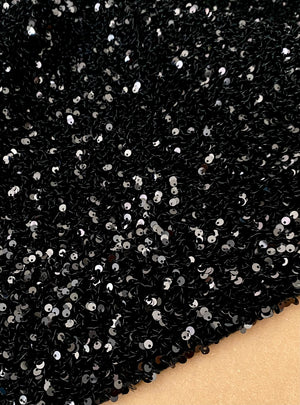
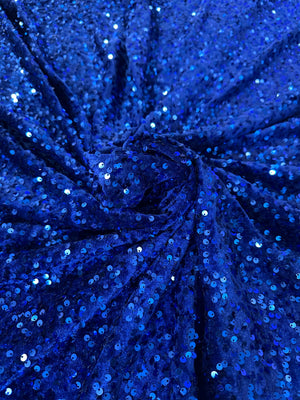
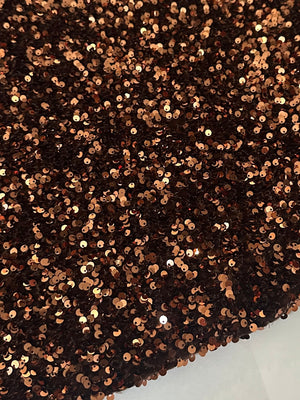
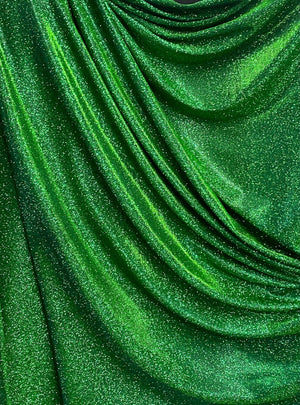

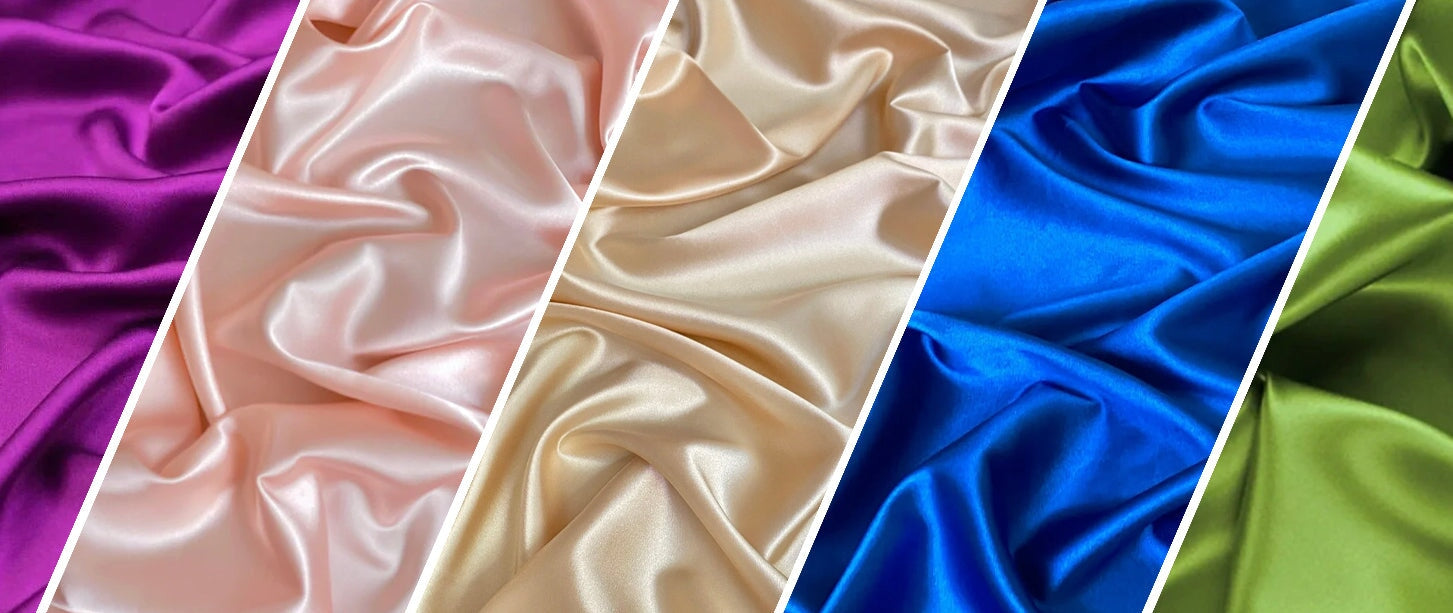
Silk Fabric
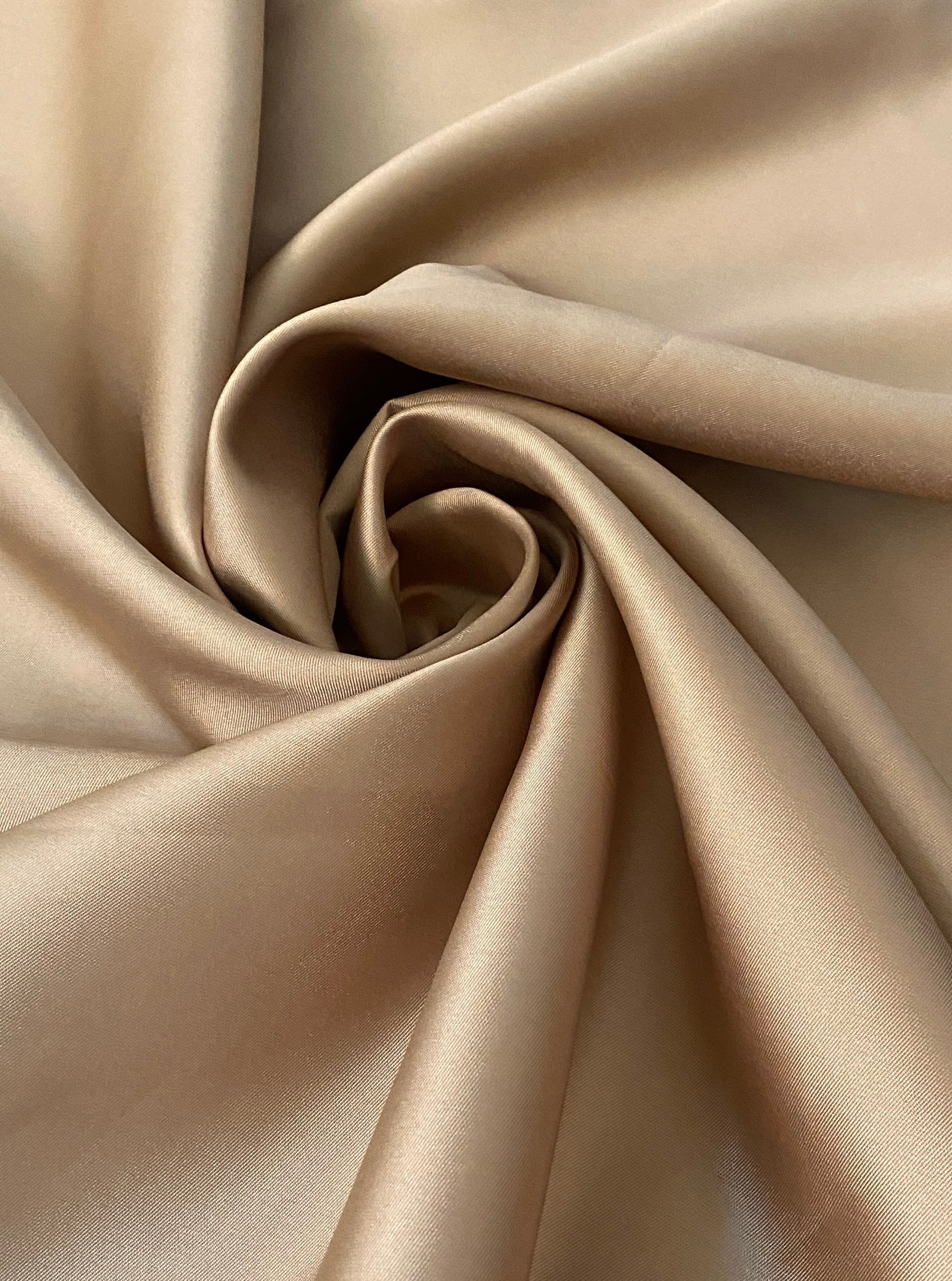
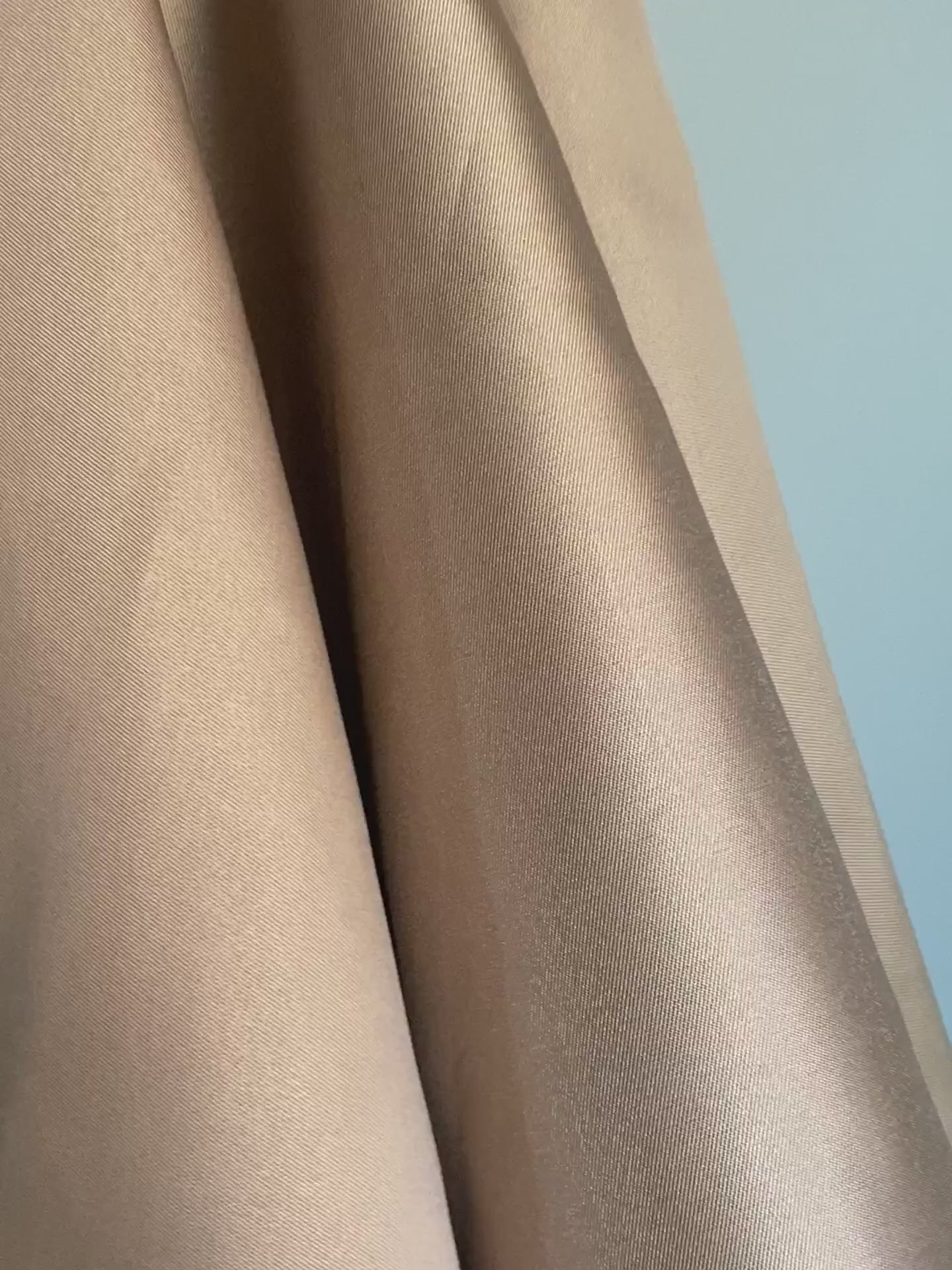
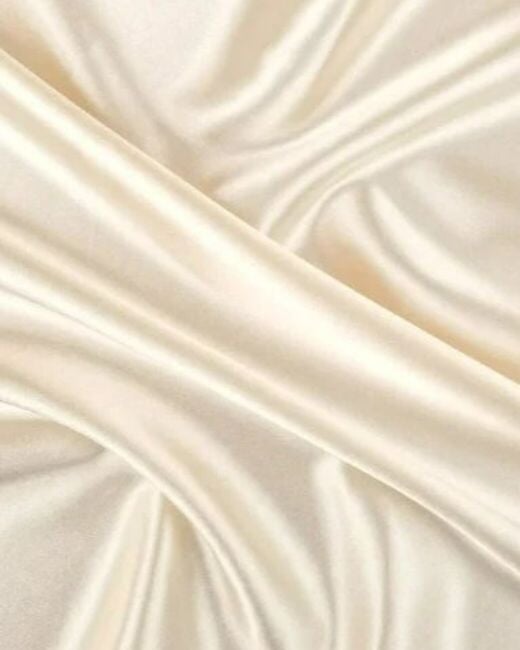
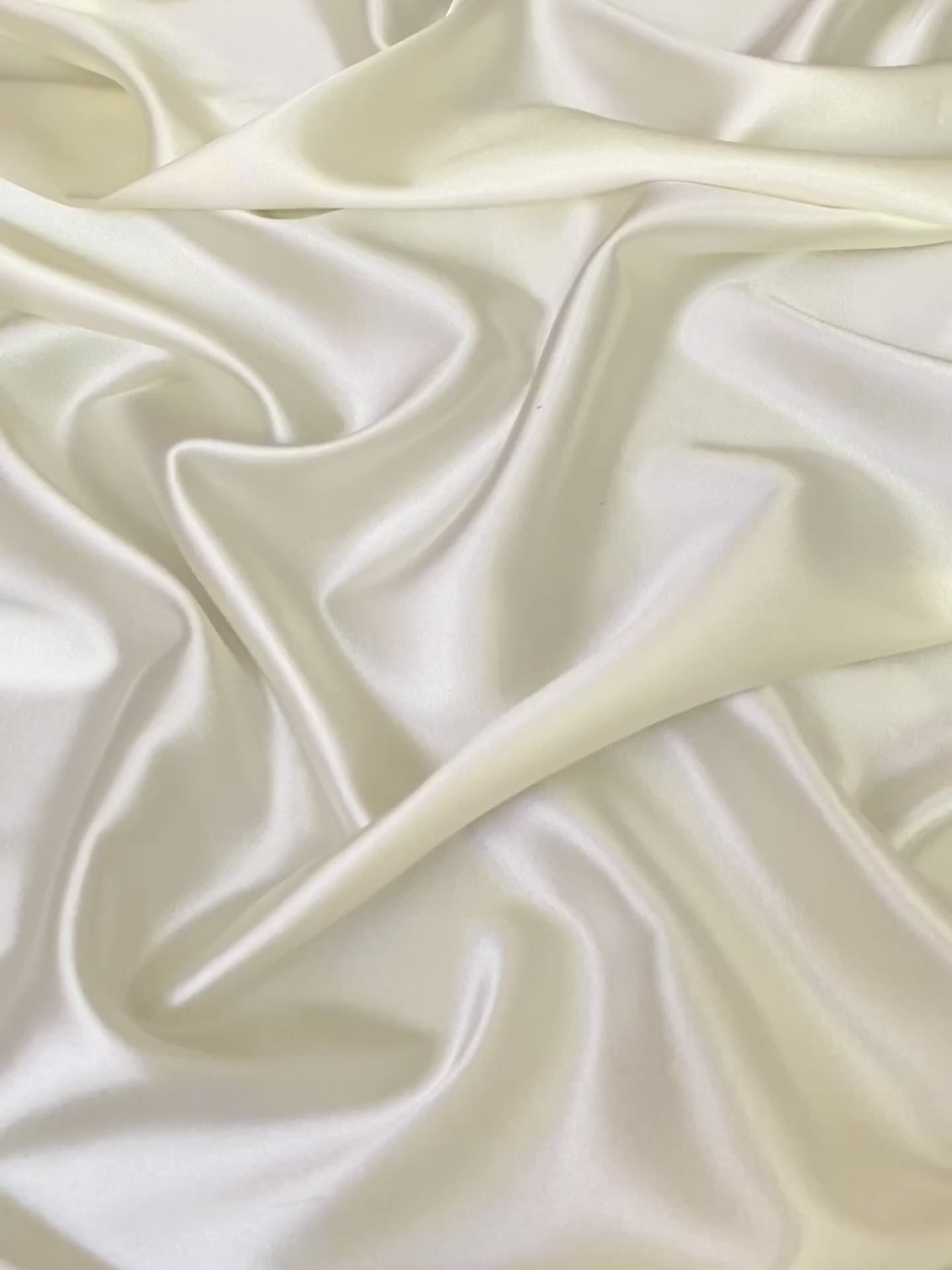
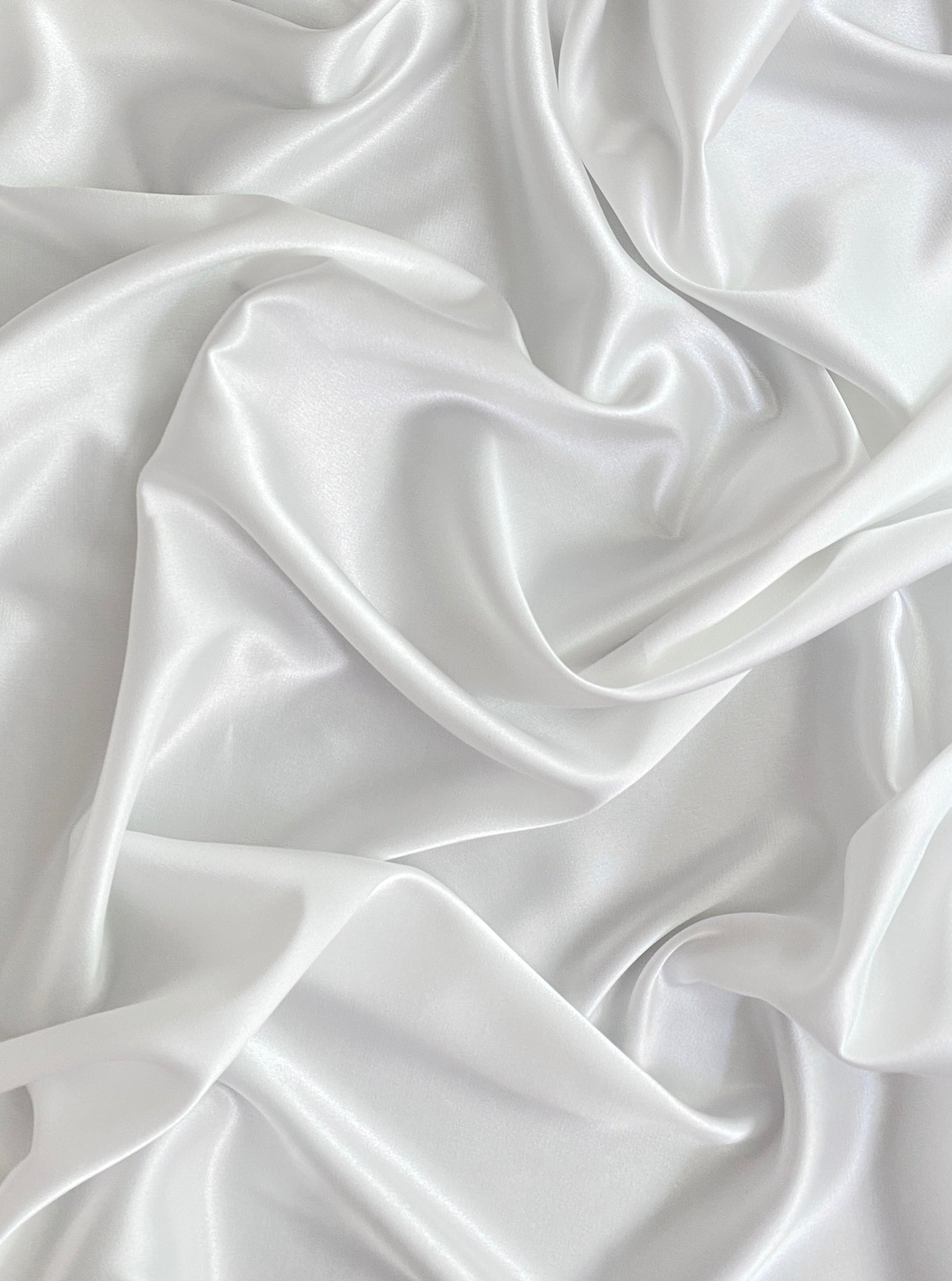
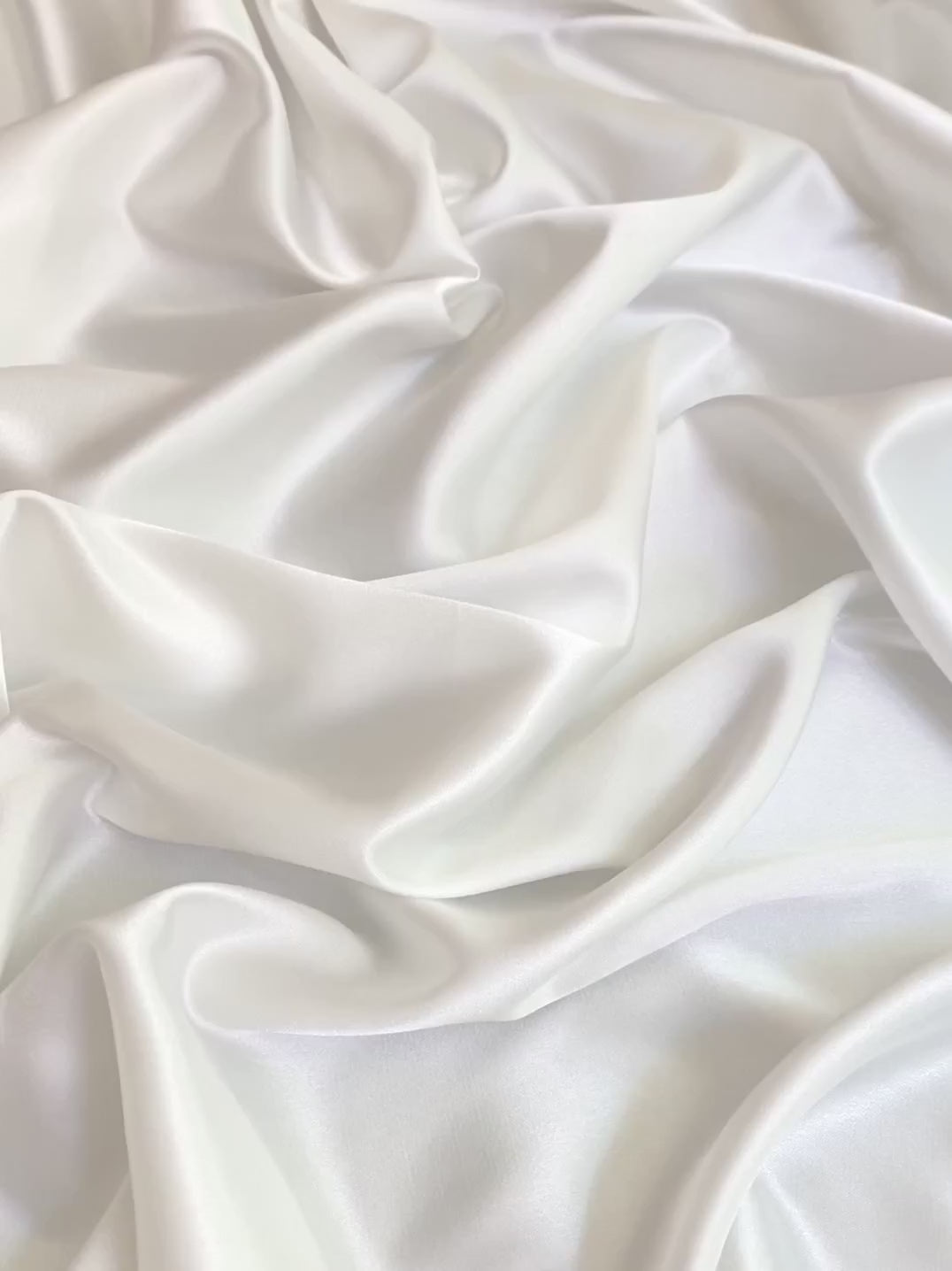
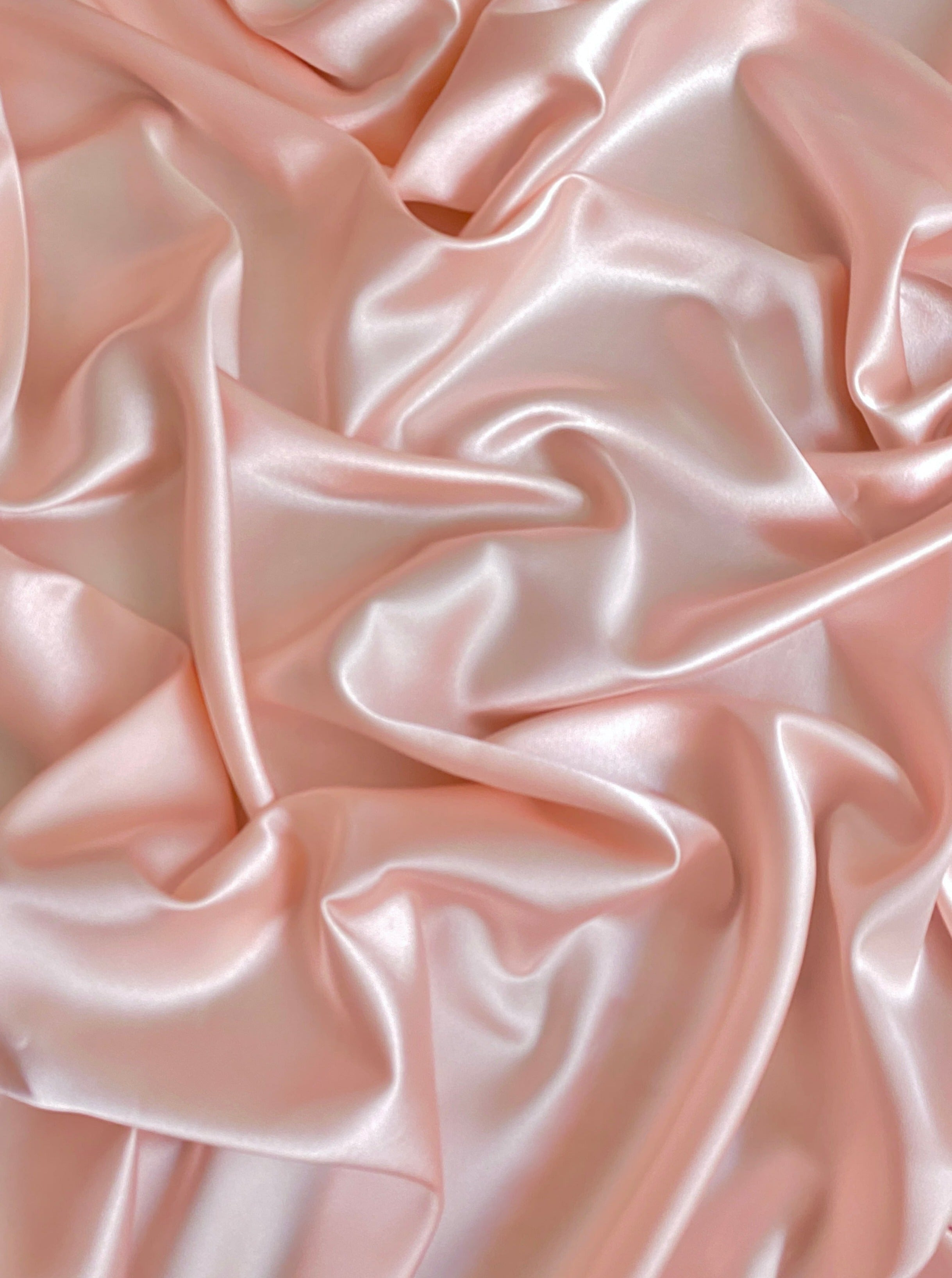
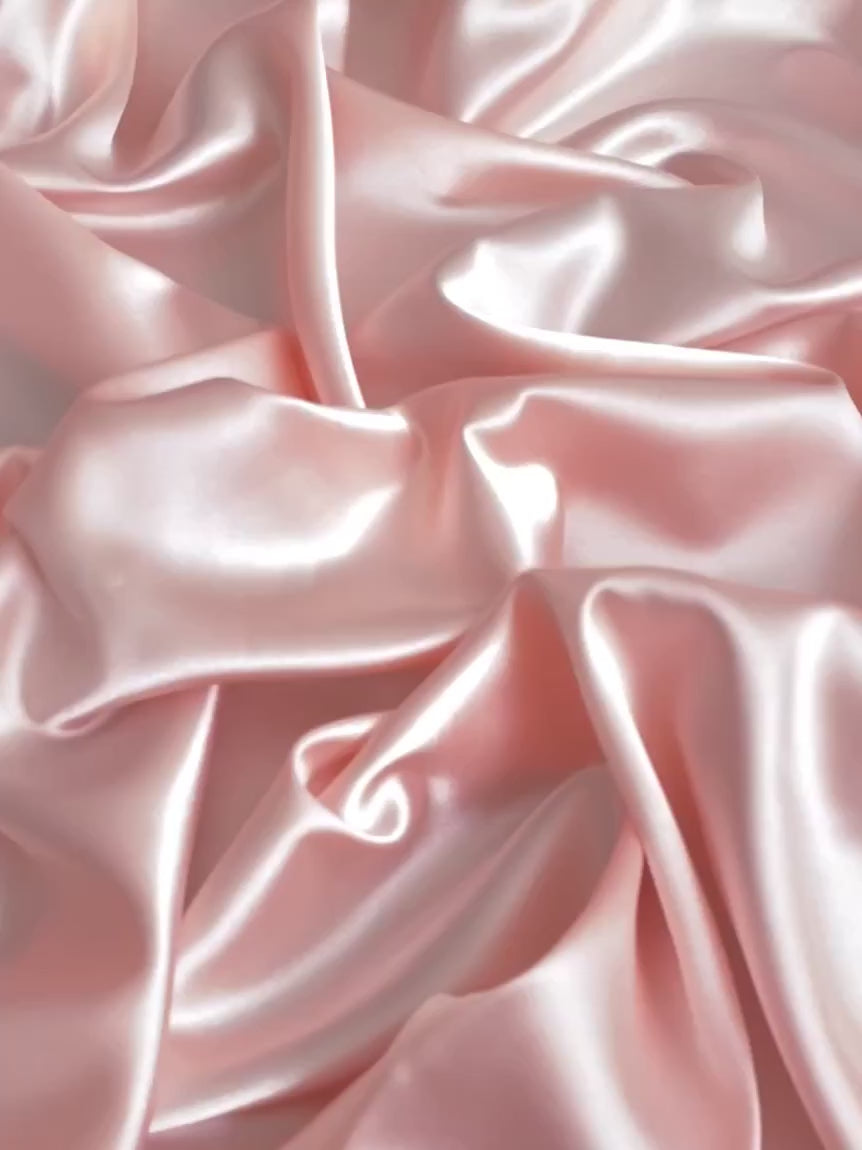
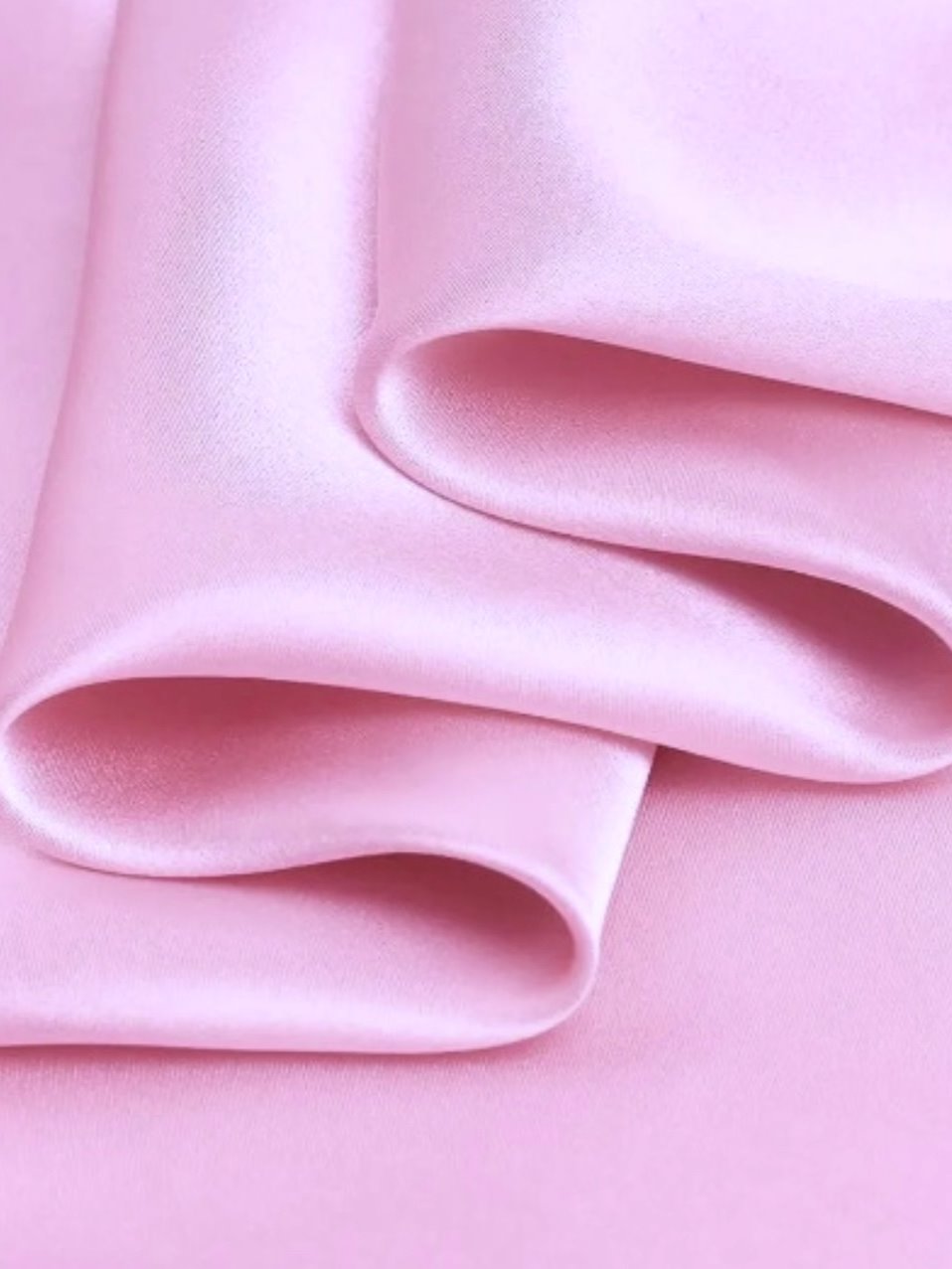
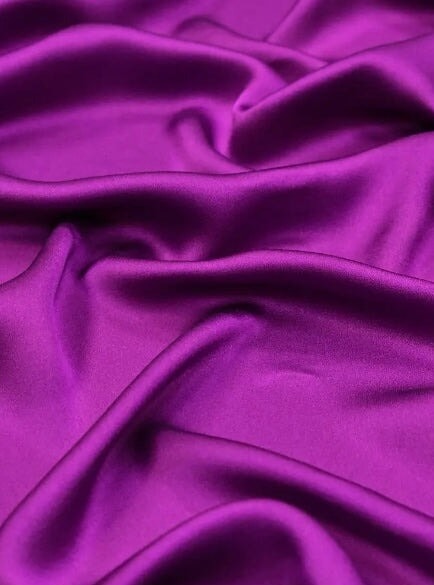
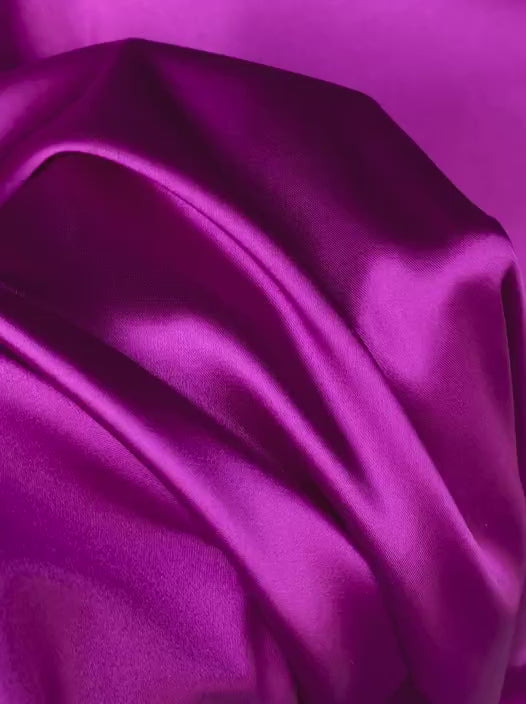
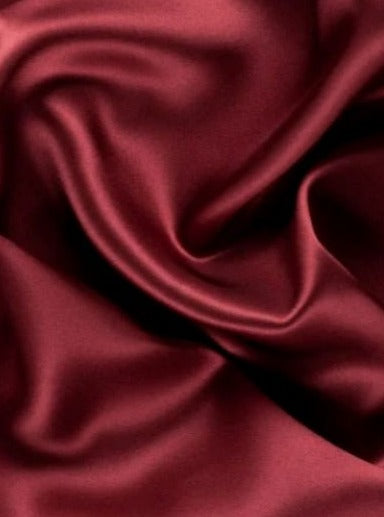
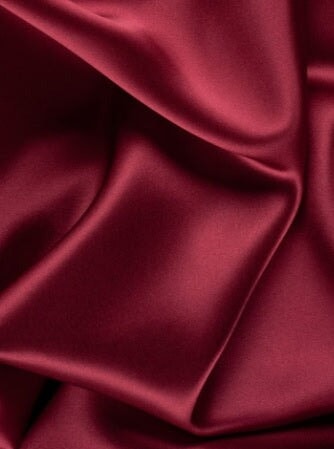
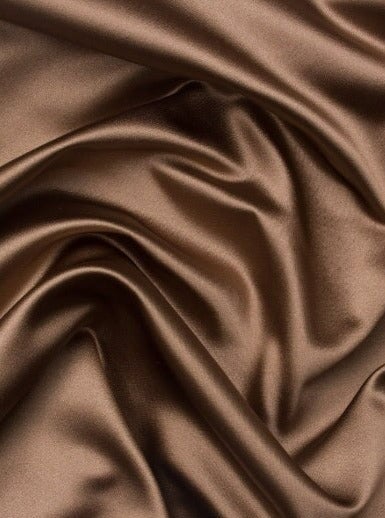
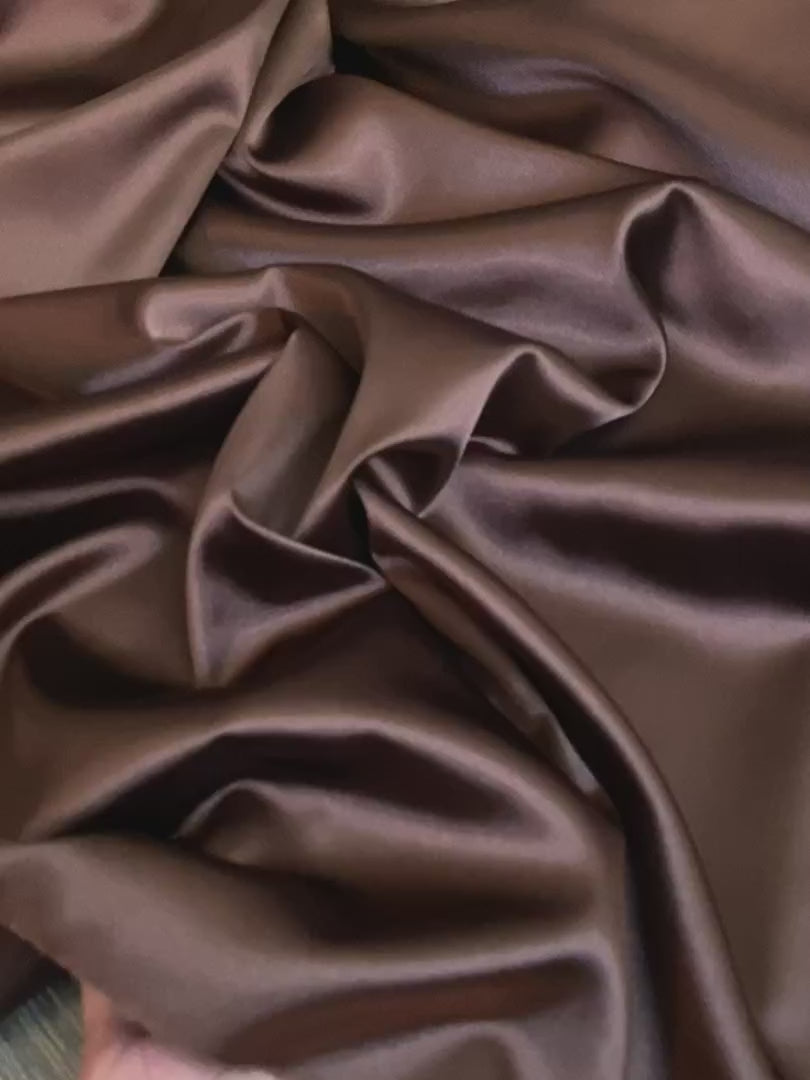
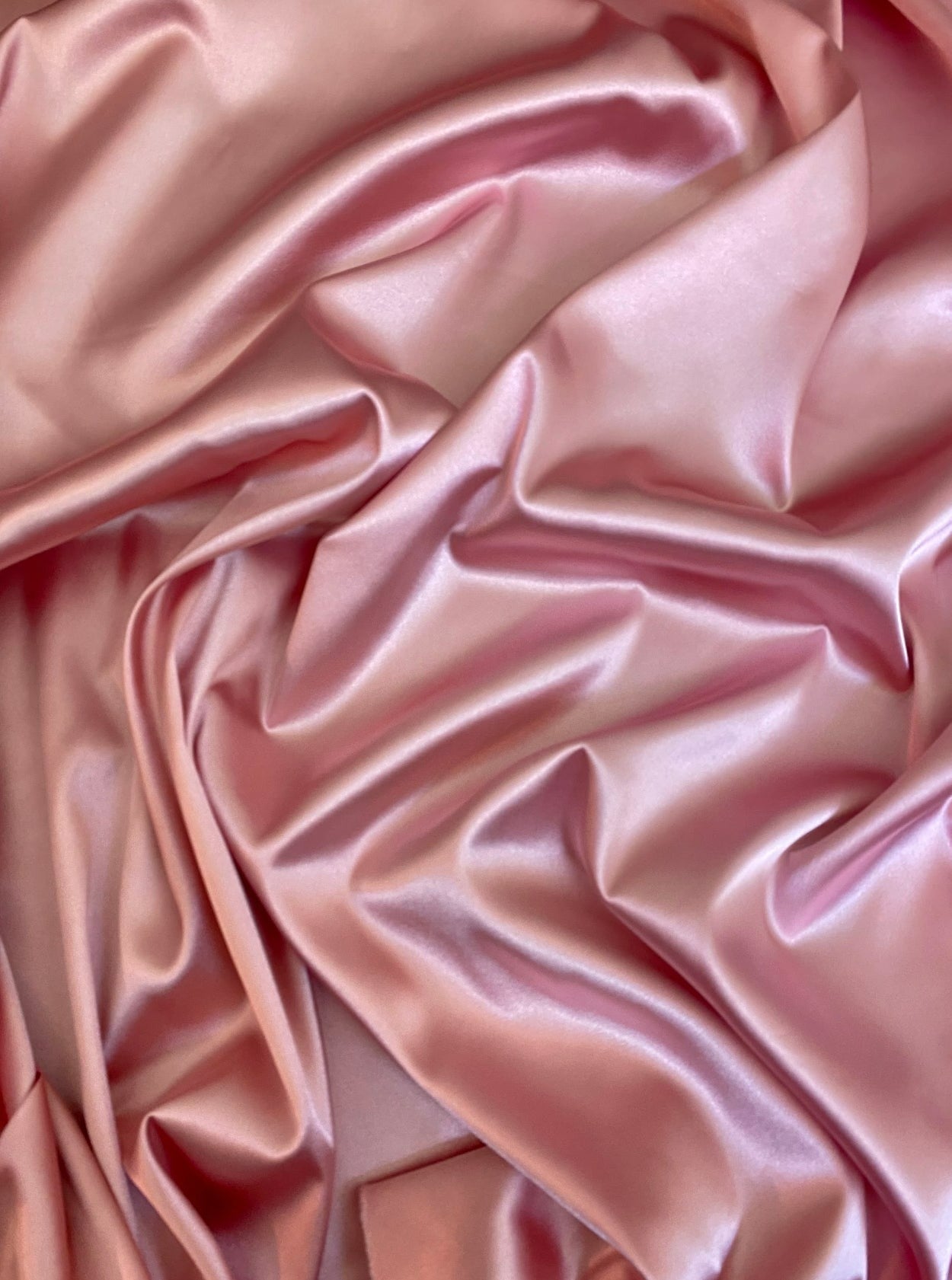
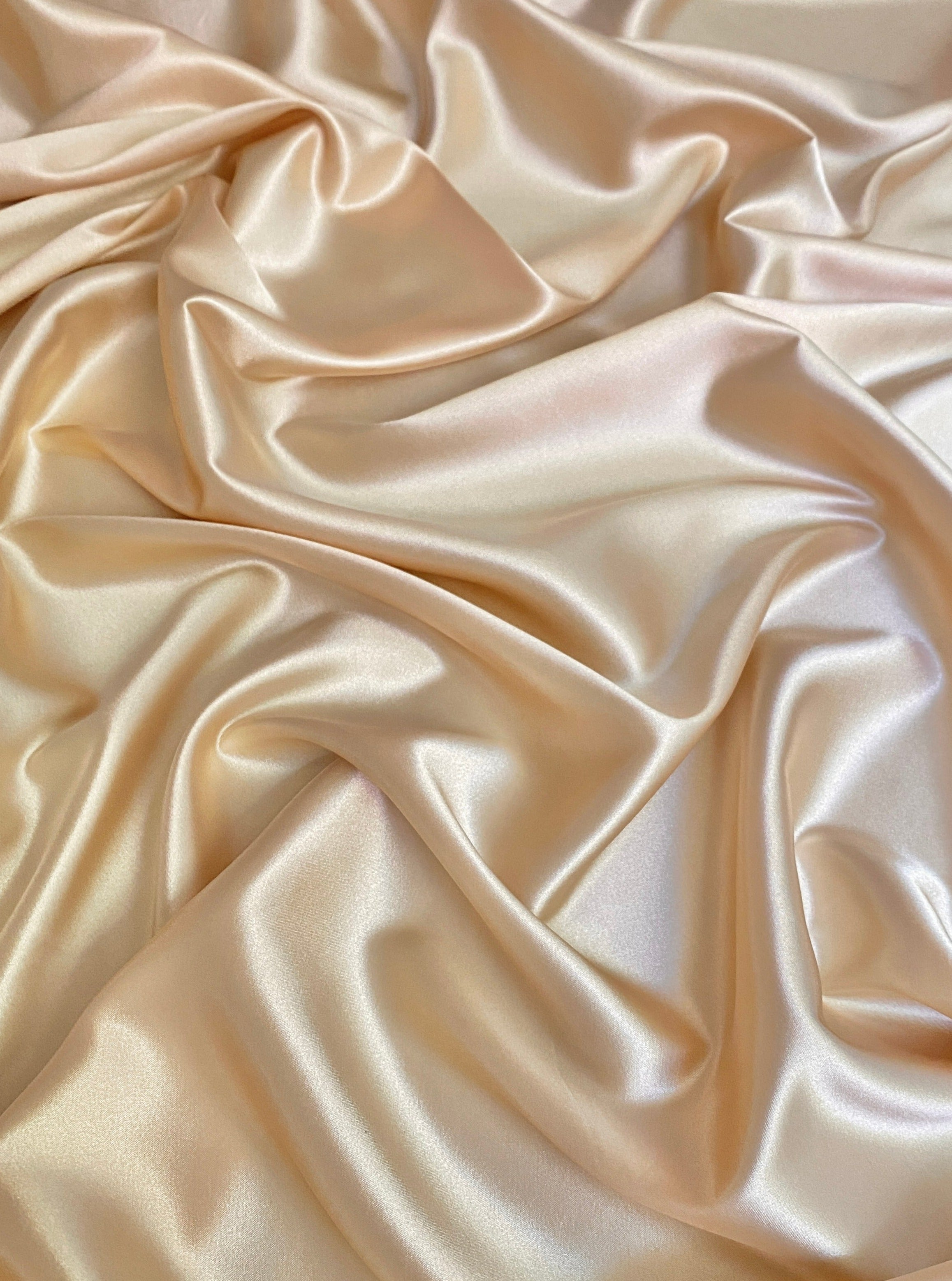
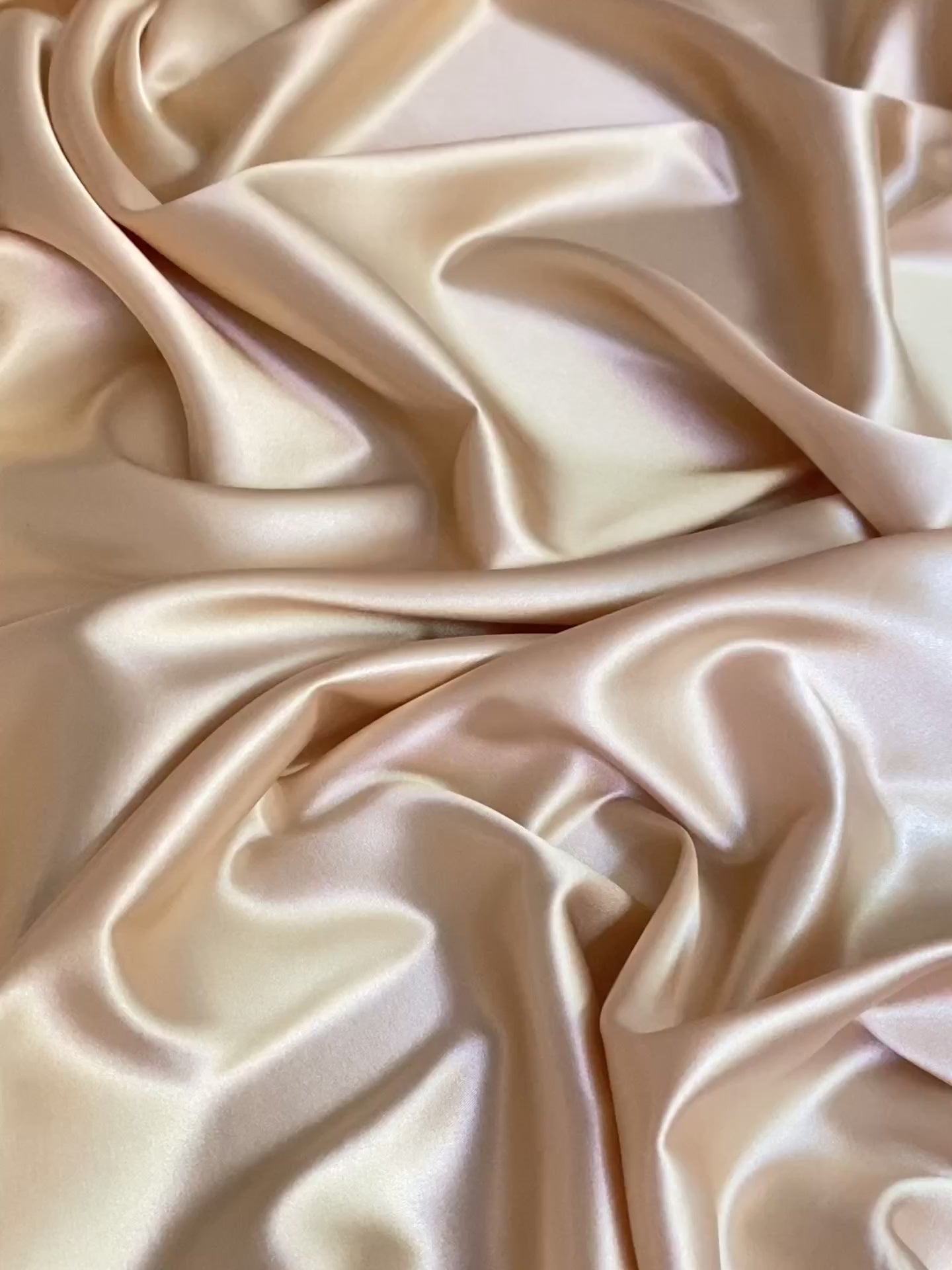
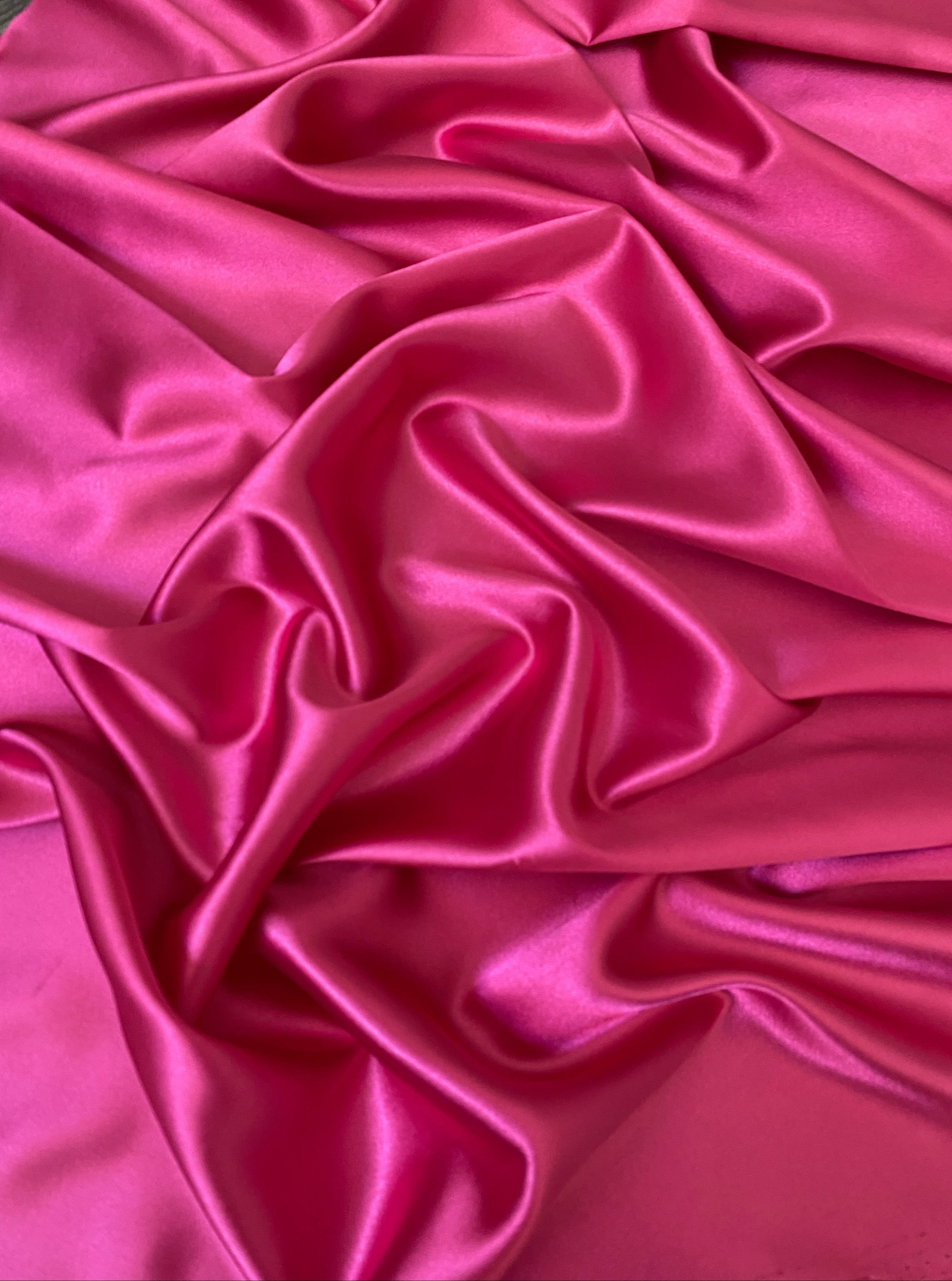
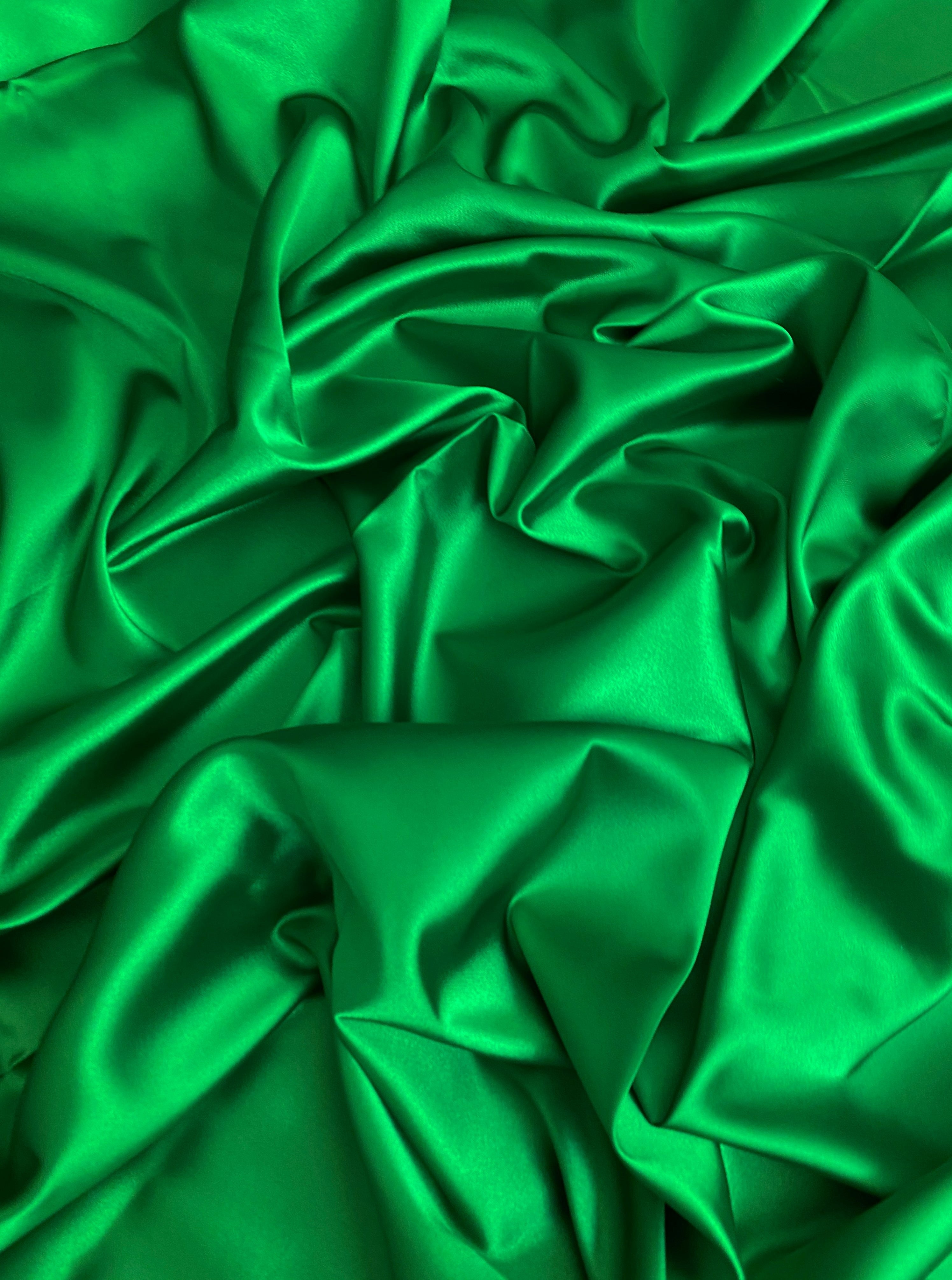
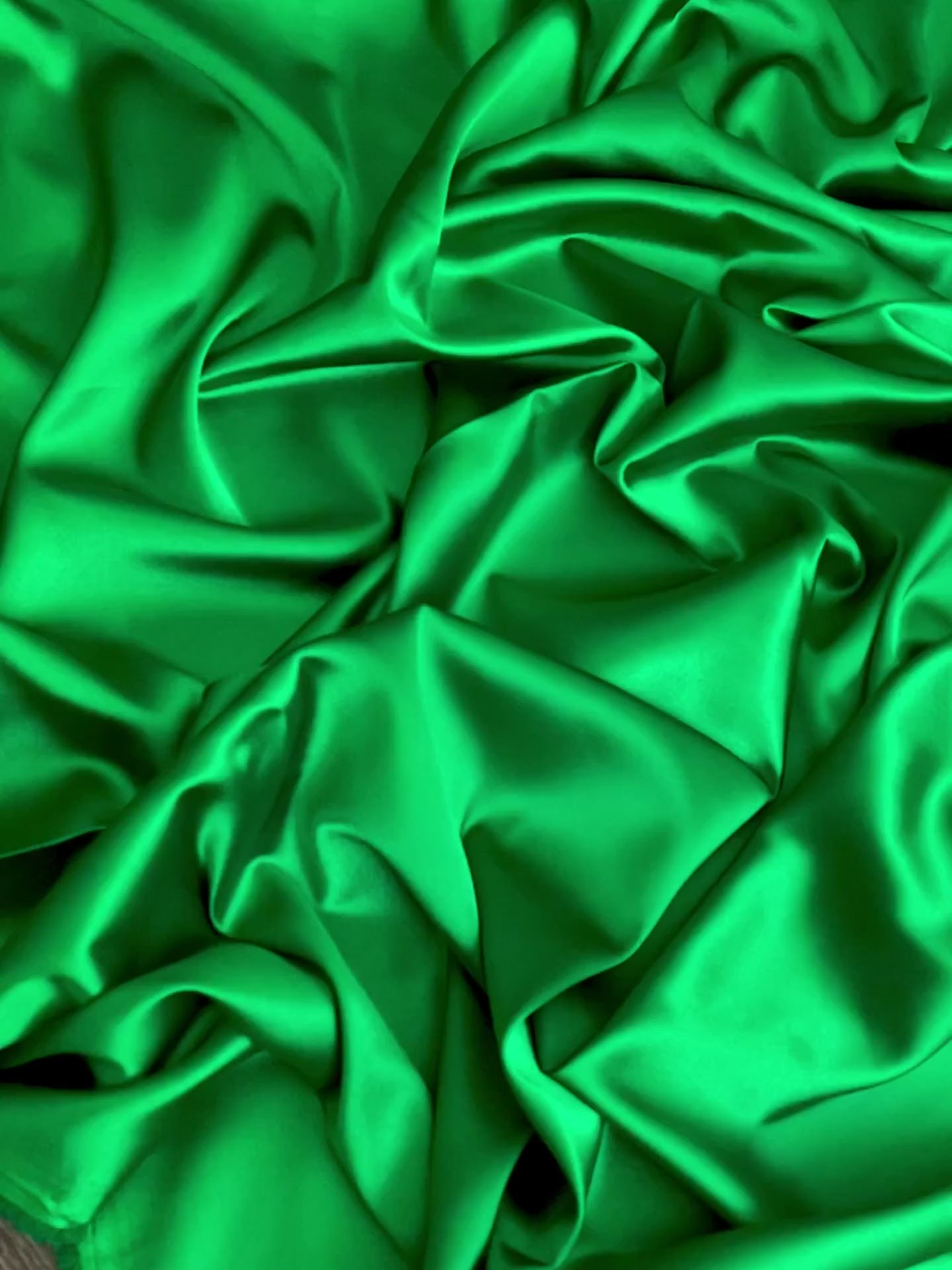
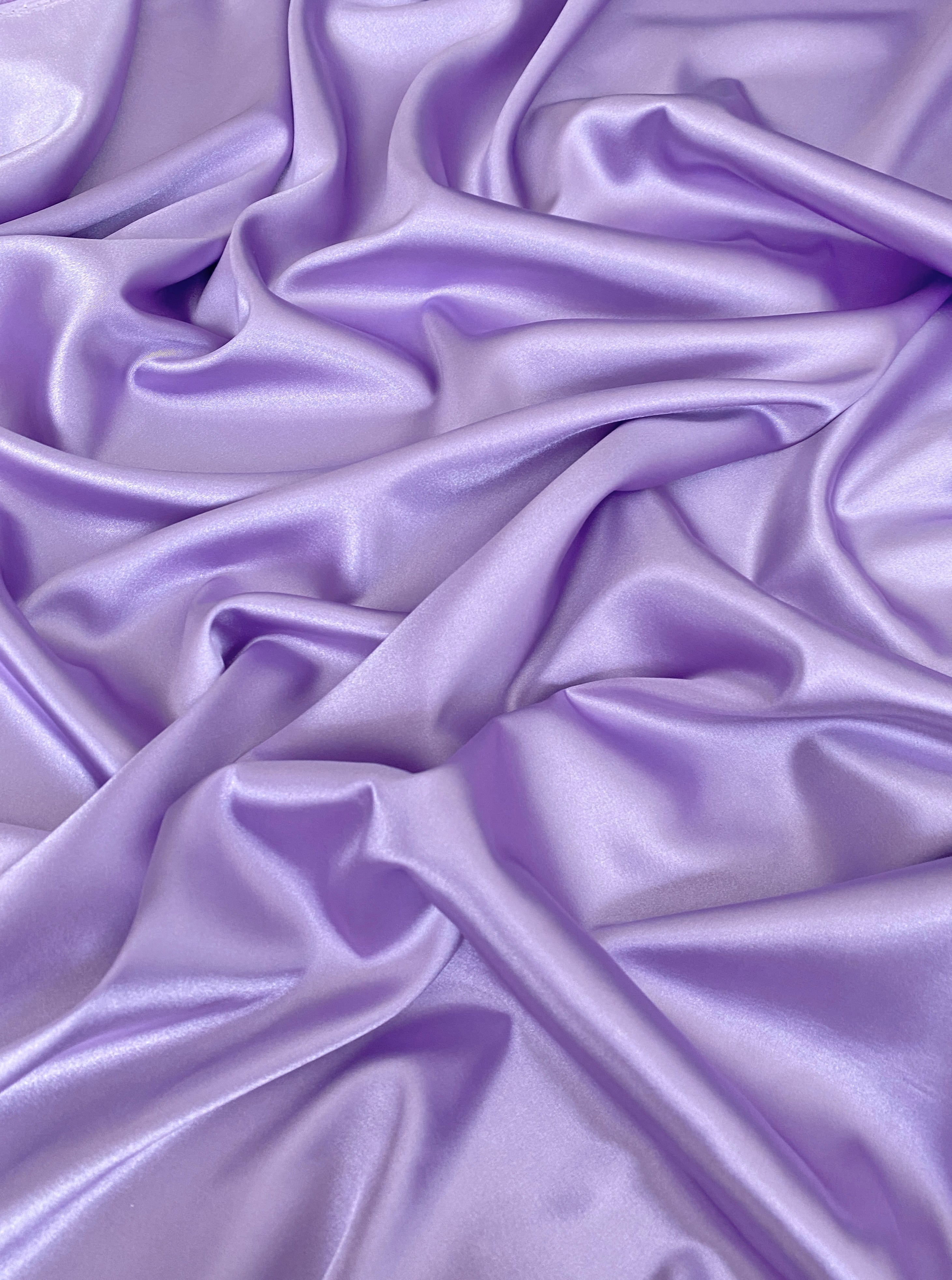
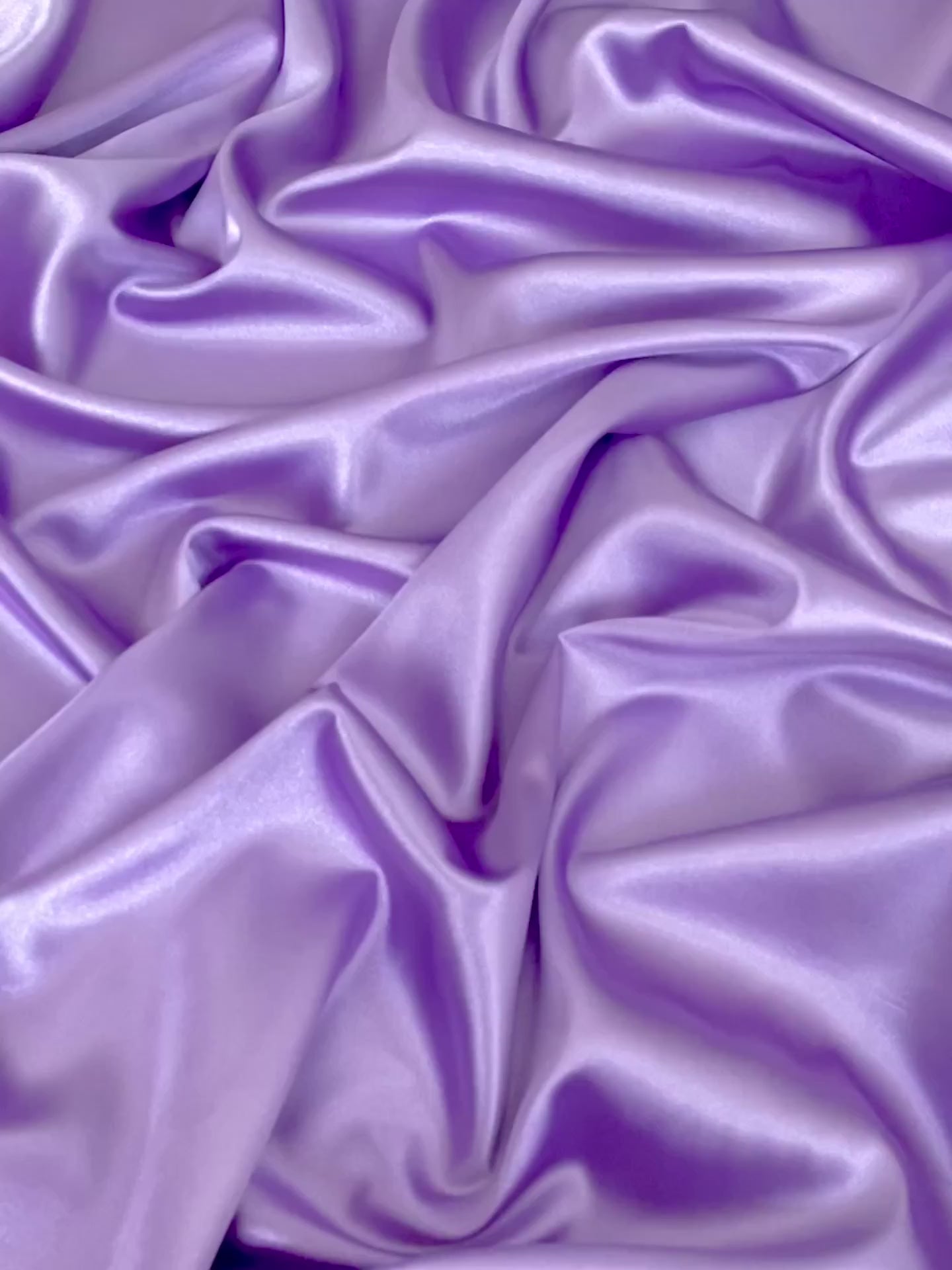
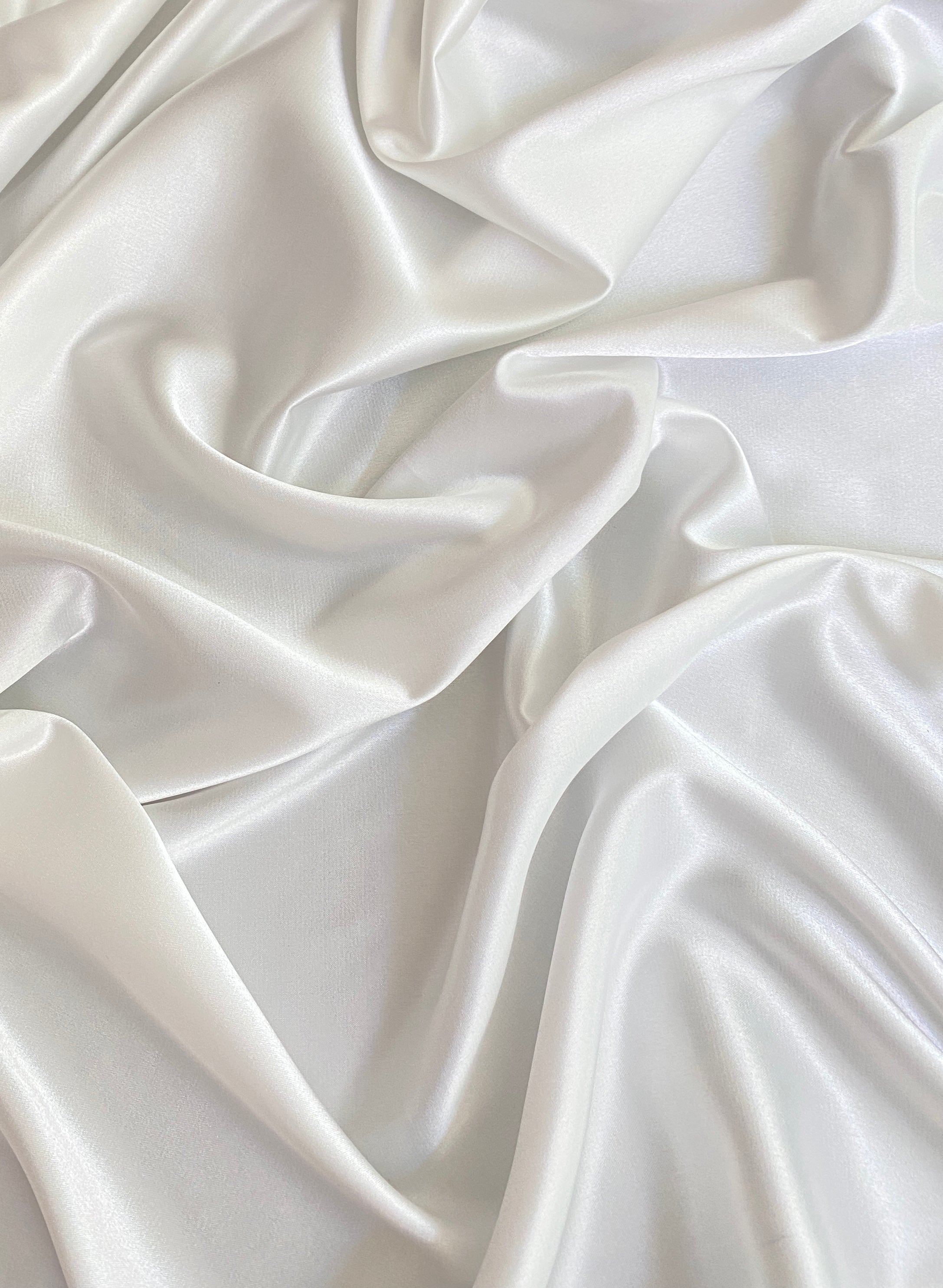
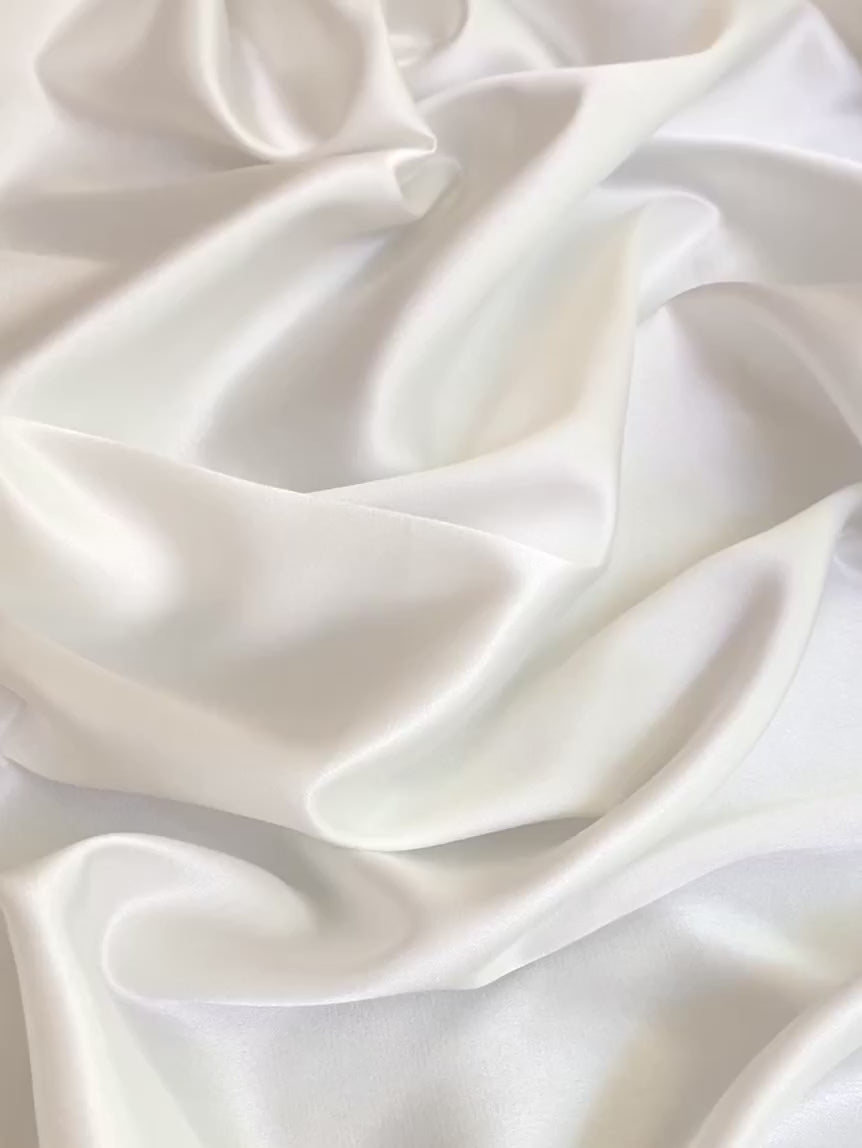
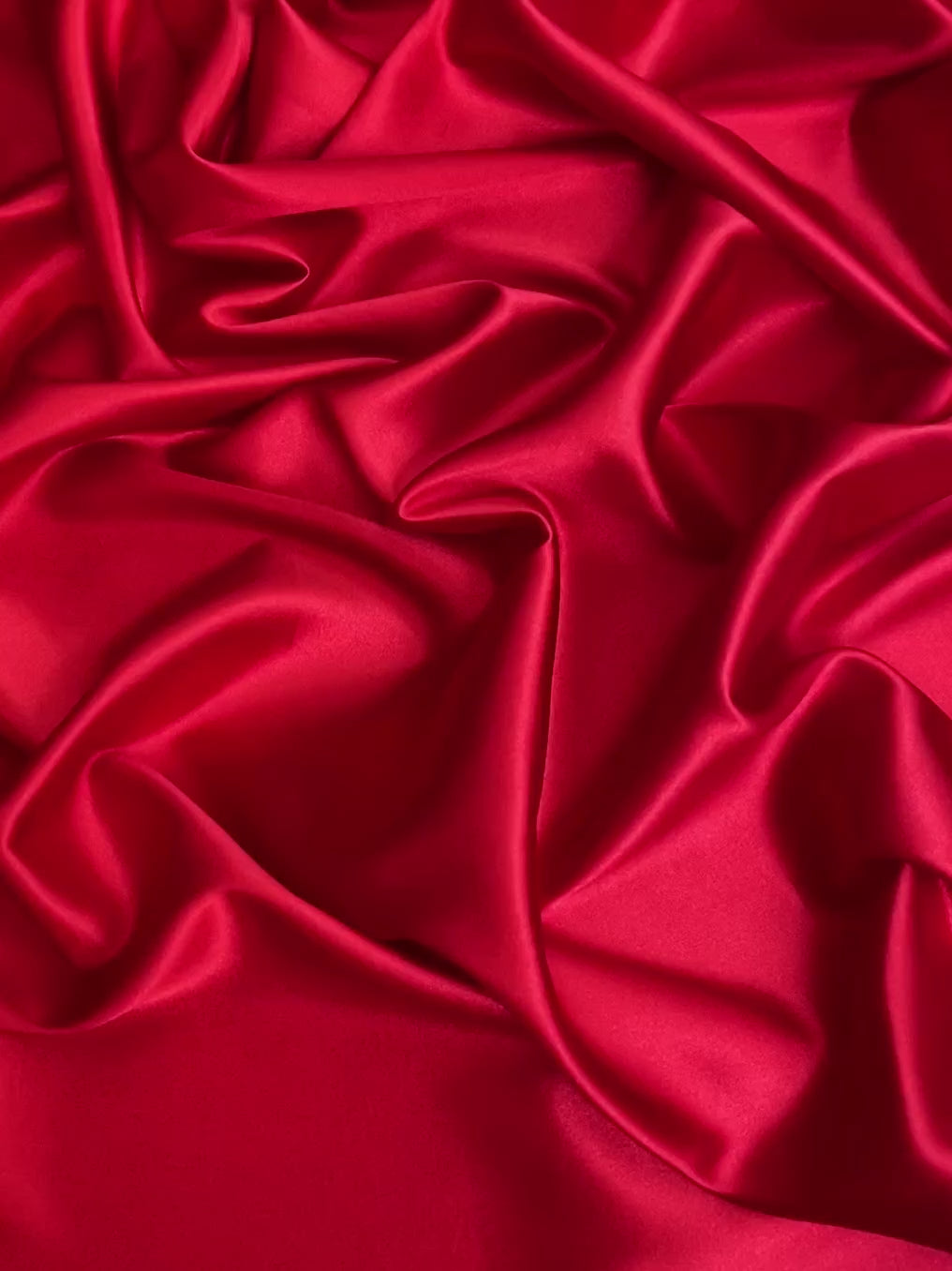
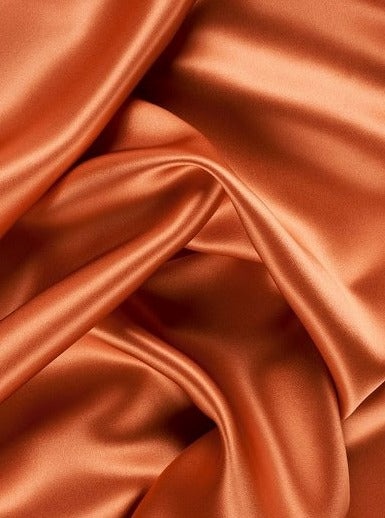
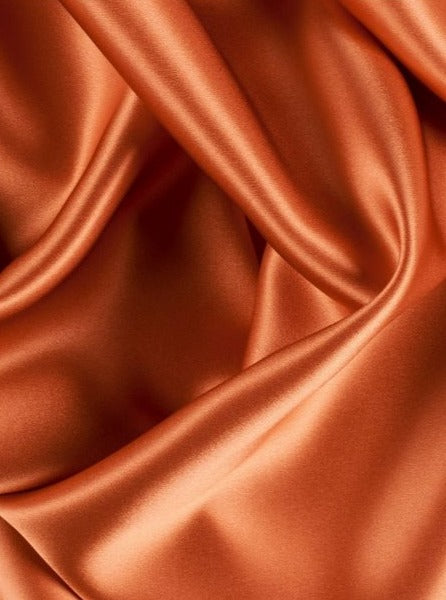
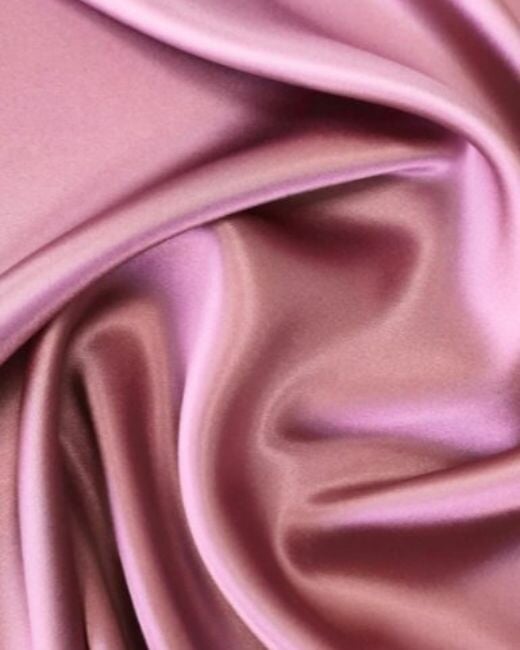

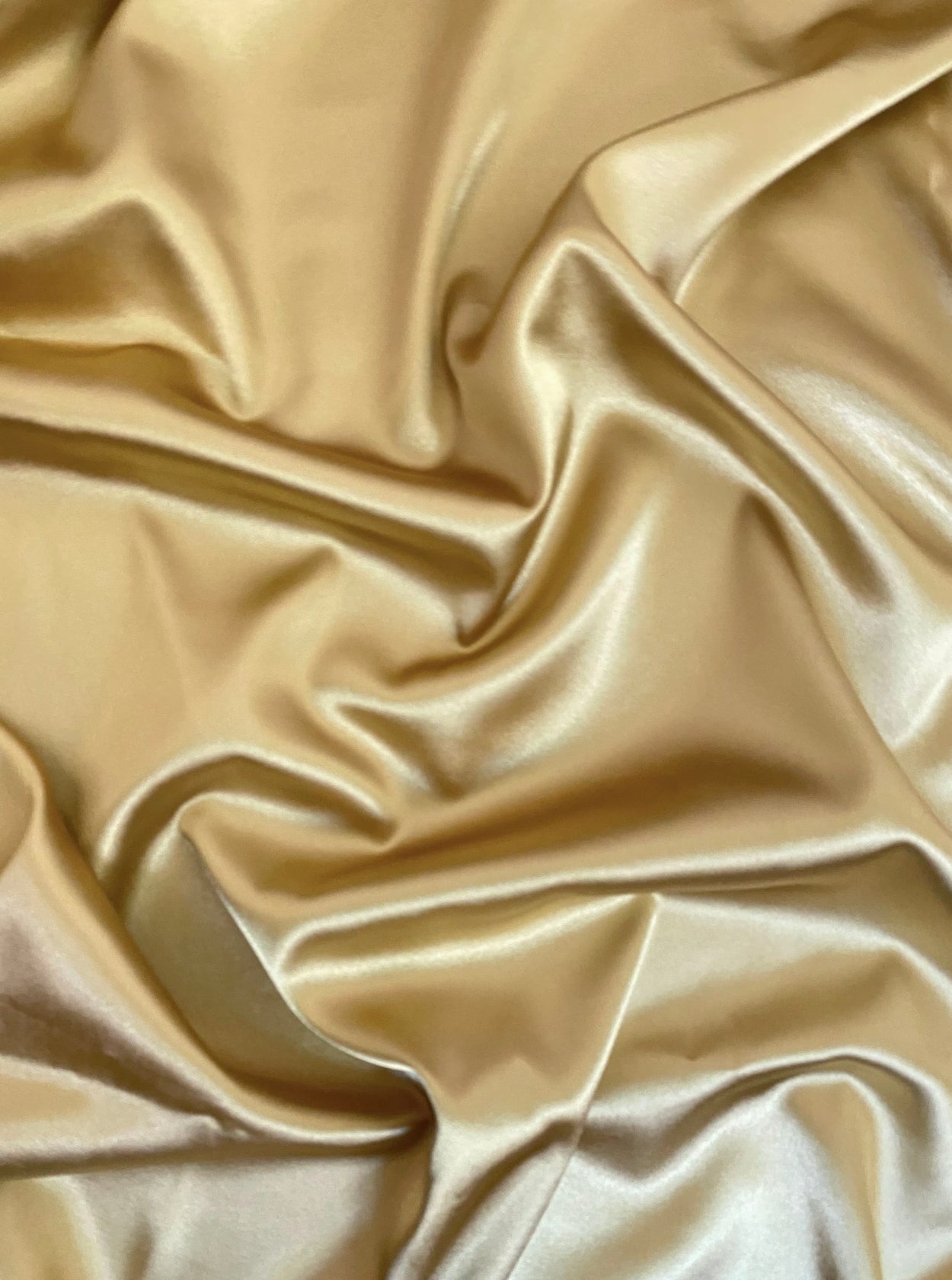
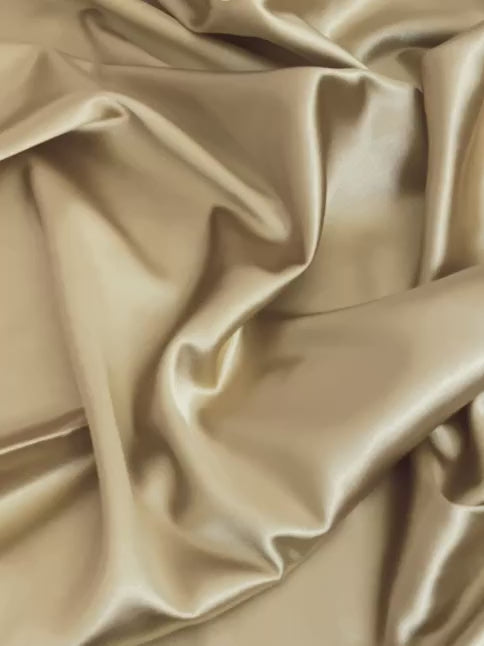
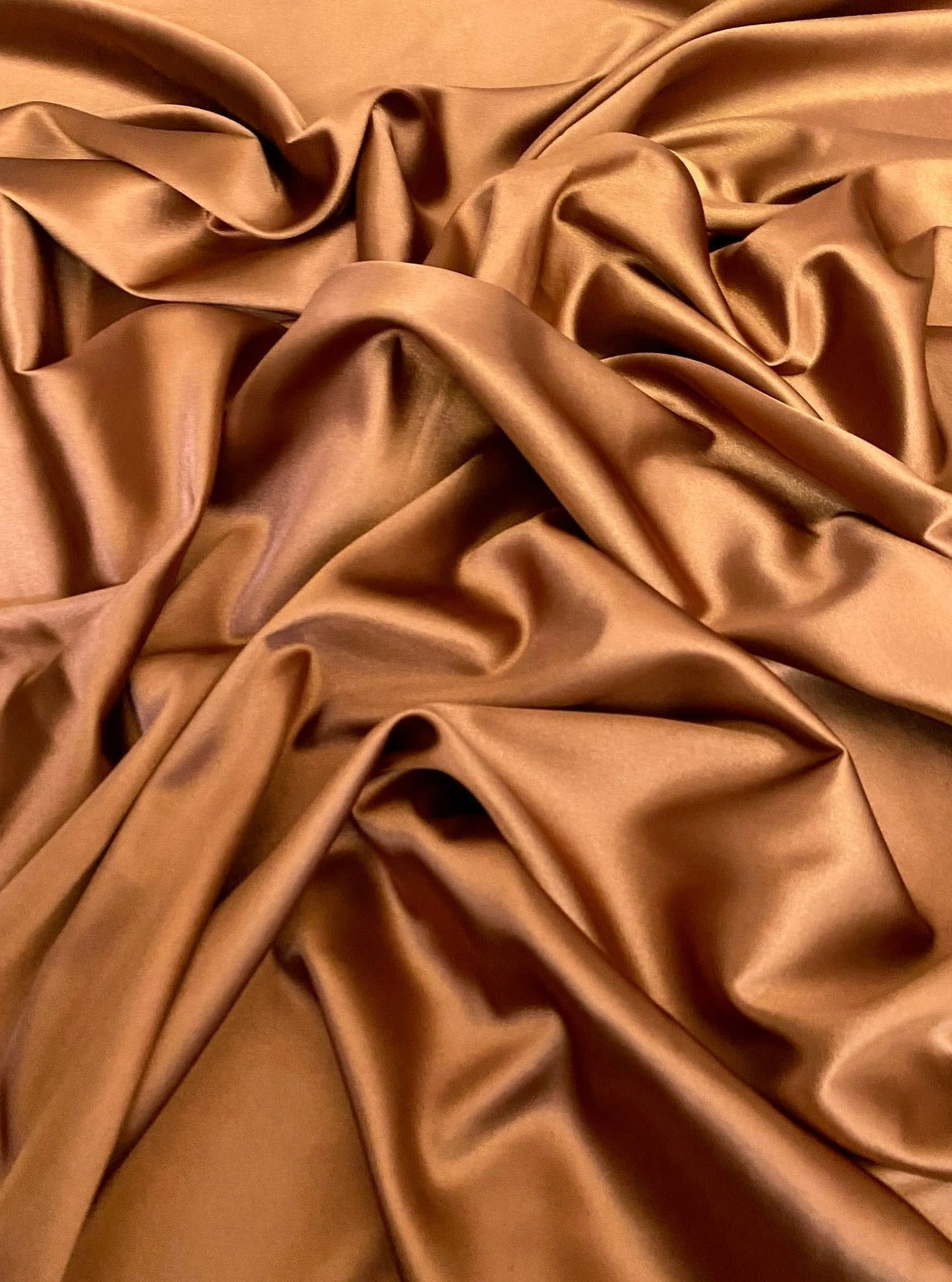
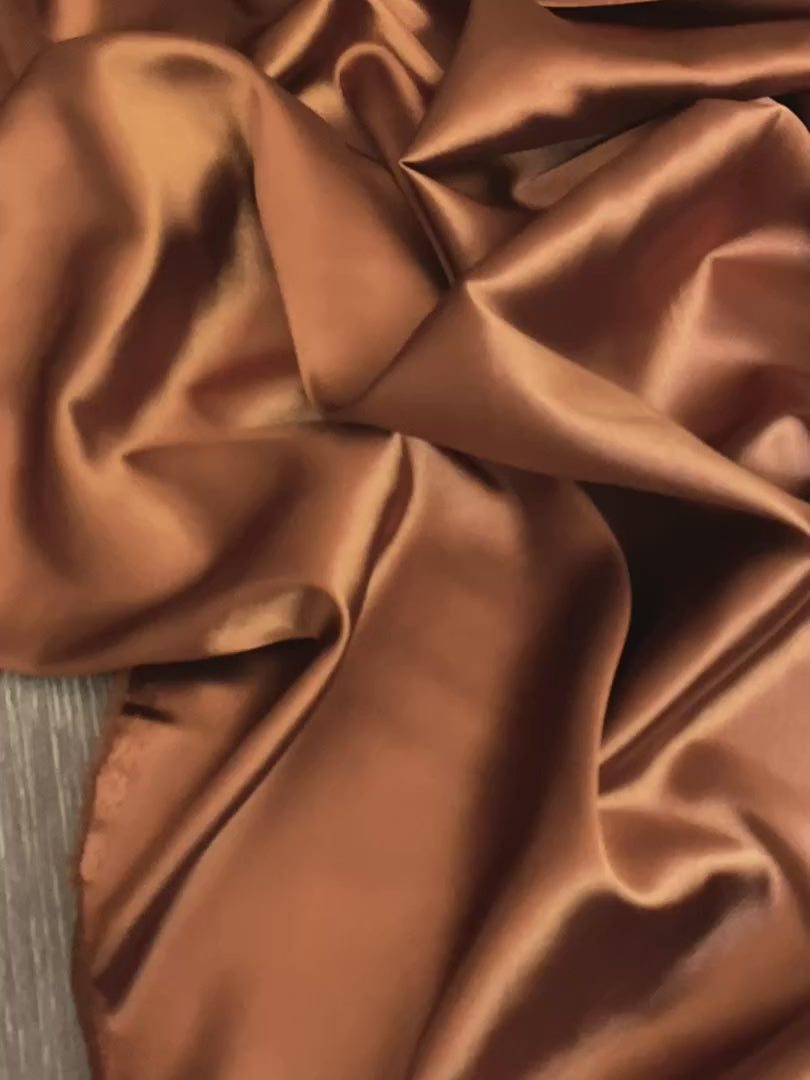
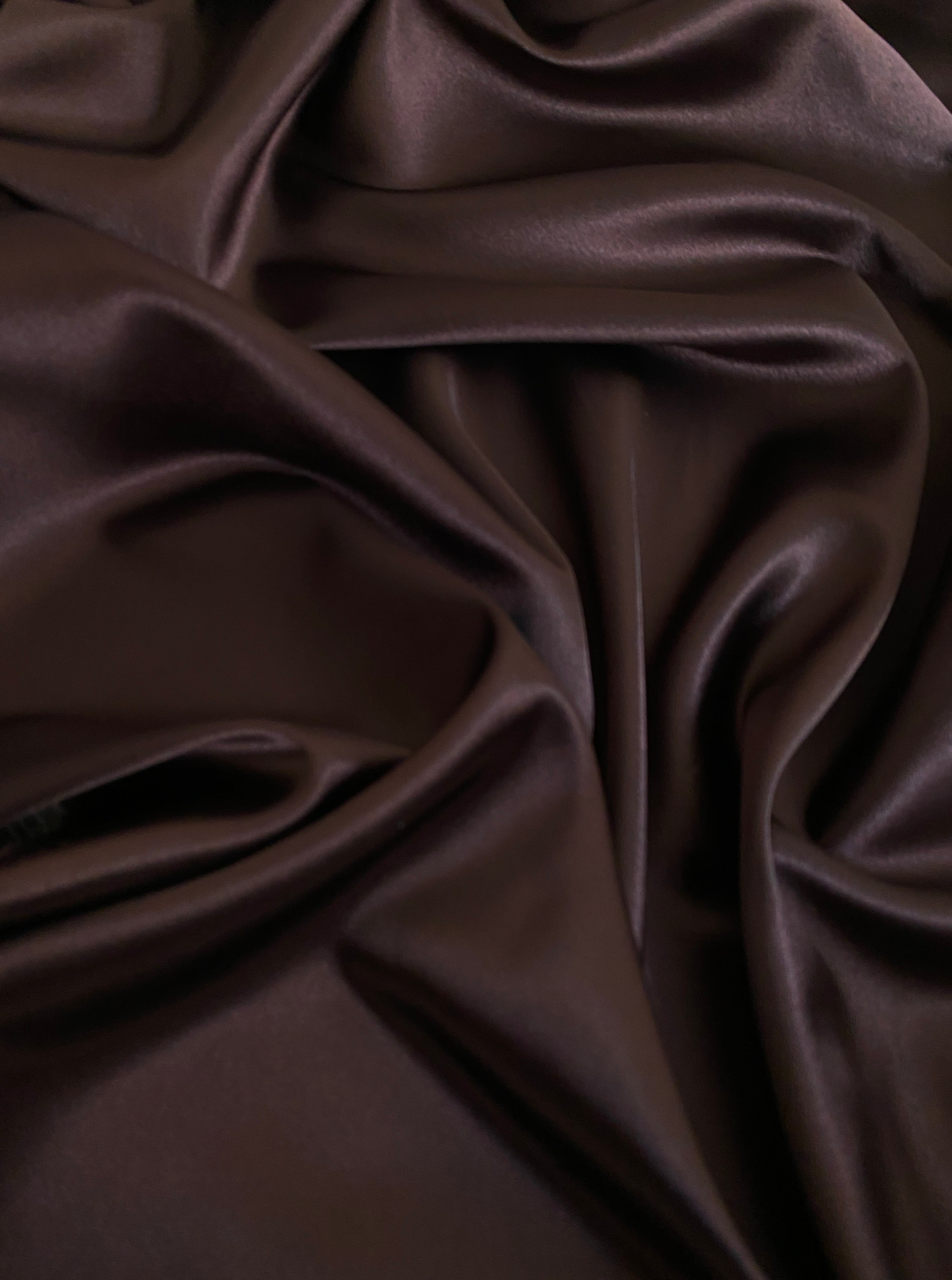
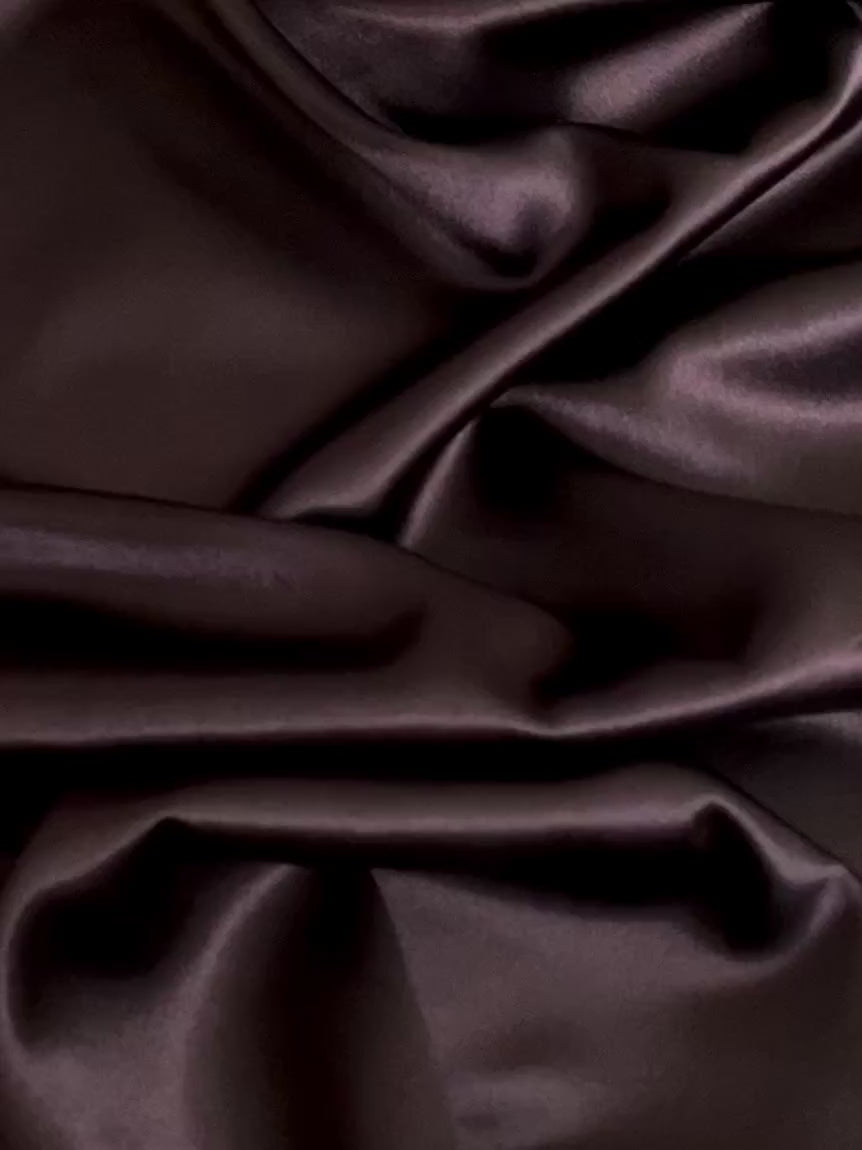
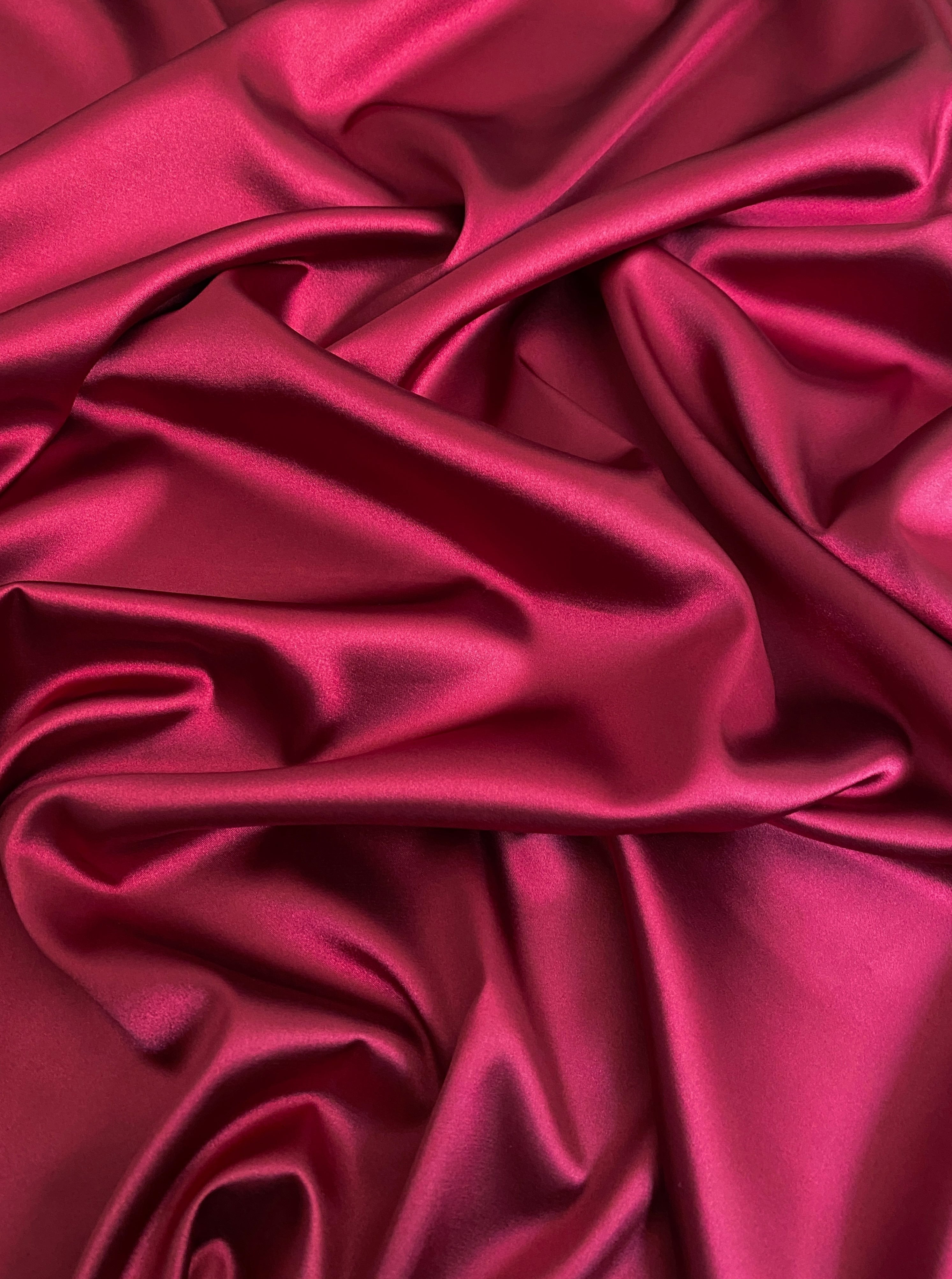
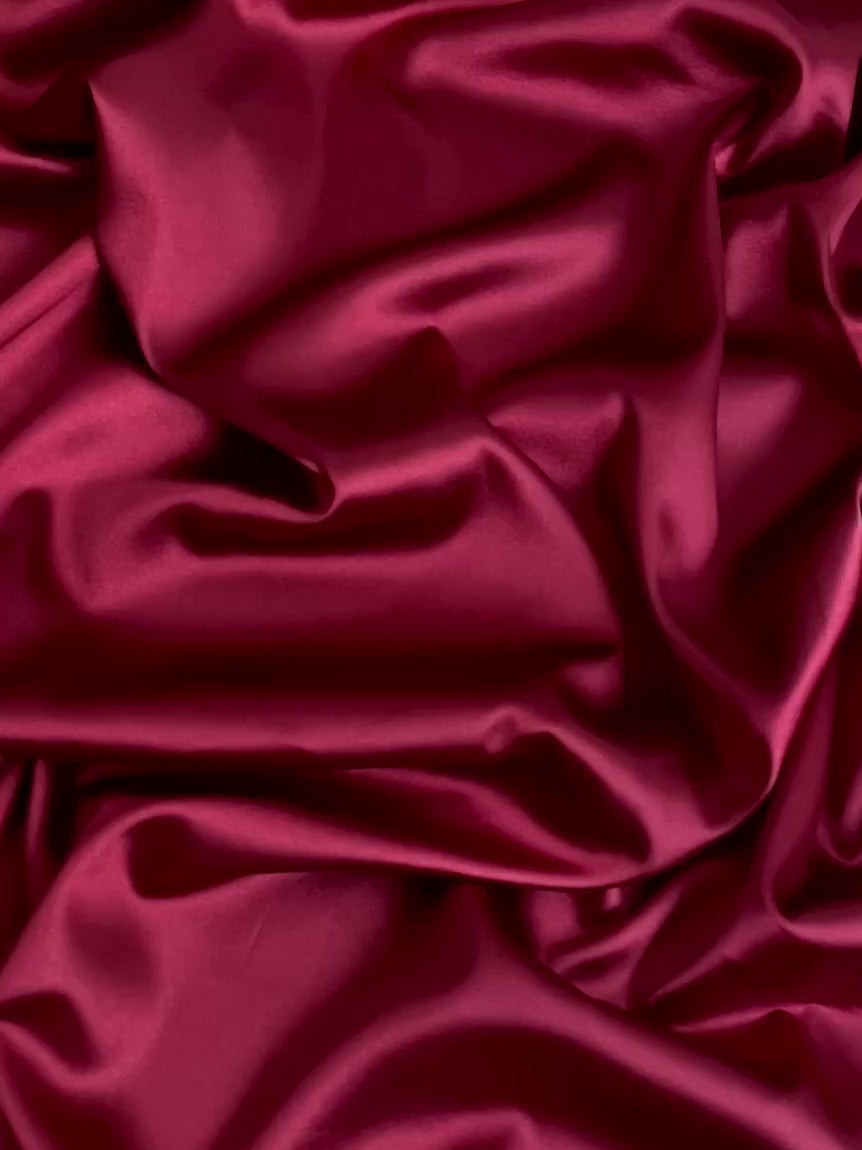
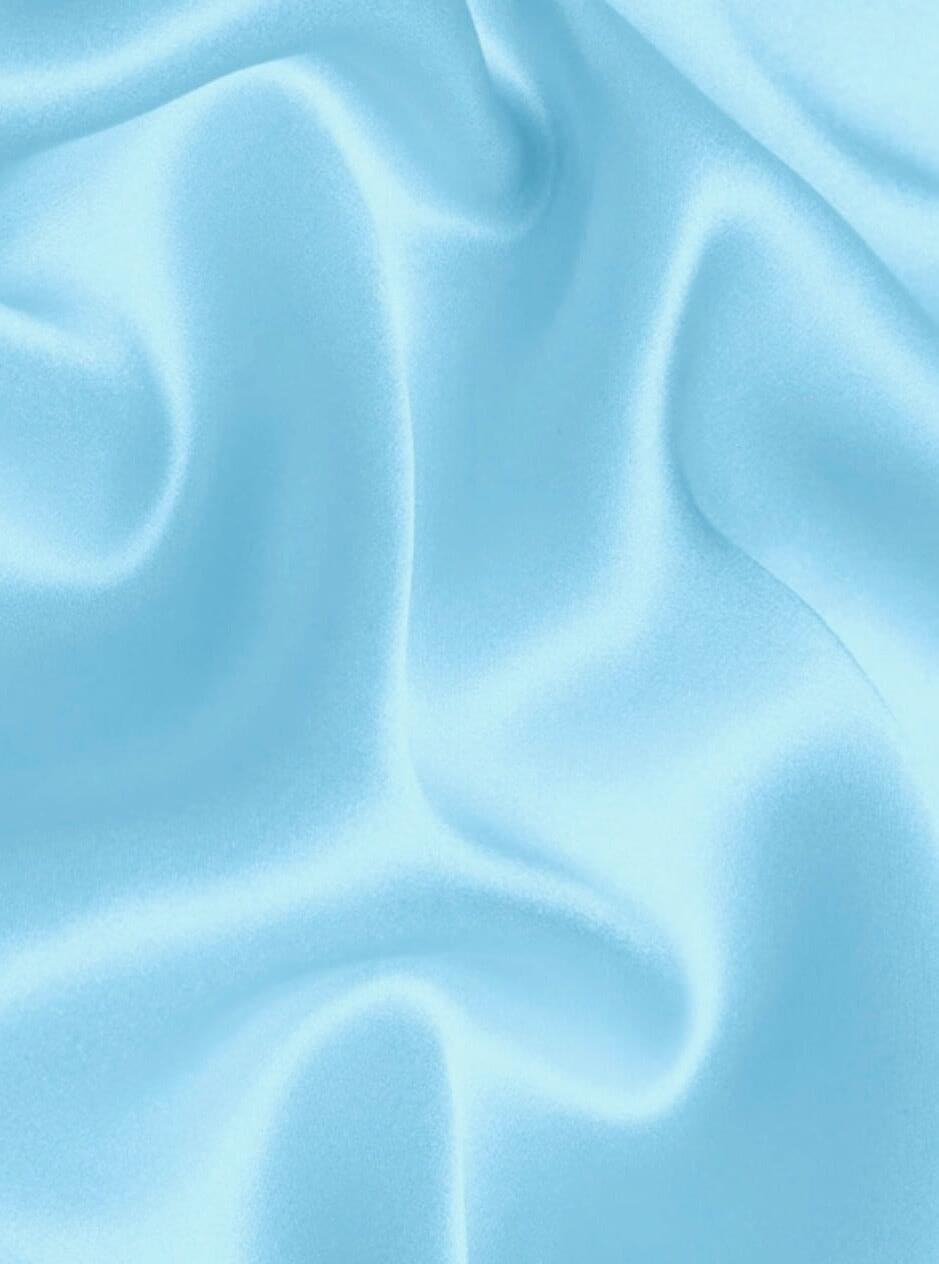
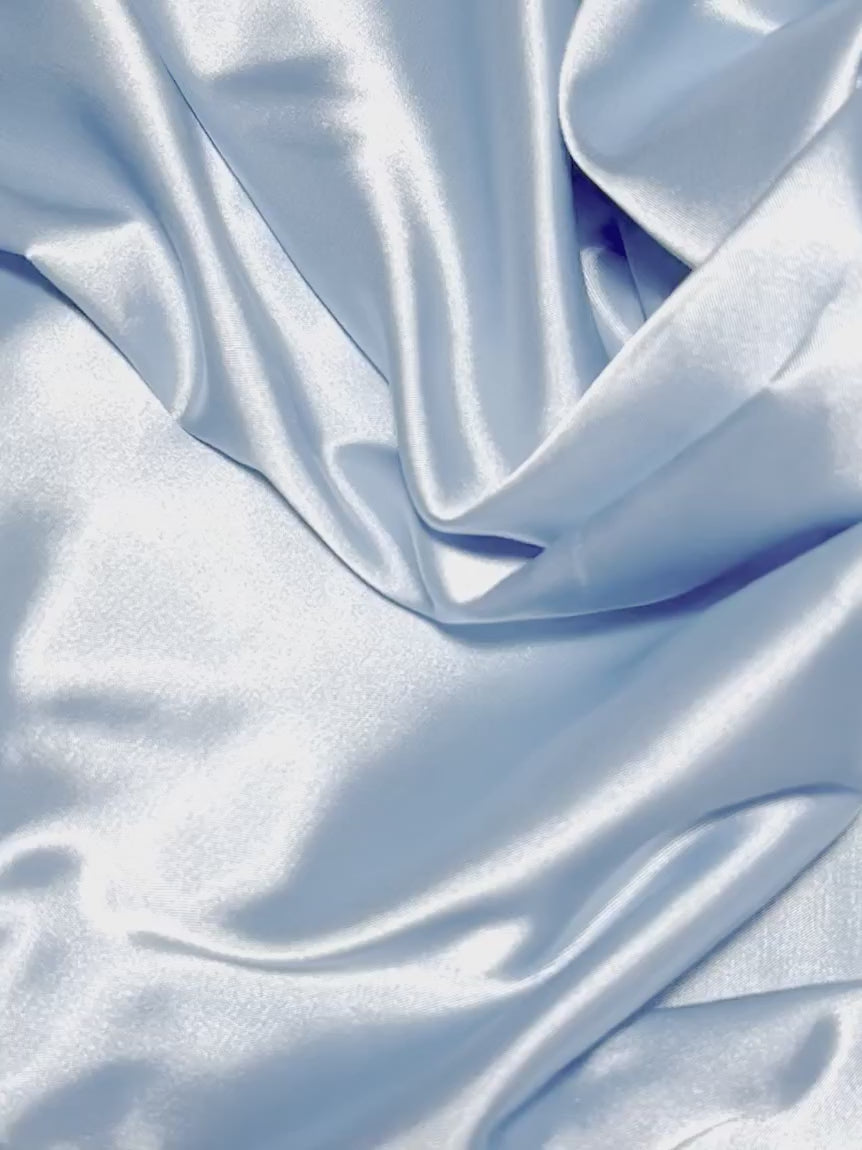
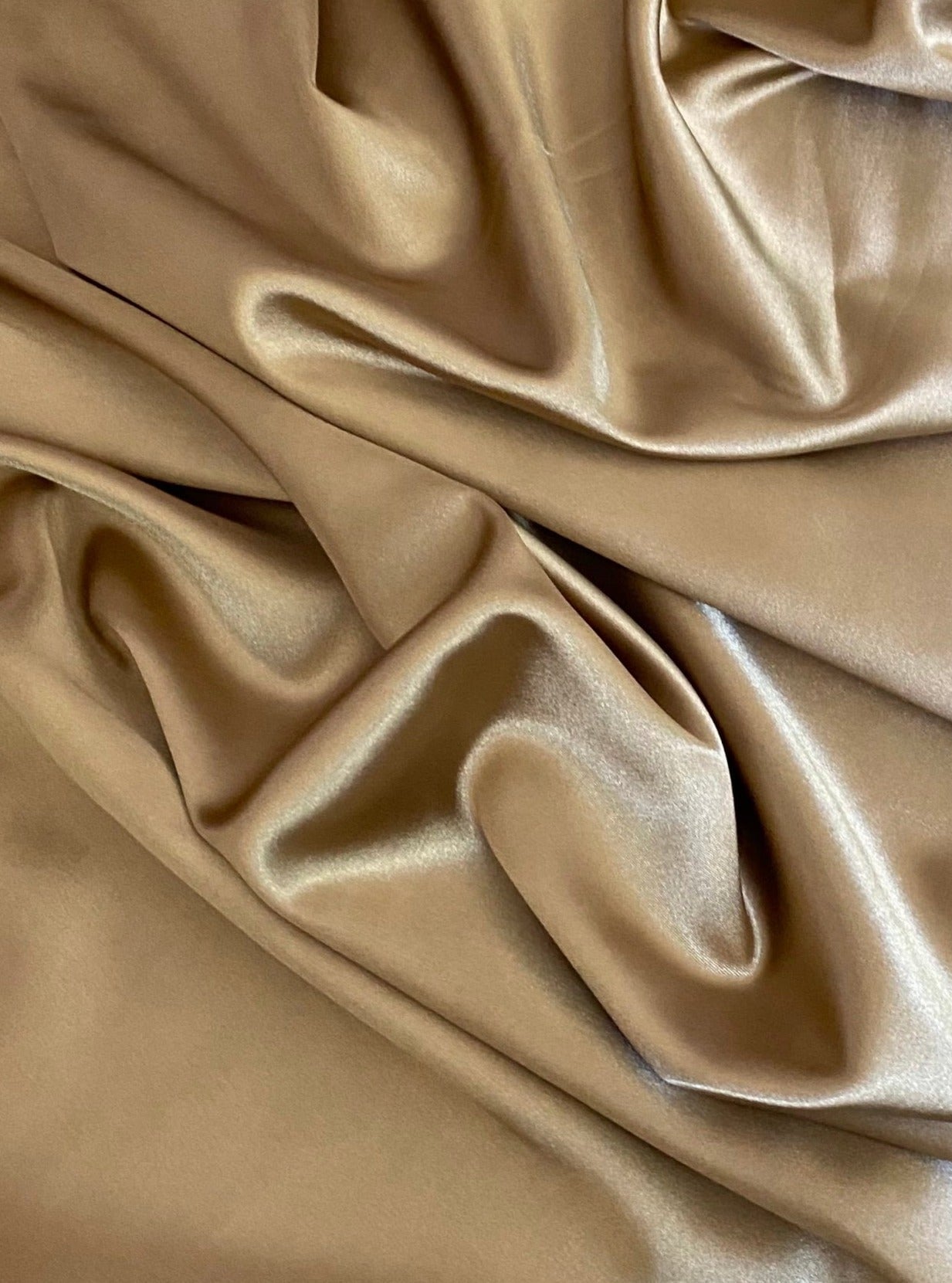
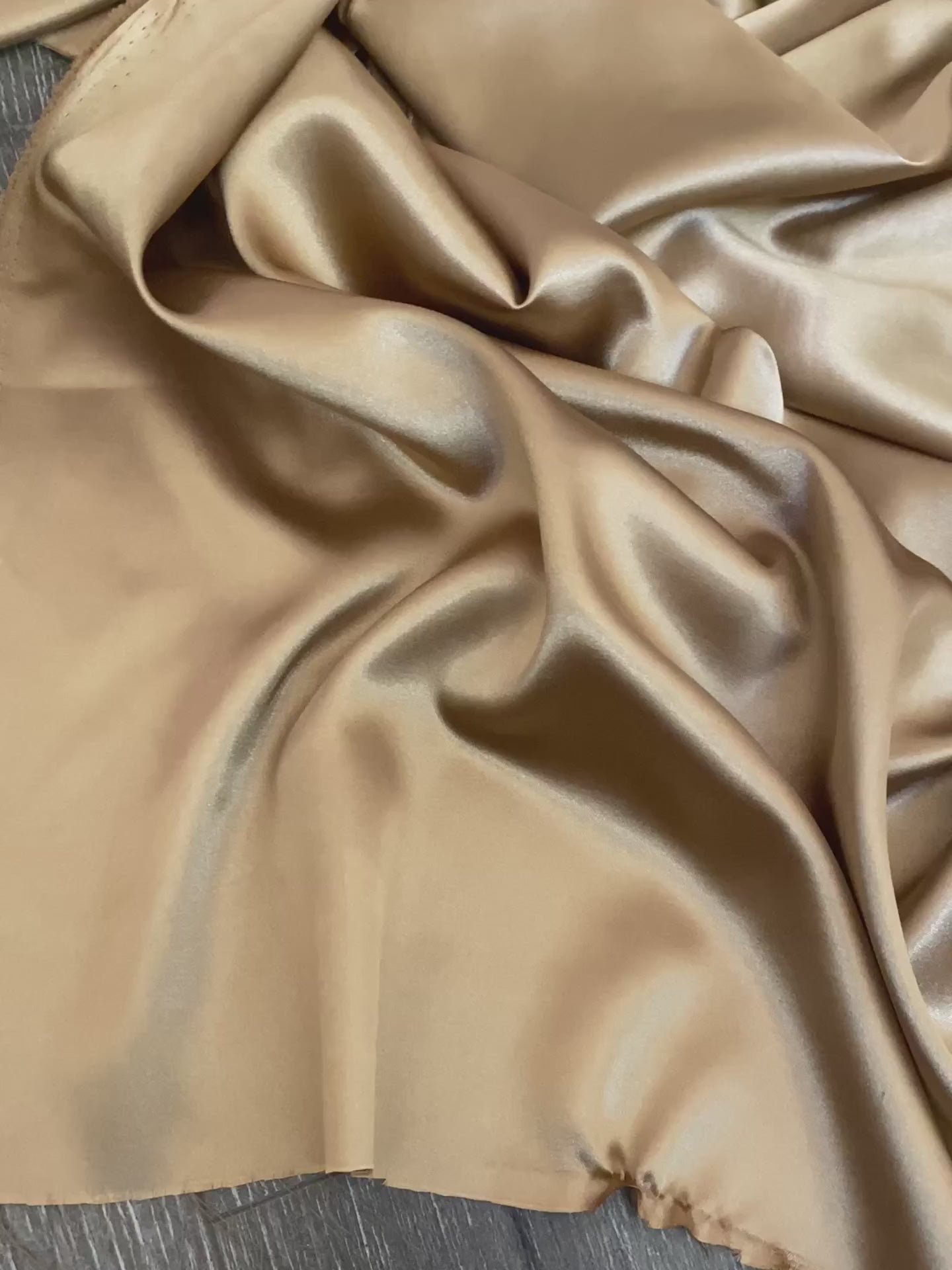
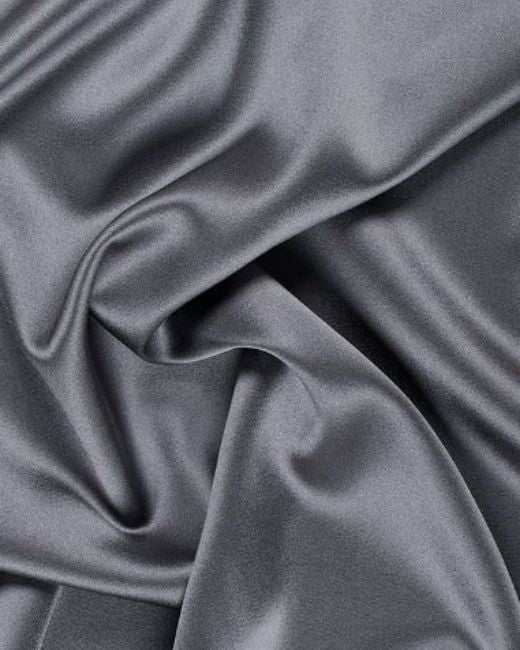

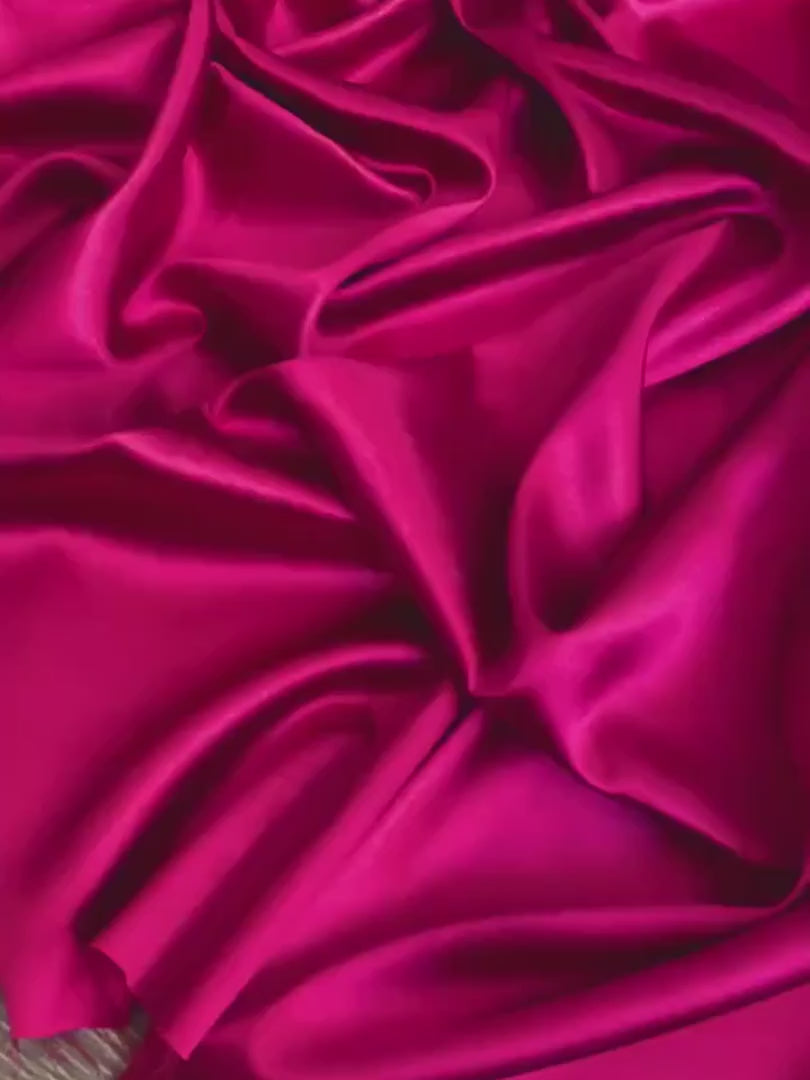
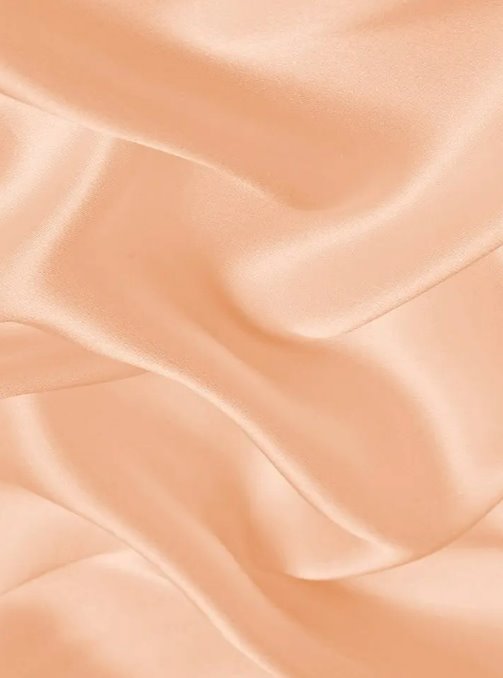
Design Shiny Apparel with High-quality Silk Fabric
Silk is a natural fiber. Producers collect silk from silkworm cocoons, then spin and weave it into cloth. The result is a textile that is known for softness, sheen, and strength.
Not all silk fabrics feel the same, though. Weight, weave, and finish change how a piece drapes and wears. Some silk material feels light and fluid. Other types feel dense and firm.
Most silk clothing fabric on the market today comes from mulberry silk. Silk clothing fabric is prized for its even fiber and consistent shine.
Silk fibers come from the cocoon of the silkworm, mainly the Bombyx mori moth. Farmers raise these silkworms on mulberry leaves. That is why the name of silk is mulberry silk.
Each cocoon holds one long thread. Workers unwind it, then twist several threads on one another to form a stronger yarn. That yarn gets woven or knitted into the fabric used for clothing, home decor, and accessories.
This process takes a long time and skill; that’s why silk usually costs more than synthetic fabric.
Characteristics of Silk Fabric
-
Softness: The silk fabric is smooth to the feel and gentle on the skin
-
Sheen: It gives a natural shine that shifts with light
-
Breathability: Silk is cool in summer and warmer in winter
-
Durability: The silk is a strong fiber that can hold up well with proper care
-
Stretch: Some types of silk, like stretch silk, move with the body
Types of Silk Fabric
Silk fabric comes in several weaves and blends, and each one suits a different project. Here is a quick look at the main types of silk fabric.
Silk Clothing Fabric
Silk clothing fabric covers a wide variety, from lightweight crepe to heavier satin weaves. It drapes well and feels good against the skin. Designers prefer it for dresses, blouses, and linings.
Silk Satin Fabric
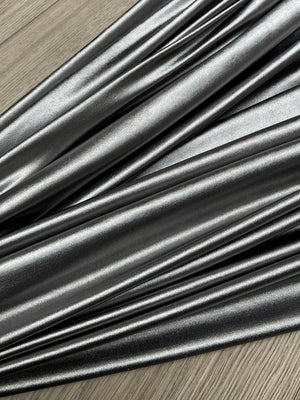
Silk satin has a glossy front and a matte back. The weave creates the classic shine you see on gowns and eveningwear. It is one of the most requested options for bridal design because of its glossy front and classic shine.
Mikado Fabric
Mikado fabric, sometimes called mikado cloth or fabric Mikado. Mikado fabric is a heavier, structured weave. It holds shape on its own, without stiff interfacing. It works well for dramatic silhouettes.
Stretch Silk Fabric
Stretch silk fabric blends silk with a small amount of spandex or a similar fiber. That blend gives a stretchy silk that moves with the body, without losing the look of real silk.
Stretch Silk Satin Fabric
Stretch silk satin fabric pairs the shine of satin with a bit of give. Stretch Silk Satin Fabric suits fitted dresses, bodices, and anything that needs to hug the body comfortably. You should take a look at our Ivory Silky Stretch Satin. It is a popular pick for bridal and eveningwear projects.
What Is Mikado Fabric?
Mikado is a tightly woven fabric that is known for its crisp hand and subtle texture.
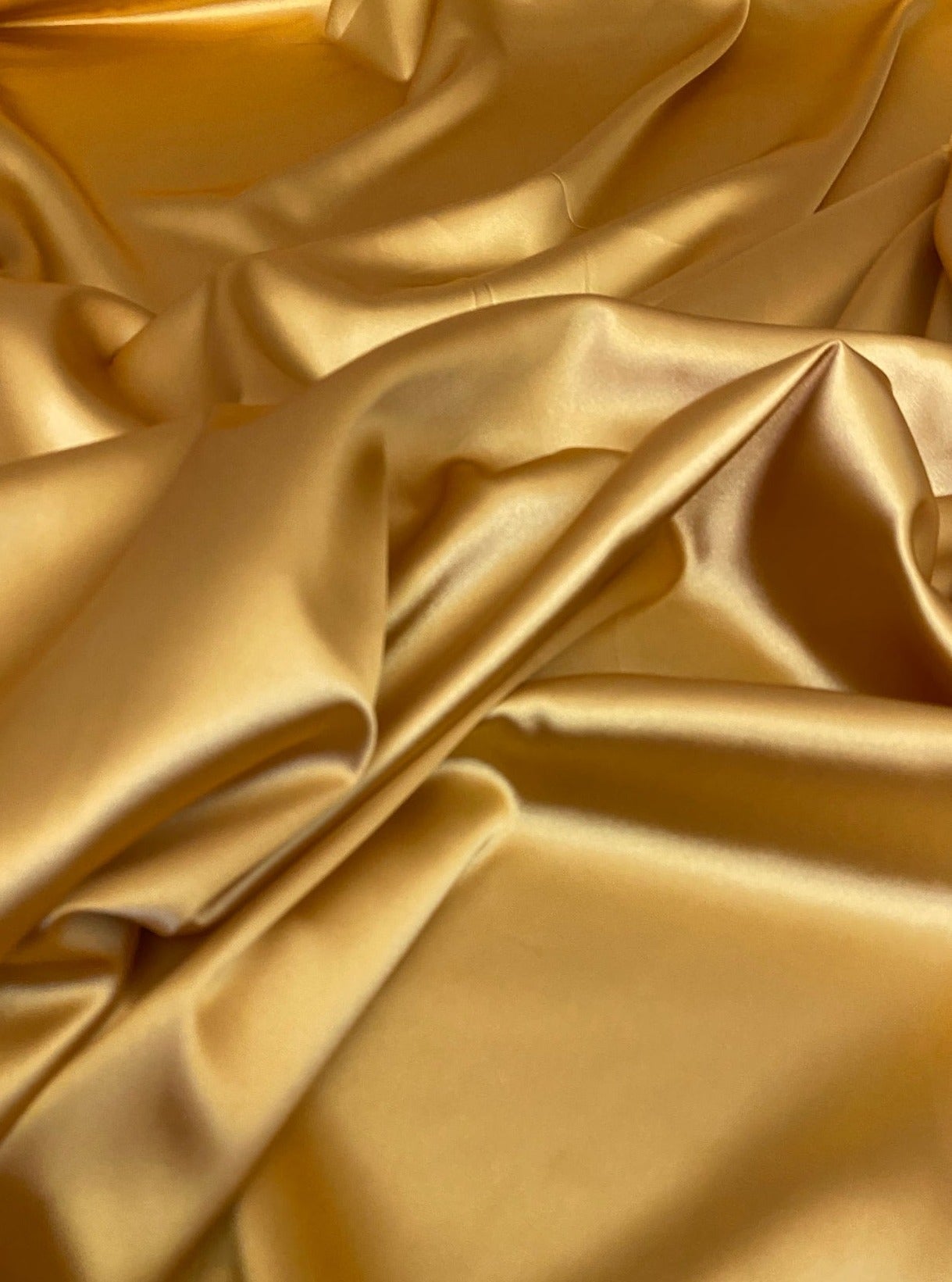
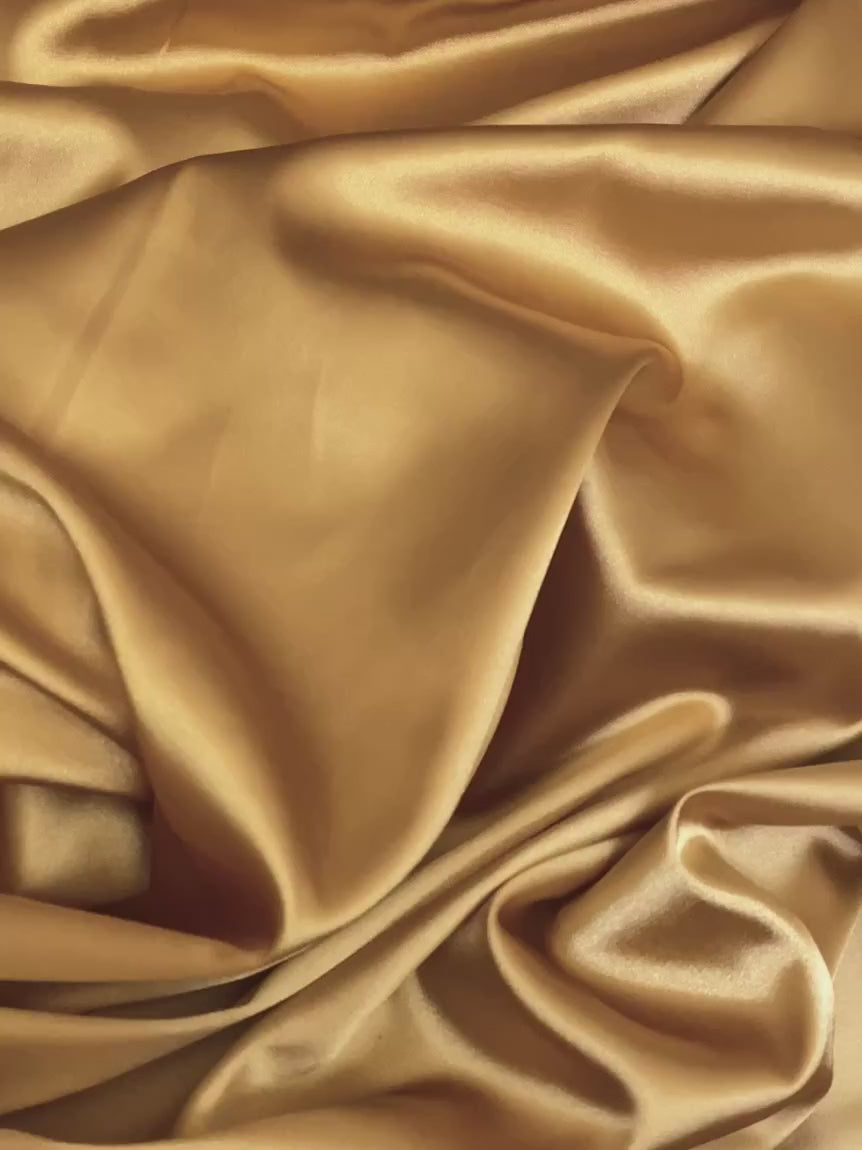
This weight makes it a go-to for structured gowns, blazers, and formal skirts. Mikado is worth trying if you are looking for a fabric that holds its shape on its own. Visit our Gold Mikado Fabric to see the weight and color range up close.
What Is Stretch Silk?
Stretch silk mixes silk with a stretch fiber, usually spandex, in a small percentage. Sewers use it for gowns with a close fit, since it moves with the body instead of pulling at the seams. It isn't the same as woven-only silk, so you must check the fiber content before you buy.
Silk Fabric vs Satin
People often use these terms as if they mean the same thing, but they don't. Satin is a weave and not a fiber. Silk can be woven in a satin weave, which is where silk satin comes from. A lot of "satin" on the market, though, is actually polyester.
What Is Silk Fabric Used For?
Fashion designers demand this fabric for dresses, bridalwear, and other apparel because it photographs well and moves beautifully on the body. Home sewers use it too, for pillowcases, linings, and small accessories, since it feels gentle against the skin.
Benefits of Silk Fabric
Many sewers pick silk for the comfort it offers. Silk fabric tends to feel cool against the skin in warm weather and can add warmth in cooler months. The natural sheen also photographs well. Due to these properties, it stays popular for bridal and event wear.
With gentle care, silk can hold up for years. It isn't the toughest fiber out there, so it does need a little more attention than cotton or polyester, but that trade-off is often worth it for the look and feel.
How to Choose High-Quality Silk Fabric?
-
Check the fiber content label for 100% silk or note the blend
-
Sense the weight because heavier weaves like mikado hold structure, while lighter ones drape
-
Look at the sheen of silk fabric; real silk has a soft, shifting shine rather than a flat, plastic look
-
Ask about the source of the silk fabric, since mulberry silk tends to be more consistent
-
If you are buying silk fabrics by the yard online, then you should order a swatch first
How Much Does Silk Fabric Cost?
Price depends on weave, weight, and finish. Lighter silk material usually costs less per yard than a structured weave like mikado. Stretch silk satin often sits in the middle, since it blends fiber types.
Expect to pay more for pure silk than for polyester blends made to imitate it. That price gap reflects the labor and fiber behind real silk fabrics by the yard.
Where to Buy Silk Fabric?
You can buy silk fabrics from specialty fabric shops or online stores that focus on bridal and eveningwear textiles.
If you are shopping online, it lets you compare options from home, and most stores ship swatches, so it will help you check color and hand before committing.
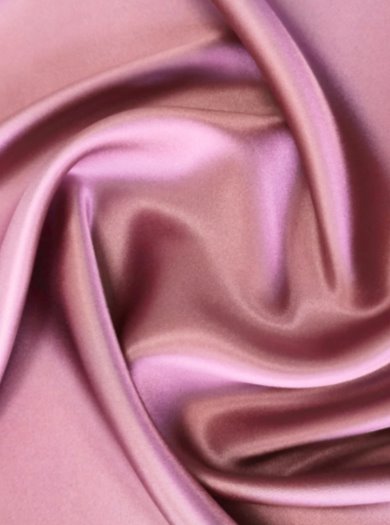
If you want a soft, fitted option, then you must take a look at our Blush Pink Silky Stretch Satin, which is worth a look.
Why Buy Silk Fabric From Kiki Textile?
Kiki Textile stocks a wide variety of options, from classic satin to stretch silk and mikado. Every yard ships with the weight and finish you would expect from quality silk material, so you're not guessing how it will drape.
We also keep the collection updated with new colors. When you're matching a specific palette for bridalwear or a dress project, the collection helps a lot.
FAQs
What is silk fabric called?
Silk fabric goes by several names depending on weave and finish, including silk satin, silk charmeuse, mikado, and habotai. The general term is simply called silk fabric or silk material.
Where can I buy 100% real silk?
Specialty fabric retailers and online silk-focused stores tend to be the most reliable places. You should look for a fiber content label that states 100% silk, since blends are sometimes advertised under similar names.
Is 100% silk expensive?
Generally, yes. Pure silk costs more than artificial alternatives because of the labor and fiber involved. The process of making pure silk takes a long time and skill; that’s why pure silk usually costs more than synthetic fabric.
How many types of silk fabric are there?
There are several types of silk fabric, including silk satin, mikado, stretch silk, charmeuse, chiffon, and habotai. Each type differs in weight, sheen, and stretch, so the right choice depends on your project.