






10 Sewing Tips Every Beginner Needs to Know ��
The things nobody tells you until you have already made the mistake.
Starting to sew is one of the most exciting things you can do — and also one of the most humbling. We have all been there. The seam that looked perfect until you turned it right side out. The fabric that shifted when you were sure you had it pinned. The moment you realized you forgot to backstitch and the whole thing is unraveling.
The good news is that almost every beginner mistake has a really simple fix. Here are the ten tips that will make your sewing life easier from day one. Keep this list somewhere you can find it.
1. �� Always Prewash Your Fabric
This is the one tip that every beginner learns the hard way at least once. Natural fabrics like cotton, linen, and rayon shrink the first time they are washed. If you cut and sew first and wash later you will end up with a finished piece that is suddenly two sizes too small and there is nothing sadder than that.
Wash your fabric before you cut it. Every time. Without exception. It only takes a few minutes and it saves you from a lot of heartbreak.
�� Quick tip: After washing, give your fabric a good press with the iron before cutting. It makes cutting much cleaner and more accurate.
2. �� Press Your Seams As You Go
If there is one habit that separates okay sewing from genuinely great sewing it is this one. Every time you sew a seam, stop and press it flat with the iron before moving on. Every single seam. Yes, even the inside ones nobody will see.
Pressed seams lie flat, make the next step easier, and give your finished pieces that clean professional look that is really hard to achieve any other way. Your iron is not just for the finished garment — it is a sewing tool that you should be reaching for constantly throughout the whole process.
♥️ The golden rule: Sew a seam. Press the seam. Move on. Sew a seam. Press the seam. Move on. Make this your rhythm and your sewing will improve almost immediately.
3. ✂️ Use Sharp Scissors and Keep Them for Fabric Only
Fabric scissors that have been used to cut paper, cardboard, tape, or literally anything else will become dull faster than you can imagine. And dull scissors on fabric is a miserable experience — the fabric frays, the cut is jagged, and every snip requires twice the effort.
Get a dedicated pair of fabric scissors and protect them with your life. Label them if you have to. Put them somewhere nobody else can find them. The difference between cutting with sharp fabric scissors and cutting with anything else is genuinely night and day.
✂️ Bonus tip: A rotary cutter and cutting mat are a fantastic investment for beginners. They make cutting straight lines much easier and more accurate than scissors alone.
4. �� Change Your Needle More Often Than You Think
A dull needle is behind more sewing problems than most people realize. Skipped stitches, snagged fabric, uneven tension — these are all classic signs of a needle that needs to be replaced. And needles dull much faster than you would expect.
Change your needle at the start of every new project, or every 8 to 10 hours of sewing time. Needles are cheap. The frustration of sewing with a dull one is not. And while you are at it, make sure you are using the right needle for your fabric — stretchy fabrics need a ballpoint needle, delicate fabrics need a fine sharp needle, and heavy fabrics need a stronger needle. The right needle for the right fabric makes everything easier.
5. �� Always Backstitch at the Start and End of Every Seam
Backstitching means sewing a few stitches forward, then a few stitches backward, then continuing forward again. You do this at the very start of every seam and at the very end. It locks the thread in place so the seam cannot unravel.
Forgetting to backstitch is one of the most common beginner mistakes and one of the most frustrating to discover after the fact. The fix is simple: every time you start a seam, backstitch. Every time you finish a seam, backstitch. Your machine almost certainly has a backstitch button and it takes about two seconds. Do not skip this step.
�� Watch out: If your seams keep coming undone after washing or wearing, forgotten backstitches are almost always the reason.
6. �� Cut Slowly and Accurately
Rushing the cutting stage is one of the easiest ways to create problems that are impossible to fix later. A seam that is a little off can be unpicked and resewn. A piece that was cut wrong is just wrong.
Take your time when cutting. Use a flat, stable surface. Keep your fabric from shifting by using weights or pins. Cut smooth, confident strokes rather than short choppy ones. And always double check your pattern pieces are placed correctly and on the right grain of the fabric before you cut a single thing.
�� Grain line matters: The grain line on a pattern piece should run parallel to the selvage edge of your fabric. Cutting on the wrong grain makes garments twist, pull, and hang incorrectly and there is nothing you can do to fix it afterward.
7. �� Do Not Skip the Seam Allowance
Your seam allowance is the space between your cut edge and your stitching line — usually about half an inch to five eighths of an inch. This space exists for a reason. It gives your seam strength, keeps the fabric from fraying into the stitch line, and allows you to press the seam open or to the side.
New sewists often sew right at the edge of the fabric thinking it looks neater. It does not — it makes the seam weak and prone to unraveling. Always follow the seam allowance marked on your pattern and use the guides on your machine's needle plate to keep a consistent distance from the edge.
8. �� Read the Whole Pattern Before You Start
We know. Nobody wants to do this. But reading through your entire pattern before cutting or sewing a single thing will save you so much confusion and frustration later. Patterns contain important information about cutting layout, fabric requirements, special techniques, and the order of construction — and discovering halfway through that you were supposed to do something three steps ago is genuinely one of the worst feelings in sewing.
It takes ten minutes to read a pattern. It can take hours to unpick a mistake that could have been avoided. Read the pattern. All of it. Before you start.
�� Helpful habit: Highlight or underline any steps that seem confusing or that you want to remember. Make notes on the pattern itself. Treat it like a recipe — read it fully before you start cooking.
9. �� Start With the Right Fabric
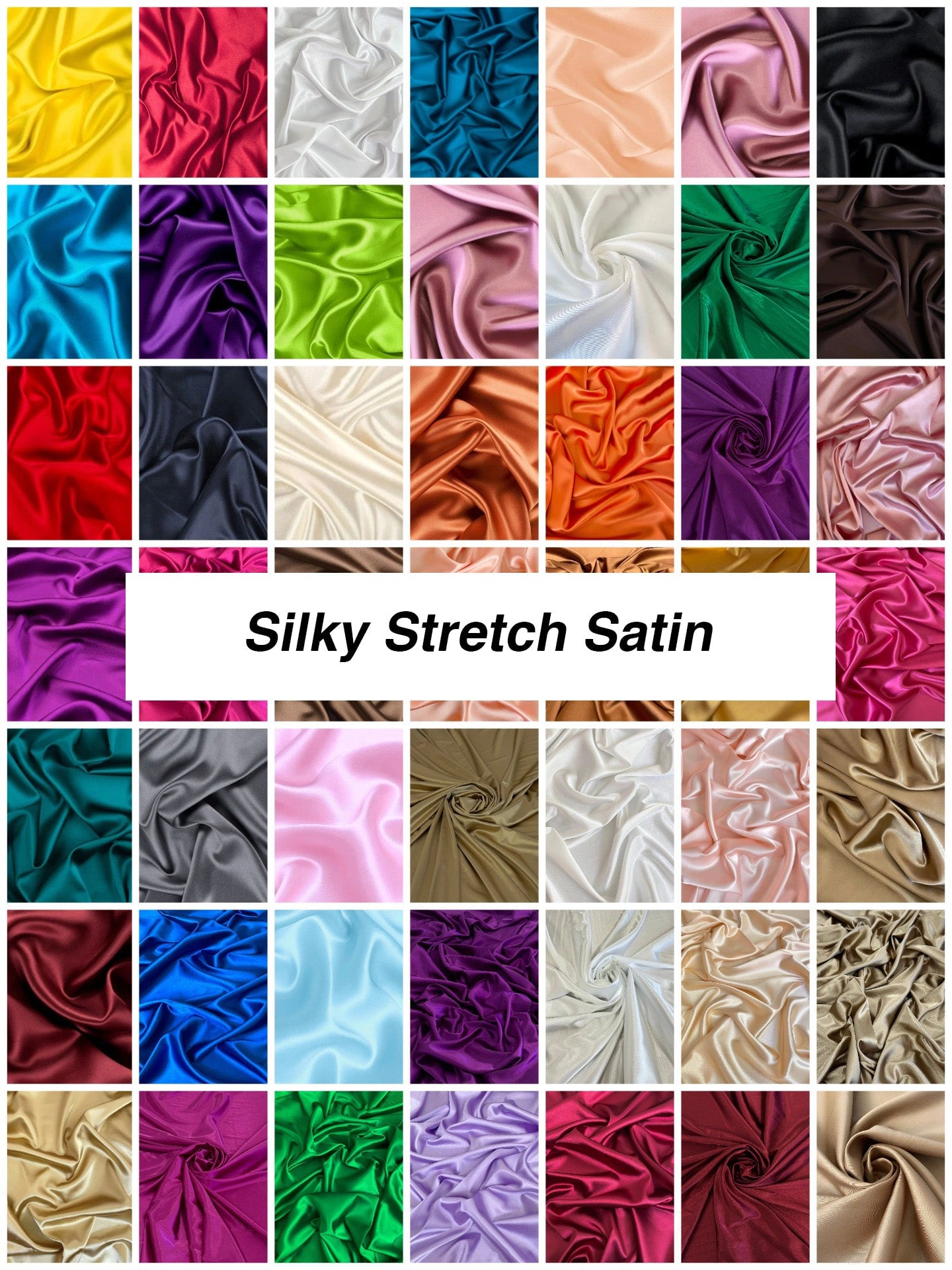
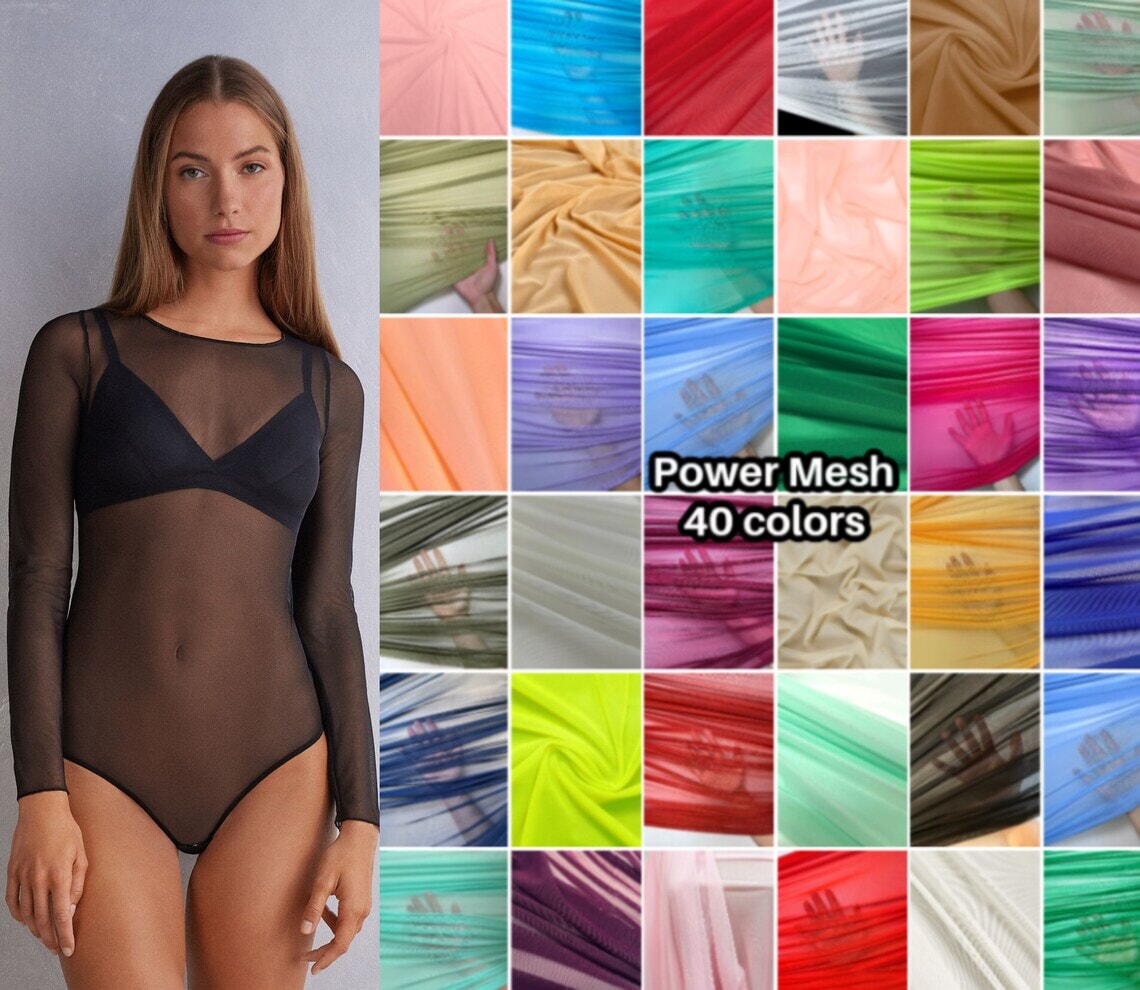
Not all fabrics are created equal when it comes to beginner friendliness — and starting with a difficult fabric is one of the most common reasons new sewists get frustrated and give up. Slippery silks, very sheer chiffons, and stretchy jersey all require a level of technique that takes time to develop.
For your first few projects, reach for fabrics that are stable, easy to cut, and forgiving with small mistakes. Our cotton collection, gabardine, linen blends, and poly poplin are all excellent places to start. They behave, they press beautifully, and they make beginner work look genuinely polished.
�� At Kiki Textiles: We have five free swatches with every order so you can feel the fabric before committing to a full project. One day shipping means you are never waiting long to get started.
10. �� Be Patient With Yourself
This is the most important tip on the whole list and the one that is easiest to forget when you are in the middle of a project that is not going the way you planned.
Sewing is a skill. Skills take time. Every sewist you admire — every person whose work makes your jaw drop — started exactly where you are right now. They made the same mistakes. They had the same frustrating moments. They unpicked seams and cut pieces wrong and used the wrong needle on the wrong fabric. And then they tried again.
The only difference between a beginner and an experienced sewist is time and practice. So be gentle with yourself. Celebrate the small wins. Laugh at the mistakes. And keep going. Because there genuinely is nothing more satisfying than wearing something you made with your own hands.
♥️ You have got this. Every great sewist started as a beginner. Every single one.
Happy sewing from all of us at Kiki Textiles. ��
We carry fabrics for every skill level with one day shipping, five free swatches with every order, and a collection curated by Project Runway finalist Victoria Cocieru. Whatever you are making we have the fabric for it.




Leave a comment