



The Beginner’s Guide to Sewing Machine Needles
Which needle to use for every fabric and how to stop breaking them.
The wrong needle is behind most skipped stitches, broken threads, and snapped needles and the fix is simpler than you think. Match your needle to your fabric every time and your whole sewing experience changes.
Quick Reference Chart
|
Needle Size |
Type |
Best For |
Kiki Textiles Examples |
|
60/8 – 70/10 |
Sharp / Microtex |
Lightweight sheers |
Chiffon, organza, tulle |
|
75/11 – 80/12 |
Universal / Sharp |
Everyday woven fabrics |
Cotton, linen, poplin, satin, rayon |
|
90/14 – 100/16 |
Universal / Denim |
Heavy structured fabrics |
Gabardine, denim, tweed, faux leather |
|
75/11 – 90/14 |
Ballpoint / Stretch |
All knits and stretch fabrics |
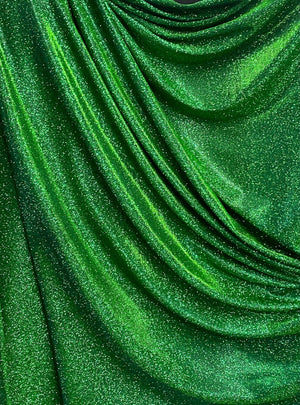
Spandex, lurex knit, jersey |
|
90/14 – 100/16 |
Denim / Leather |
Embellished specialty fabrics |
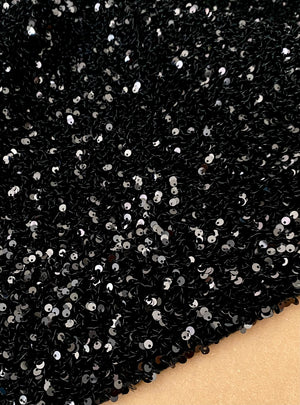
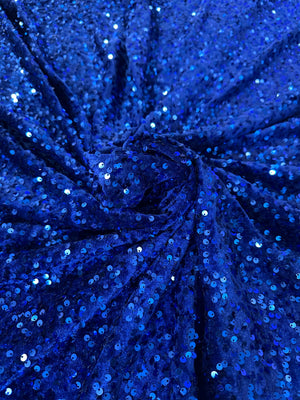
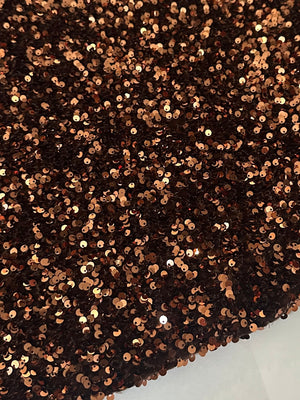
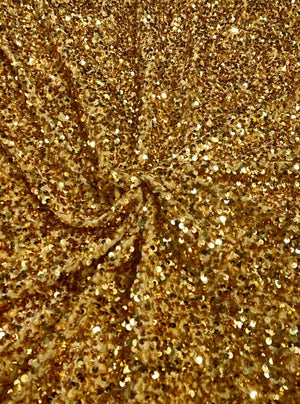
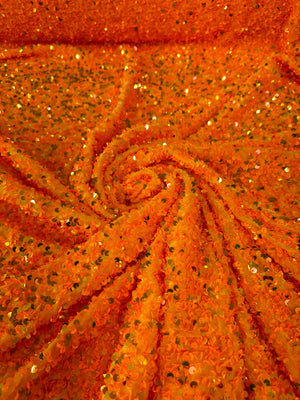
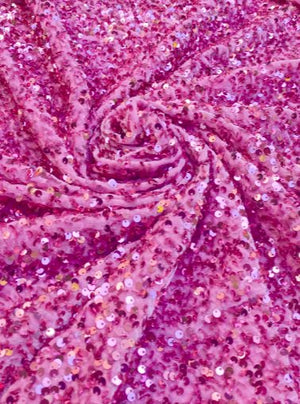
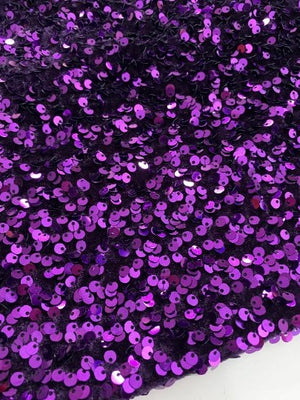
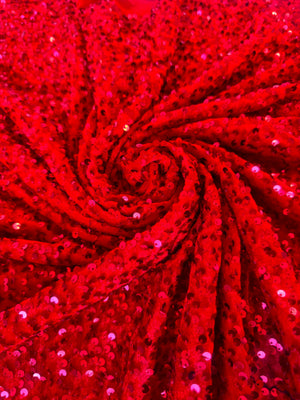
Sequin velvet, beaded lace |
Lightweight Fabrics — Size 60/8 to 70/10
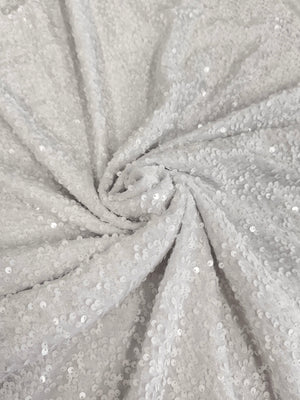
Delicate, sheer, and finely woven fabrics need a small, sharp needle that pierces cleanly without pulling or leaving visible holes. Use a 65/9 or 70/10 sharp or microtex needle for best results.
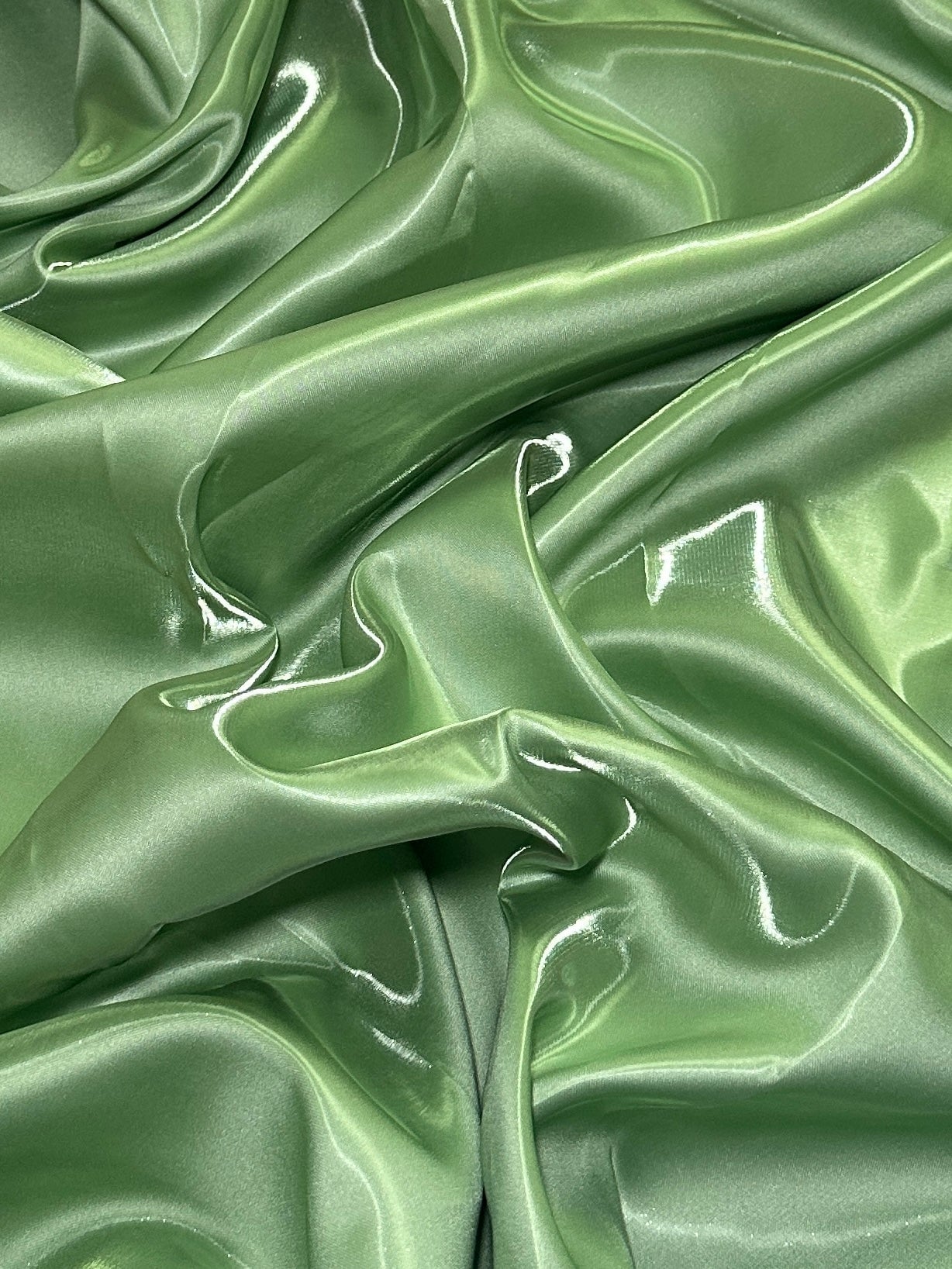
Fabrics: Chiffon and organza, tulle, Liquid Shimmery Chiffon, Liquid Shimmery Organza.
• Place tissue paper under sheer fabrics to stop them being pulled into the feed dogs
• Slow your machine right down, lightweight fabrics reward patience
Medium Weight Fabrics — Size 75/11 to 80/12
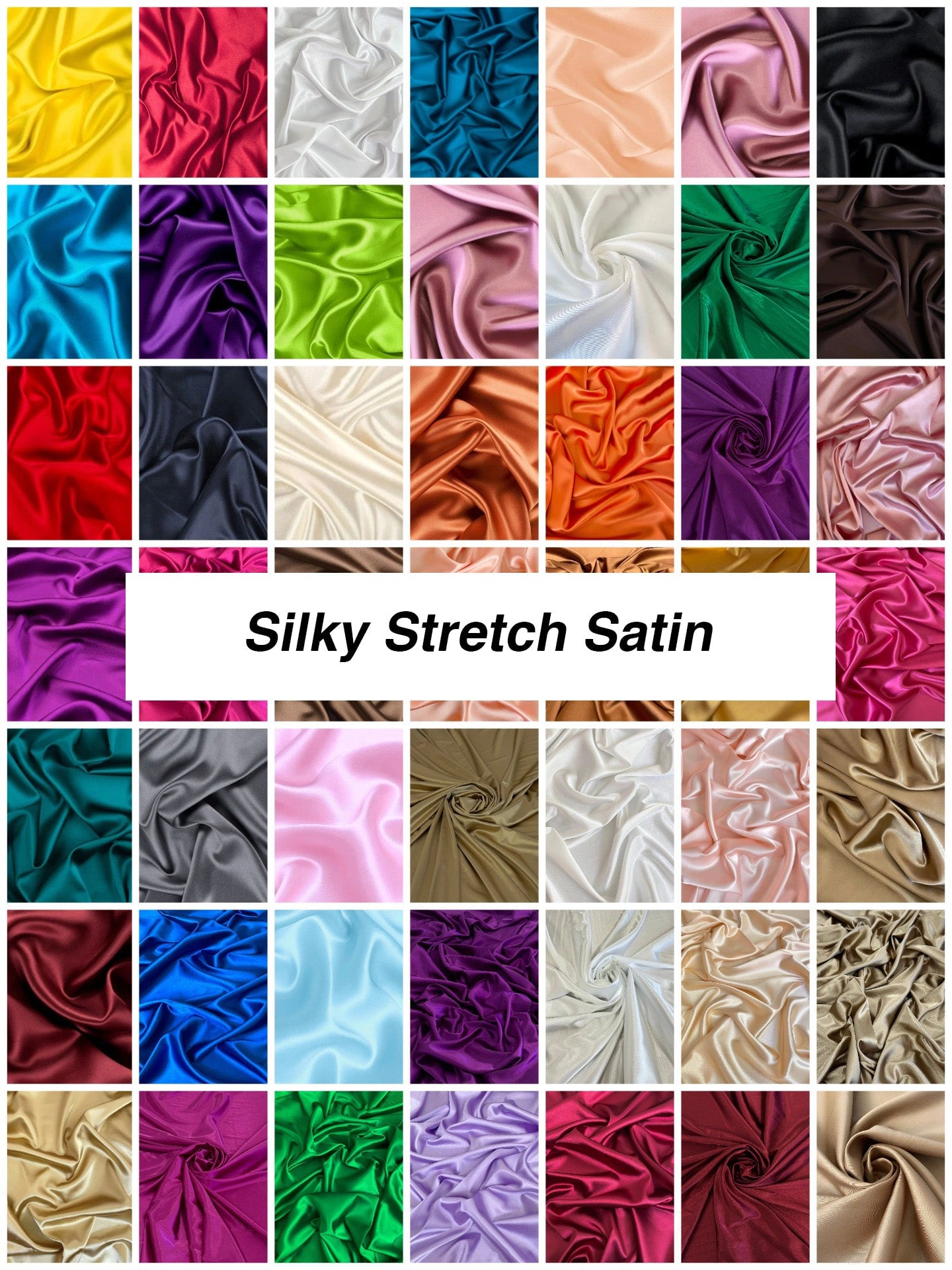
The most beginner-friendly category is a standard 80/12 universal needle handles most everyday woven fabrics beautifully. For satin and rayon, step down to a 75/11 microtex for the cleanest stitch.
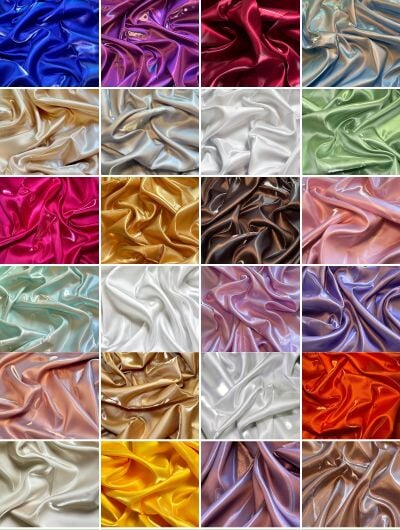
Fabrics: Cotton, linen, poly poplin, rayon, liquid bridal satin, printed satin.
• Change your needle every 8–10 hours of sewing. Dull needles cause skipped stitches even on easy fabrics
• Press seams as you go for the cleanest, most professional finish
Heavy Weight Fabrics — Size 90/14 to 100/16
Dense and structured fabrics need a stronger needle that pushes through without bending or breaking. Use a 90/14 universal for gabardine and tweed, a 90/14 to 100/16 denim needle for denim, and a leather needle for faux leather and suede.
Fabrics: Gabardine, denim, tweed, faux leather, velvet.
• Use a walking foot for thick layered fabrics to prevent uneven feeding
• Slow down at thick corner seams and use the handwheel for the thickest point
Stretch and Knit Fabrics — Ballpoint or Stretch Needle 75/11 to 90/14
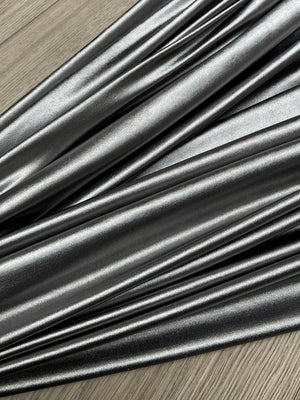
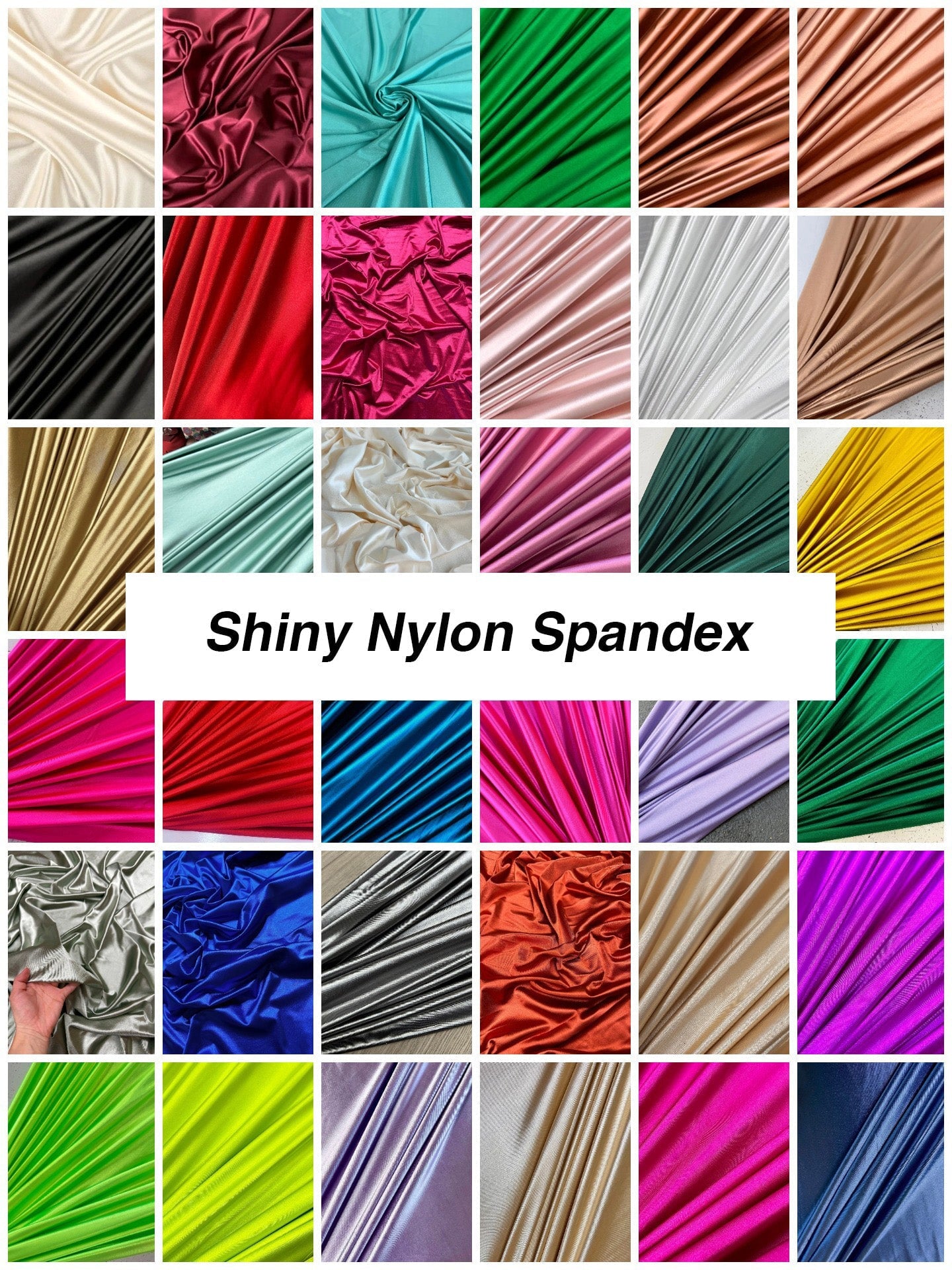
Never use a sharp needle on stretch or knit fabrics as it pierces and breaks the fiber loops causing runs and holes. A ballpoint needle slides between the fibers and a stretch needle prevents skipped stitches in highly elastic fabrics. Use a 75/11 stretch needle for most spandex.
Fabrics: Shiny nylon spandex, yoga spandex, printed nylon spandex, metallic lurex knit.
• Use a zigzag or stretch stitch, not a straight stitch, so your seams move with the fabric
• Guide the fabric gently. Never pull it through the machine
Specialty Fabrics — Beaded, Sequined, and Embellished
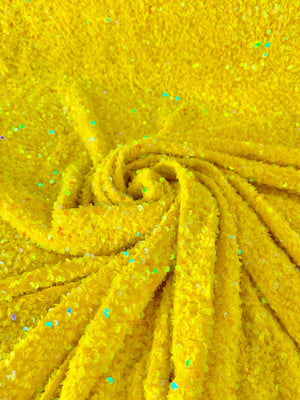
Our sequin on velvet, beaded lace, and embroidered tulle are stunning to sew with — and they need a little extra preparation to protect your needle and your machine.
The most important rule: Clear your seam allowance first
Before sewing a single stitch on any embellished fabric, remove all beads, sequins, and embellishments from the seam allowance. On sequin velvet, carefully pick sequins off with a seam ripper. On beaded lace, snip the threads holding beads in the seam area and remove them. This takes just a few minutes and eliminates most needle breakage on specialty fabrics.
• Use a 90/14 or 100/16 denim needle for sequin on velvet
• Use a 75/11 to 80/12 microtex needle for beaded lace and embroidered tulle after clearing the seam allowance
• Sew slowly and keep spare needles at your machine — always
• Use a zipper foot for better clearance over remaining embellishments
Quick Tips to Stop Breaking Needles
• Change your needle every 8–10 hours of sewing or at the start of every new project
• Never pull fabric through the machine, let the feed dogs do the work
• Match thread weight to needle size. The thread should pass through the eye with just a little ease
• Slow to the lowest speed at thick seams and corners and use the handwheel through the thickest point
• When in doubt go up a needle size, a needle that is slightly too large causes far less damage than one that is too small
Small needle. Big difference. Keep a variety on hand, change them regularly, and match them to your fabric every time.
At Kiki Textiles we carry fabrics for every skill level with one day shipping, five free swatches with every order, and a collection curated by Project Runway finalist Victoria Cocieru.




Leave a comment