


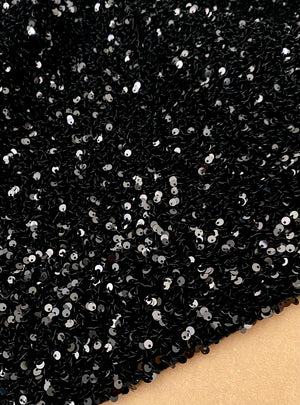
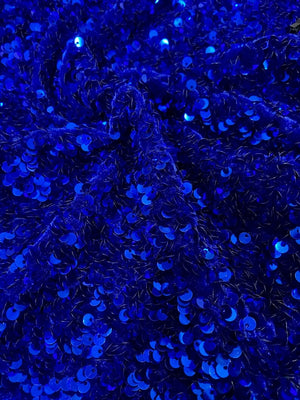
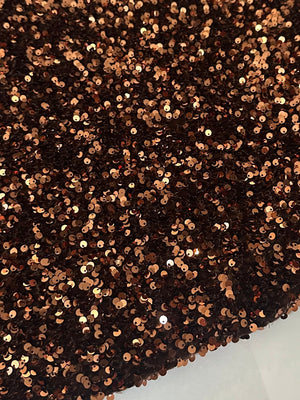
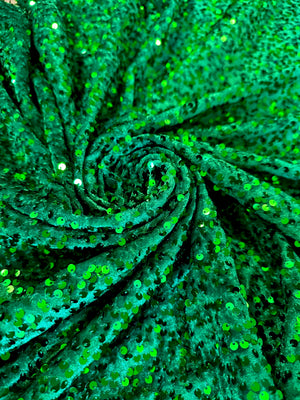


Understanding Velvet Nap: Direction, Color Shading & Pattern Layout
Velvet nap is the direction in which velvet’s pile fibers lie. Stroke velvet one way and it feels smooth; stroke it the other way and it feels rough. Because the pile reflects light differently in each direction, nap changes how dark or shiny velvet looks, so every pattern piece must be cut facing the same way.
Nap is one of the most common reasons velvet sewing projects go wrong, and one of the easiest to fix once you understand it. It’s one of the core velvet properties covered in the complete guide to velvet fabric types, and this guide goes deeper into identifying, cutting and sewing with it.
What Is Velvet Nap and Why Does It Matter?
Velvet nap is the slant of the velvet pile, the short upright fibers that cover the fabric’s surface. The pile never stands perfectly straight. It leans slightly in one direction along the length of the fabric.
That lean matters because of light reflection:
- Pile running up (toward the top of the garment) absorbs more light, so velvet looks darker and richer.
- Pile running down reflects more light, so velvet looks lighter and shinier.
If one panel of a dress is cut pile up and the next pile down, the two can look like different shades of the same color, even though they came from the same fabric.
What Does Nap Mean in Sewing and Fabric Construction?
In sewing, nap means any fabric surface texture that looks or feels different depending on direction. Strictly speaking, velvet has pile, which is woven or knitted into the fabric, while “nap” originally described fibers brushed up from the surface, like flannel or fleece. Today, sewers and sewing patterns use “nap” for both.
Fabrics with nap need a one-way fabric layout, which is why patterns often list separate fabric yardage for “with nap” and “without nap.”

How to Identify Nap Direction in Velvet Fabric
Identify velvet nap direction by touch first, then by sight.
- Stroke the fabric: Along the selvage edge, parallel to the grainline. The direction that feels smooth is “with the nap,” and the direction that feels rough is “against the nap.”
- Check the shading: Hold the fabric up and look at it from both ends. The darker end is the pile running up toward you.
- Mark it: Chalk arrows on the wrong side, pointing in the smooth direction, every 30 cm (12 in) or so.
Mark the nap before cutting, especially on dark velvets, where the difference is harder to feel than to see.
What Does With Nap Mean in Sewing and Pattern Layout?
“With nap” means a cutting layout where all pattern pieces face the same direction, with their tops pointing the same way along the fabric. This keeps the pile direction and color shading identical across the whole garment.
In a with-nap pattern layout, you can’t rotate pieces head-to-toe to save fabric. That’s why with-nap layouts usually need more fabric yardage. A University of Idaho Extension guide to sewing pile fabrics notes that sewers often cut short-pile fabrics like velvet and velveteen with the pile running up for a richer color.
How to Cut Velvet Fabric Without Changing Its Nap Direction
Cut velvet in a single layer, face down, with every pattern piece pointing the same way.
- Use single-layer cutting: Folded velvet shifts as the pile layers slide against each other. If you must fold, fold lengthwise so both layers’ nap runs the same way.
- Align the grainline: Place each piece’s grainline arrow parallel to the selvage, with its top edge toward the same end.
- Cut duplicates separately: Trace pieces like sleeves, then flip the pattern over for the second sleeve, keeping its top facing the same way.
- Use sharp shears or a rotary cutter: Then shake off loose pile before sewing.
- Plan pattern matching: If the velvet is printed or embossed, so motifs line up at seams.
How to Sew Velvet Fabric While Maintaining Its Pile and Texture
Sew velvet in the direction of the nap, and keep the pile from being crushed at every step.
- Use a walking foot: To stop the layers creeping against each other.
- Pin or clip inside the seam allowance: Only, or hand-baste long seams.
- Stitch with the nap: (smoothing direction) wherever possible.
- Choose the right needle and stitch: A sharp or universal needle and straight stitch suit woven velvet, while knitted four-way stretch velvet in polyester and spandex needs a stretch needle and a narrow zigzag or serger.
- Steam, don’t press: Hold the iron above the wrong side, and lay the velvet face down on a needle board, a velvet scrap or a thick towel.

Fabrics With Nap: Velvet, Velveteen, Corduroy, and Other Examples
Any fabric with a raised or brushed surface has a nap. Common fabrics with nap include:
- Velvet: Dense, short pile with a strong sheen and the most noticeable color shading.
- Velveteen: Shorter, firmer cotton pile, with less shading than velvet.
- Corduroy fabric: Pile in raised ribs (wales), which still shades by direction.
- Panne velvet: Pile pressed flat in one direction, giving a strong one-way shine.
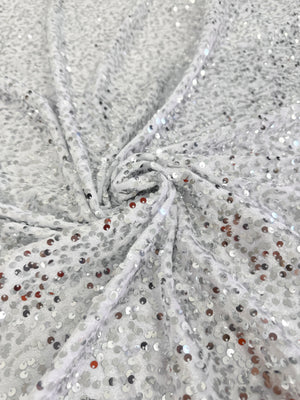
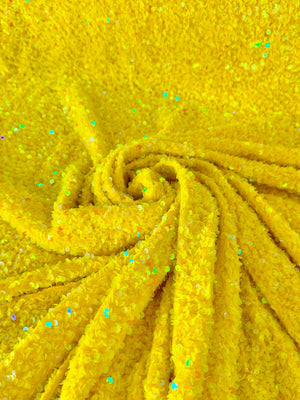
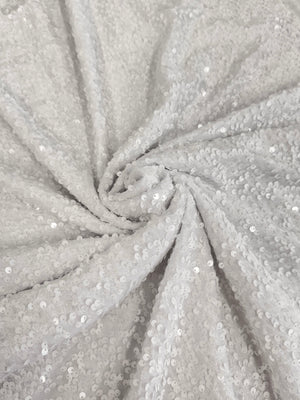
- Crushed velvet: Pile set in random directions, so shading is less obvious. Crushed velvet fabric in shimmering shades is often the most forgiving velvet for first projects, though a with-nap layout is still the safest choice.
- Others: Faux fur, fleece, suede, flannel and satin.
FAQs
Why does velvet fabric look like different shades from different angles?
Velvet’s pile leans in one direction. When light hits the pile from the tips, it’s absorbed and velvet looks darker. When light hits the sides of the fibers, more is reflected and velvet looks lighter and shinier.
Does velvet nap affect the final color of a finished garment?
Yes. Pile running up makes a garment look deeper and richer, while pile running down makes it look lighter. Mixing directions can make panels look mismatched.
Should all velvet pattern pieces face the same direction?
Yes. Use a with-nap layout so every piece points the same way. This keeps the color consistent across the whole garment.
How much extra fabric is needed when working with a velvet nap?
Follow the “with nap” yardage on your pattern envelope. If the pattern only gives one figure, buying about 0.3–0.7 m (3/8–3/4 yd) extra is a common rule of thumb.
Can you iron velvet without damaging its pile?
Yes, if you steam rather than press. Hold the iron just above the wrong side, use a needle board or towel underneath, and never press velvet flat on the right side.
What happens if velvet fabric is cut against the nap?
Cutting the whole garment against the nap is fine, as long as every piece matches. Problems appear when some pieces are cut with the nap and others against it, which creates visible shade differences.
How do you prevent velvet from shifting while sewing?
Use a walking foot, hand-baste or clip seams, and sew in the direction of the nap. Cutting in a single layer also reduces shifting.
Does velvet nap change after washing or repeated wear?
Velvet nap can flatten or shift with heavy wear, pressure or heat, especially at elbows and seats. Steaming and gently brushing in the nap direction usually restores the pile.



Leave a comment